कंप्यूट मांग से आकार लेता एक फंडिंग सौदा
Ars Technica ने Bloomberg के हवाले से बताया है कि Google Anthropic में कम से कम 10 अरब डॉलर निवेश करने की योजना बना रहा है, और यदि एआई कंपनी निर्धारित प्रदर्शन लक्ष्यों को हासिल कर लेती है तो कुल निवेश 40 अरब डॉलर तक पहुंच सकता है। यह व्यवस्था Amazon के Anthropic में कुछ ही दिन पहले किए गए अलग 5 अरब डॉलर के शुरुआती निवेश के बाद आई है, और दोनों सौदे कंपनी का मूल्यांकन 350 अरब डॉलर पर रखते हैं।
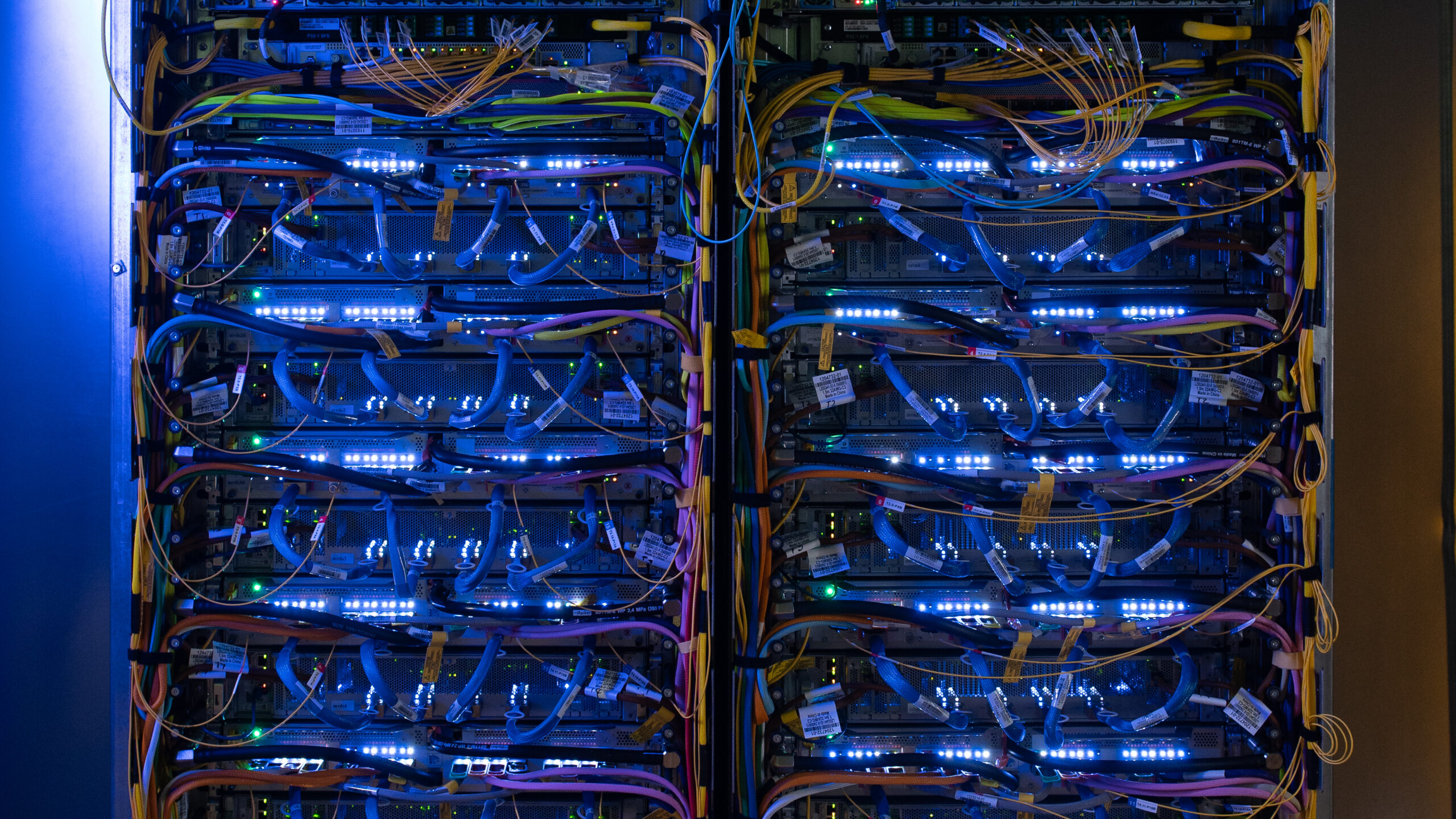
शीर्षक राशि बड़ी है, लेकिन रणनीतिक तर्क जाना-पहचाना है। मौजूदा एआई बाजार में पैसा सिर्फ पैसा नहीं है। यह चिप्स, क्लाउड क्षमता, और तेजी से लोकप्रिय होते मॉडलों को प्रशिक्षित और सेवा देने के लिए आवश्यक बुनियादी ढांचे के साथ दीर्घकालिक संबंध सुरक्षित करने का तरीका भी है। Anthropic के उभार ने ऐसी मांग पैदा की है जो उसके उपलब्ध कंप्यूट से आगे निकलती दिख रही है, और Google तथा Amazon दोनों के पास उस अंतर में बेचने के लिए कुछ महत्वपूर्ण है।
Anthropic के Claude मॉडल और उससे जुड़े उत्पाद, जिनमें Claude Code भी शामिल है, तेज़ी से बढ़े हैं। Ars का कहना है कि Claude Code को सॉफ्टवेयर विकास को तेज करने के तरीके के रूप में पेश किया गया है, हालांकि परिणाम परियोजना और संगठनात्मक संदर्भ के अनुसार बदलते रहते हैं। व्यावहारिक भिन्नताओं के बावजूद, ग्राहक मांग इतनी मजबूत दिखती है कि रिपोर्ट के अनुसार Anthropic को आउटेज और अन्य आपूर्ति-पक्ष की बाधाओं का सामना करना पड़ा है।
क्लाउड दिग्गज अपने ही भविष्य के ग्राहकों को वित्तपोषित कर रहे हैं
सौदे की संरचना एआई अर्थव्यवस्था के एक परिभाषित पैटर्न को उजागर करती है। बड़े प्लेटफॉर्म कंपनियां मॉडल डेवलपर्स में निवेश करती हैं, फिर उन डेवलपर्स को स्केल करने के लिए आवश्यक कंप्यूटिंग हार्डवेयर और क्लाउड सेवाएं प्रदान करती हैं। स्टार्टअप को पूंजी और बुनियादी ढांचे तक पहुंच मिलती है। प्लेटफॉर्म को एक बड़ा ग्राहक और अधिक घनिष्ठ रणनीतिक तालमेल मिलता है।
Google और Amazon दोनों एआई प्रशिक्षण और इनफरेंस के लिए उपयुक्त चिप्स, साथ ही Anthropic को विस्तार करने में मदद करने वाली क्लाउड कंप्यूट क्षमता, उपलब्ध करा रहे हैं। इसका मतलब यह भी है कि निवेश निवेशकों की अपनी ही पारिस्थितिकियों में विशाल बुनियादी ढांचा खर्च वापस मोड़ने का एक रास्ता है। निष्क्रिय वित्तीय हिस्सेदारी के बजाय, यह मांग पर आधारित एक ऊर्ध्वाधर रूप से जुड़ा दांव है।
यह अभी विशेष रूप से प्रासंगिक है क्योंकि उन्नत एआई प्रणालियों की मांग अब उपयोगकर्ता रुचि से कम और उपलब्ध कंप्यूट से अधिक सीमित हो रही है। रिपोर्टों के अनुसार Anthropic दबाव कम करने के तरीके आजमा रहा है, जिसमें व्यस्त समय में सीमाएं लगाना और संभवतः सस्ते सेवा प्लान से कुछ सबसे अधिक कंप्यूट-गहन टूल हटाना शामिल है। यह किसी ऐसे कंपनी के कदम नहीं हैं जो उपयोग के मामले खोजने में संघर्ष कर रही हो। यह किसी ऐसी कंपनी के कदम हैं जो दुर्लभ क्षमता को राशन कर रही हो।
Google की अपनी निवेशित पहुंच को गहरा करने की इच्छा, भले ही वह foundation models में Anthropic से प्रतिस्पर्धा कर रहा हो, यह दर्शाती है कि कैसे बुनियादी ढांचे की अर्थव्यवस्था प्रतिस्पर्धात्मक रेखाओं को धुंधला कर सकती है। एआई में, एक प्रतिद्वंद्वी मॉडल कंपनी भी आकर्षक ग्राहक हो सकती है यदि बुनियादी ढांचे का बिल पर्याप्त बड़ा हो।

Anthropic इतना मूल्यवान क्यों बन गया है
Ars Anthropic की हालिया गति को कई कारणों से जोड़ता है, जिनमें OpenAI और ChatGPT को लेकर विवाद, अधिक मजबूत agentic workflows, और सामान्य ज्ञान कार्य के लिए Claude Cowork जैसे उत्पाद जोड़ शामिल हैं। Claude Code के साथ मिलकर, इन पेशकशों ने Anthropic की पहुंच को एक संकीर्ण एंटरप्राइज़ निच से आगे बढ़ाकर एक व्यापक उत्पादकता और सॉफ्टवेयर विकास बाजार तक फैला दिया है।
इस वृद्धि ने उसे ऐसे मूल्यांकन तक पहुंचाया है जो दुनिया की कुछ सबसे महत्वपूर्ण निजी प्रौद्योगिकी कंपनियों के बराबर है। Amazon और Google की लगातार दो प्रतिबद्धताओं से समर्थित 350 अरब डॉलर का मूल्यांकन यह संकेत देता है कि निवेशकों का मानना है कि Anthropic सिर्फ एक मजबूत मॉडल लैब नहीं, बल्कि भारी एंटरप्राइज़ और डेवलपर उपयोग से कमाई करने में सक्षम एक टिकाऊ प्लेटफॉर्म व्यवसाय है।
यह भी दर्शाता है कि एआई ग्राहकों तक पहुंच महंगी होती जा रही है। अग्रणी मॉडल प्रदाता अब केवल शोध प्रतिभा और प्रशिक्षण रन के लिए पूंजी नहीं जुटा रहे हैं। वे क्लाउड लॉक-इन, इनफरेंस राजस्व, और डेवलपर वर्कफ़्लो एकीकरण के बड़े बाजार में केंद्रीय नोड बनते जा रहे हैं।
बड़ी लड़ाई इस पर है कि एआई मांग को कौन हासिल करता है
बाहरी नज़र से यह सौदा एक और विशाल फंडिंग राउंड जैसा दिखता है। व्यवहार में, यह इस व्यापक होड़ का हिस्सा है कि एआई वर्कलोड्स कहां रहेंगे। यदि Anthropic अधिक ग्राहकों को सेवा देता है, डेवलपर पाइपलाइनों में अधिक सॉफ्टवेयर सहायता लिखता है, और अधिक एंटरप्राइज़ वर्कफ़्लोज़ को शक्ति देता है, तो उन वर्कलोड्स को कहीं न कहीं होस्ट और तेज़ करना होगा। जो कंपनियां चिप्स और क्लाउड प्लेटफॉर्म उपलब्ध कराती हैं, वे चाहती हैं कि वह कोई वे ही हों।
यही कारण है कि यह व्यवस्था Anthropic से भी आगे मायने रखती है। यह इस बात का प्रमाण है कि बाजार एक नए चरण में प्रवेश कर रहा है, जिसमें मॉडल की लोकप्रियता जल्दी ही बुनियादी ढांचे की समस्या बन सकती है, और इंफ्रास्ट्रक्चर प्रदाता सही संबंध सुरक्षित करने के लिए बड़ी रकम देने को तैयार हैं। पूंजीगत व्यय और वेंचर-शैली निवेश एक ही रणनीतिक प्लेबुक में विलीन हो रहे हैं।
यह विकास हर दूसरे बड़े खिलाड़ी पर भी दबाव बढ़ाता है। यदि Google और Amazon दोनों एक मॉडल कंपनी पर इस पैमाने पर खर्च करने को तैयार हैं, तो प्रतिस्पर्धियों को तय करना होगा कि वे अपने पारिस्थितिकी तंत्रों को और आक्रामक रूप से समर्थन दें, साझेदारियां करें, या स्टैक में अधिक खंडित भूमिका स्वीकार करें।

एक निवेश कहानी जो वास्तव में आपूर्ति के बारे में है
Anthropic कहानी का सबसे खुलासा करने वाला तत्व शायद यह है कि पैसा किस समस्या को ठीक करने वाला है। Ars के अनुसार, ये निवेश Claude Code जैसे उत्पादों के लिए मांग और कंप्यूट की आपूर्ति के बीच की खाई को पाटने में मदद करने के लिए हैं। यह व्याख्या महत्वपूर्ण है। बाधा सिर्फ बेहतर मार्केटिंग या अधिक फीचर्स नहीं है। यह मांग को पूरा करने की भौतिक और परिचालन क्षमता है।
इससे Google का प्रस्तावित निवेश उस स्थान का संकेत बन जाता है जहां अब एआई दौड़ खड़ी है। प्रदर्शन अब भी मायने रखता है। मॉडल की गुणवत्ता अब भी मायने रखती है। लेकिन अगर ग्राहक उतनी तेजी से आते हैं जितनी तेजी से कोई कंपनी इनफरेंस और प्रशिक्षण संसाधन उपलब्ध करा सकती है, तो खुद स्केल ही रणनीतिक प्रतिस्पर्धा बन जाता है।
Anthropic आंशिक रूप से इसलिए मूल्यवान हो गया है क्योंकि बहुत से उपयोगकर्ता और कंपनियां इसके उत्पाद चाहती हैं। Google की 40 अरब डॉलर तक प्रतिबद्धता यह दिखाती है कि उस मांग के पीछे के बुनियादी ढांचे को नियंत्रित करना कितना मूल्यवान हो सकता है।
यह लेख Ars Technica की रिपोर्टिंग पर आधारित है। मूल लेख पढ़ें.
Originally published on arstechnica.com