Space Data Network क्या है?
Golden Dome — President Trump की पुनर्जीवित और विस्तारित दृष्टि जो ballistic और hypersonic खतरों से continental United States की रक्षा करने के लिए एक comprehensive missile defense architecture है — इसकी याकांक्षाओं और अनुमानित लागतों के लिए भारी जनता ध्यान आकर्षित किया है। लेकिन ऐसी प्रणाली की विस्तृत engineering में, missiles और interceptors केवल चुनौती का एक हिस्सा हैं। अधिक कठिन समस्या डेटा है।
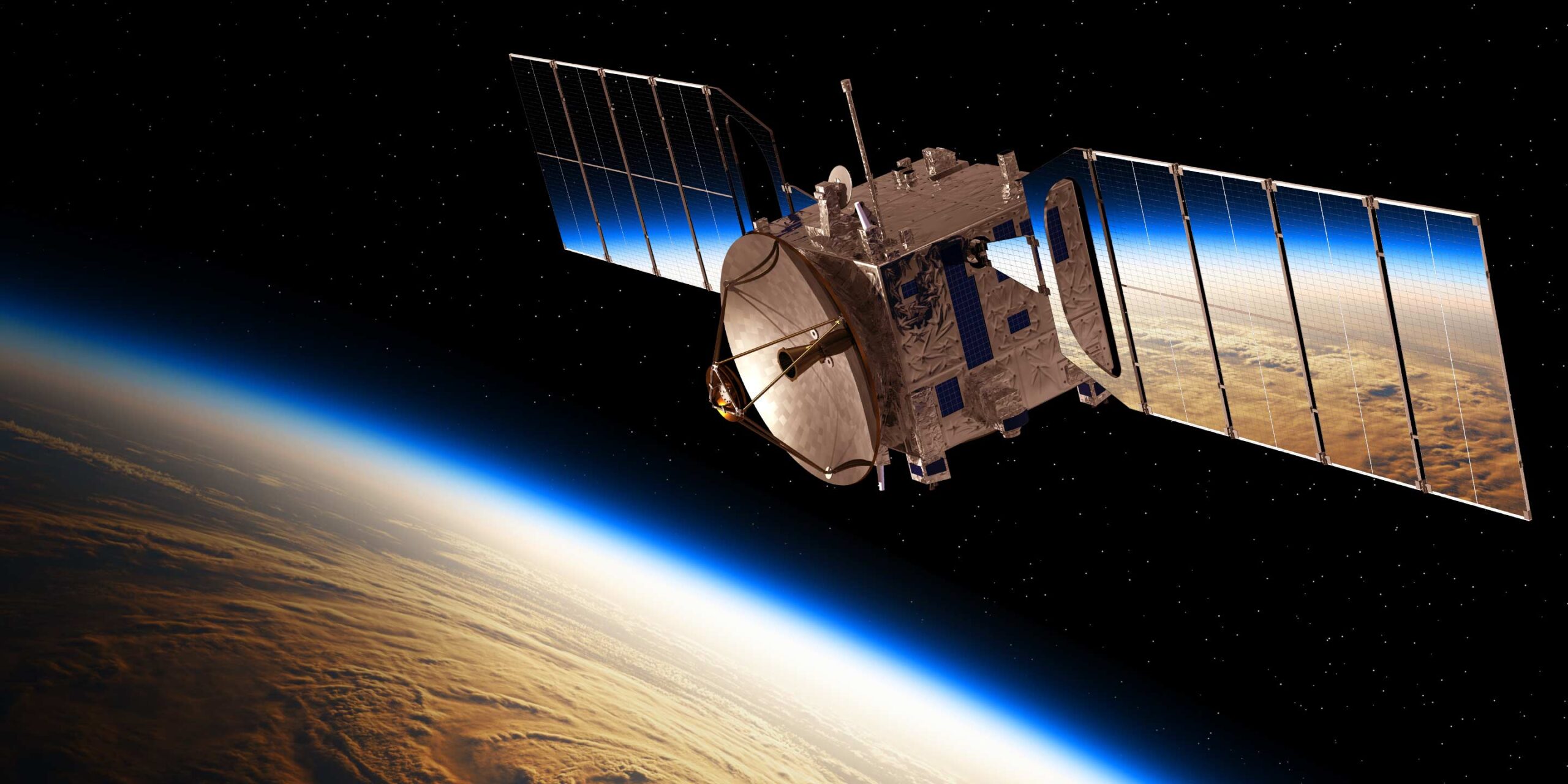
Pentagon का Space Data Network (SDN) जवाब है। Breaking Defense के अनुसार, SDN missile warning और tracking sensors से data को interceptors तक ले जाने के लिए communications architecture प्रदान करेगा — near-real time में, निरंतर और विश्वसनीयता के साथ जो एक ऐसी प्रणाली के लिए आवश्यक है जो false positives या missed threats को सहन नहीं कर सकती।
Missile Defense में Speed की समस्या
Ballistic missiles लगभग 30 मिनट में महाद्वीपों को पार करते हैं। Hypersonic glide vehicles, जो कम ऊंचाई पर unpredictable trajectories पर उड़ते हैं, उपलब्ध प्रतिक्रिया समय को और भी कम करते हैं। Detection और interception के बीच, भारी मात्रा में डेटा को संसाधित और संचारित करना होगा: tracking satellites और ground radars से sensor data को एक सुसंगत threat picture में fuse करना होगा, multiple interceptor launch sites के लिए fire control solutions की गणना करनी होगी, launch authorizations को उपयुक्त human oversight के साथ command chains के माध्यम से प्रवाहित होना होगा, और engagement data को interceptor batteries के बीच साझा करना होगा ताकि कई interceptors एक ही threat को लक्ष्य न करें जबकि अन्य unengaged रहें।
यह एक communications network के बिना संभव नहीं है जो fast enough, resilient enough और secure enough हो real missile attack की परिस्थितियों में काम करने के लिए — adversary के प्रयासों सहित जो communications को jam, spoof या degrade करने का प्रयास करते हैं जिस पर रक्षा निर्भर करती है।

SDN को क्या अलग बनाता है
Legacy missile defense communications मुख्य रूप से ground-based fiber और radio links पर निर्भर होते थे, military satellite systems द्वारा पूरक जो bandwidth, latency या resilience requirements के लिए nationwide defense architecture के लिए डिज़ाइन नहीं किए गए थे। SDN एक अलग दृष्टिकोण दर्शाता है: एक purpose-built network commercial low-Earth orbit satellite constellations, military-grade protected satcom और networking protocols का उपयोग करते हुए Golden Dome architecture की विशिष्ट data flow requirements के लिए optimized।
Network को multiple satellite constellations से heterogeneous sensor data को संभालना होगा — Space Force के Next Generation Overhead Persistent Infrared satellites सहित जो heat signatures द्वारा missile launches का पता लगाते हैं, और tracking systems जो flight के दौरान trajectories को follow करते हैं। यह डेटा विभिन्न प्रारूपों में विभिन्न program offices द्वारा संचालित systems से उत्पन्न होता है और सभी defense architecture elements के लिए simultaneously उपलब्ध एक single coherent operational picture में fuse किया जाना होगा।
Commercial Space Backbone के रूप में
एक महत्वपूर्ण policy question underlying communications capacity प्रदान करने में commercial satellite constellations की भूमिका को शामिल करता है। Starlink जैसे Constellations विशाल bandwidth, global coverage और rapid capacity expansion प्रदान करते हैं जो military satellite programs एक ही timeline या cost में match नहीं कर सकते। SDN architecture bandwidth के लिए commercial foundation पर भारी रूप से निर्भर दिखता है जबकि इसके ऊपर military-specific security layers जोड़ता है।
इस दृष्टिकोण के advocates और skeptics दोनों हैं। Advocates नोट करते हैं कि commercial constellation capacity किसी भी military procurement से कहीं तेजी से बढ़ रहा है। Skeptics commercial systems में inherent vulnerabilities दिखाते हैं — demonstrated adversary ability satellites को physically destroy करने, signals को jam करने या ground segments को compromise करने की क्षमता — और सवाल उठाते हैं कि क्या national missile defense commercial entities द्वारा ultimately controlled infrastructure पर निर्भर होना चाहिए। SDN के architecture choices उन trade-offs को परिभाषित करेंगे और Golden Dome program में सबसे प्रभावशाली तकनीकी निर्णयों में से होंगे।
यह लेख Breaking Defense की reporting पर आधारित है। मूल लेख पढ़ें।

Originally published on breakingdefense.com