Army ने missile defense capacity पर अब तक का अपने सबसे स्पष्ट दांवों में से एक लगाया है
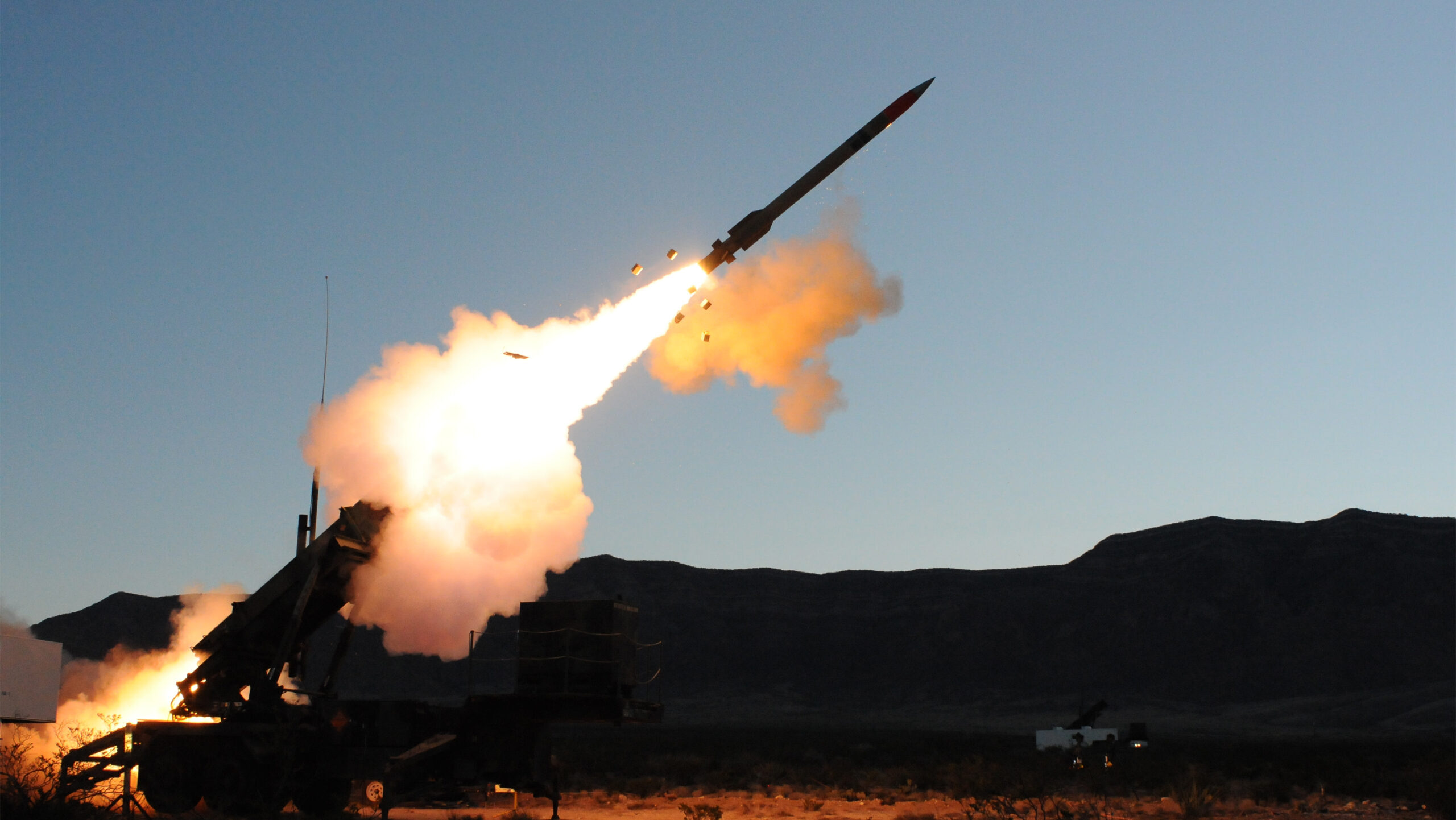
US Army ने Lockheed Martin को PAC-3 Missile Segment Enhancement interceptors के लिए $53.86 billion का undefinitized contract action modification दिया है, जिससे सात-वर्षीय समझौते का कुल मूल्य $58.62 billion हो गया है। यह modification अपने आकार के कारण ही उल्लेखनीय है, लेकिन इसका बड़ा महत्व Pentagon की प्राथमिकताओं में है: US चाहता है कि missile production lines सक्रिय बनी रहें, suppliers का विस्तार हो और output पूरी final contract details lock down होने से पहले ही तेज़ी से उपलब्ध हो.
PAC-3 MSE interceptors Patriot air and missile defense architecture के केंद्र में हैं, यह एक ऐसा system है जिसका उपयोग US और allied militaries incoming aircraft और missiles को नष्ट करने के लिए करते हैं। इस समझौते को इतनी बड़ी मात्रा में बढ़ाकर Army और Lockheed Martin यह संकेत दे रहे हैं कि demand को अब episodic नहीं माना जा रहा है। इसके बजाय, वे modern air defense munitions की सबसे महत्वपूर्ण श्रेणियों में से एक के लिए long-term production certainty बनाने की कोशिश कर रहे हैं.
Contract structure dollar figure जितनी ही महत्वपूर्ण क्यों है
यह award एक undefinitized contract action, या UCA, है। यह महत्वपूर्ण है क्योंकि UCA work को तब शुरू करने की अनुमति देता है जब हर pricing और quantity detail अंतिम रूप से तय नहीं हुई होती। सामान्य परिस्थितियों में, यह accounting footnote जैसा लग सकता है। मौजूदा माहौल में, यह अधिक सटीक रूप से एक policy tool है.
इसका लाभ speed है। Pentagon को production आगे बढ़ाने के लिए definitized deal का इंतजार नहीं करना पड़ता, और Lockheed बातचीत जारी रहने के बावजूद आगे बढ़ सकता है। Army ने कहा कि यह vehicle एक resilient, warm production line को सक्षम बनाता है, जो US और allied forces के लिए deliveries को तेज़ी से scale कर सकती है। यह wording एक विशिष्ट industrial चिंता की ओर इशारा करती है: जब production lines ठंडी पड़ जाती हैं, suppliers बिखर जाते हैं, skilled labor दूसरी जगह चला जाता है और restart times लंबे हो जाते हैं। नतीजा सिर्फ़ देरी नहीं, बल्कि surge capacity का नुकसान होता है.
यहाँ UCA का उपयोग करके Pentagon essentially उस समस्या से बचने के लिए भुगतान कर रहा है। यह procedural neatness के बजाय industrial readiness चुन रहा है, एक ऐसा tradeoff जो munitions demand बढ़ने और congressional funding pathways के अनिश्चित रहने के साथ और आम होता जा रहा है.
Pentagon industry को demand signal भेजने की कोशिश कर रहा है
Defense officials ने इस इरादे को स्पष्ट रूप से कहा। Defense Department के undersecretary of war for acquisition and sustainment, Michael Duffey, ने कहा कि यह announcement industry को वह long-term demand signal देता है जिसकी जरूरत resilient supply chain बनाने, production scale करने और capabilities को तेज़ी से deliver करने के लिए होती है। यह भाषा महत्वपूर्ण है क्योंकि missile industrial base केवल एक prime contractor पर निर्भर नहीं है। यह component manufacturers, materials suppliers और specialist production processes के नेटवर्क पर निर्भर करता है, जिन्हें निवेश करने से पहले भरोसा चाहिए.
सालों से defense manufacturing की एक recurring समस्या volatility रही है। कंपनियों से expansion करने को कहा जा सकता है, लेकिन sustained demand के बिना उन्हें ऐसी capacity बनाने का जोखिम रहता है जो बाद में idle पड़ी रह जाए। सात सालों में tens of billions का contract उस गणना को बदल देता है। यह suppliers को hiring, tooling और procurement decisions के लिए अधिक मजबूत आधार देता है, जो अन्यथा बहुत जोखिम भरे लगते.
यही कारण है कि Army और Lockheed इस award को एक one-off buy से कम और एक production architecture decision के रूप में अधिक पेश कर रहे हैं। यह पैसा सिर्फ interceptors नहीं खरीद रहा; यह उन्हें higher volume में बनाने के लिए आवश्यक परिस्थितियों का खर्च उठा रहा है.
Production goals अब और अधिक ambitious हो रहे हैं
Lockheed Martin के अनुसार, अतिरिक्त funding कंपनी को PAC-3 MSE production को supercharge करने और 2030 के अंत तक capacity को triple करने की अनुमति देती है। यह announcement के सबसे ठोस संकेतकों में से एक है। इससे लगता है कि US defense establishment सिर्फ stock replenish करने की नहीं, बल्कि दशक के बाकी हिस्से में output को संरचनात्मक रूप से बढ़ाने की योजना बना रहा है.

Timeline महत्वपूर्ण है। Missile production का विस्तार तुरंत नहीं होता। बड़े contracts मिलने के बावजूद, PAC-3 MSE जैसे system का scale-up tooling, workforce, supplier throughput और quality controls से होकर गुजरता है। 2030 तक capacity को triple करना एक multi-year industrial campaign का संकेत देता है, न कि एक छोटी procurement burst का.
Army का फैसला recent moves की एक broader sequence में भी फिट बैठता है। Lockheed को अप्रैल में PAC-3 MSE interceptors के लिए लगभग $5 billion का initial UCA मिला था, यह January में Defense Department के साथ production capacity बढ़ाने के समझौते के बाद हुआ। मार्च में, कंपनी ने Precision Strike Missile ramp-up से जुड़ा Pentagon agreement भी हासिल किया। फिर जून के अंत में, उसने Terminal High Altitude Area Defense interceptors के लिए एक और बड़ा UCA साइन किया। कुल मिलाकर, pattern को नज़रअंदाज़ करना कठिन है: department कई key programs में missile manufacturing बढ़ाने के लिए बड़े, जल्दी आगे बढ़ने वाले contract vehicles का उपयोग कर रहा है.
यह announcement क्या तय करता है और क्या नहीं
समझौते का विशाल आकार इसकी अंतर्निहित अनिश्चितता को नहीं छिपाना चाहिए। क्योंकि यह action undefinitized है, final dollar values और quantities negotiations जारी रहने पर बदल सकते हैं। इसका मतलब है कि headline number को intent के ceiling-shaped signal के रूप में पढ़ा जाना चाहिए, न कि पूरी तरह से तय procurement outcome के रूप में.
फिर भी, Army का definitization से पहले आगे बढ़ना ही इस कहानी का केंद्र है। यह urgency दिखाता है। Pentagon के लिए लगता है कि प्राथमिकता अब हर contractual detail पहले हल करने के बजाय momentum बनाए रखने और output बढ़ाने की है.
इसमें Congress से जुड़ा पहलू भी है। स्रोत पाठ बताता है कि key munitions funding का आगे का रास्ता Capitol Hill पर अभी भी अस्पष्ट है। उस संदर्भ में, UCA industrial planning को इस बीच रुकने से बचाने में मदद करता है जबकि appropriations और negotiations चलती रहती हैं। Defense manufacturers और उनके suppliers के लिए, यह production continuity बनाए रखने और फिर से stop-start cycle में फंसने के बीच का फर्क हो सकता है.
Defense procurement में एक बड़ा बदलाव आकार ले रहा है
PAC-3 MSE expansion इस बात का संकेत है कि US military readiness को कैसे देख रहा है, इसमें एक व्यापक बदलाव हो रहा है। दशकों तक procurement logic अक्सर technological superiority को पहले और production resilience को बाद में रखता था। यह hierarchy अब बदल रही है। एक sophisticated system जिसे meaningful quantity में बनाया ही न जा सके, या जल्दी replenish न किया जा सके, extended demand और allied requirements वाली दुनिया में स्पष्ट सीमाएँ रखता है.
यह contract जो सुझाता है, वह यह है कि industrial depth को strategic capability के स्तर पर रखा जा रहा है। Missile defense अब सिर्फ intercept performance के बारे में नहीं है। यह इस बारे में भी है कि production base scale पर प्रतिक्रिया दे सकता है या नहीं, suppliers shocks झेल सकते हैं या नहीं, और क्या US अपने own pipeline को hollow किए बिना partners को deliver कर सकता है.
इससे यह award एक बड़े defense headline से कहीं अधिक बन जाता है। यह इस बात का संकेत है कि Pentagon अपनी munitions base की economics को कैसे reshape करने की कोशिश कर रहा है। Lockheed की PAC-3 line से और अधिक, तेज़ी से और लंबे समय तक काम करने की अपेक्षा की जा रही है, और सरकार इसे संभव बनाने के लिए contract structure और long-duration demand का उपयोग कर रही है.
Final negotiated figures अभी भी बदल सकते हैं। लेकिन underlying message पहले से स्पष्ट है: Washington ऐसा missile capacity चाहता है जो अगली crunch से पहले तैयार हो, उसके बाद नहीं.
यह लेख Breaking Defense की रिपोर्टिंग पर आधारित है। मूल लेख पढ़ें.
Originally published on breakingdefense.com