एक बैटरी जो शास्त्रीय भौतिकी को चुनौती देती है
शास्त्रीय भौतिकी में, कई बैटरियों को एक साथ चार्ज करने के लिए या तो अधिक शक्ति या अधिक समय की आवश्यकता होती है — चार्जिंग दर, कोशिकाओं की संख्या और ऊर्जा इनपुट के बीच संबंध linear है और अपरिहार्य है। Quantum mechanics एक अलग संभावना प्रदान करता है: ऐसी प्रणालियां जहां quantum coherence और entanglement ऊर्जा को कई इकाइयों में सामूहिक रूप से संग्रहीत करने की अनुमति देती हैं ताकि पूरा भाग अपने घटकों के योग से अधिक कुशल हो। ऑस्ट्रेलियाई शोधकर्ताओं द्वारा निर्मित एक नया प्रोटोटाइप पहली बार एक वास्तविक उपकरण में इस quantum लाभ का प्रदर्शन किया है।
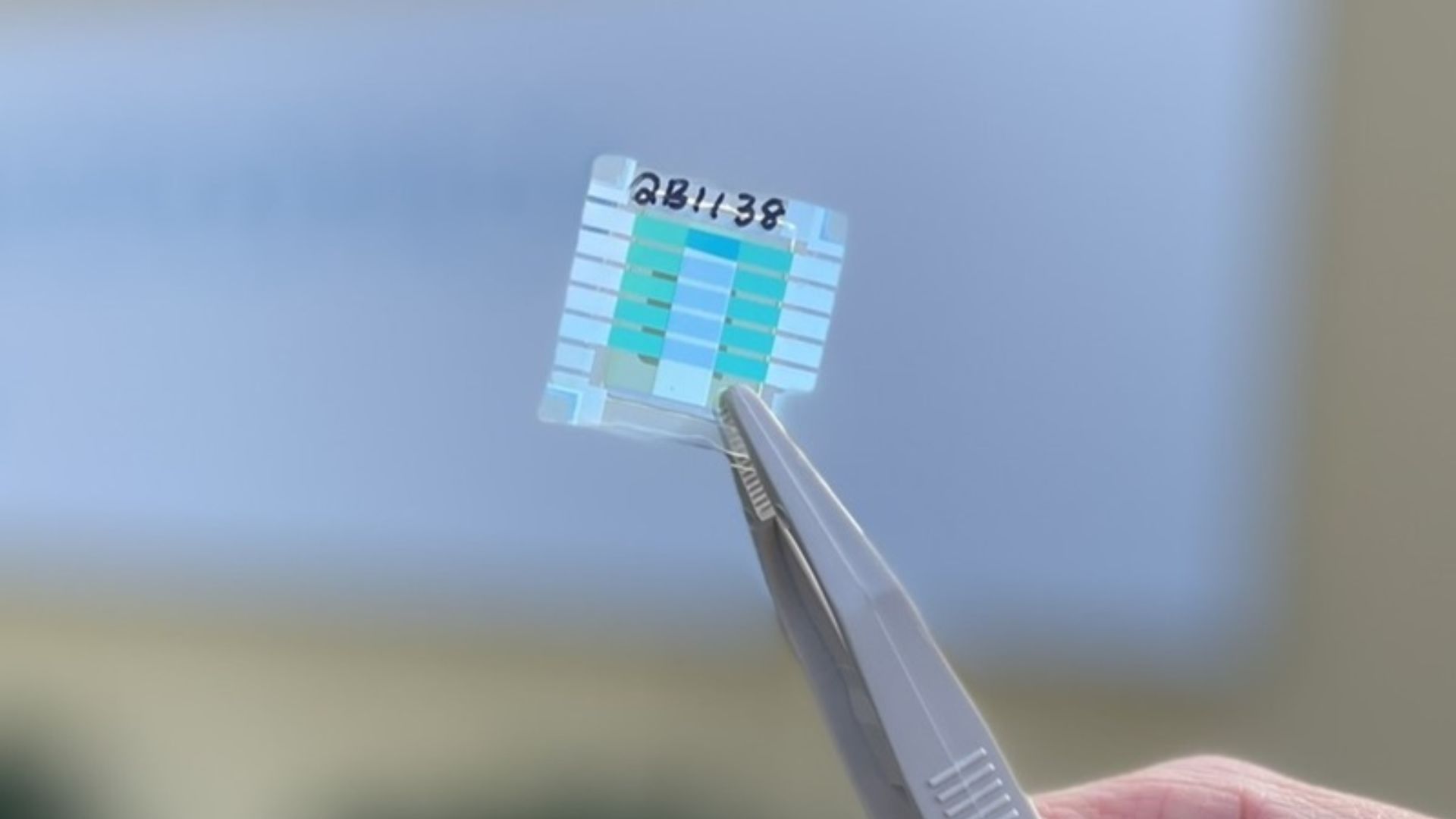
मेलबर्न विश्वविद्यालय, RMIT विश्वविद्यालय और CSIRO — ऑस्ट्रेलिया की राष्ट्रीय विज्ञान एजेंसी — से एकत्रित दल ने कार्बनिक semiconductor सामग्रियों का उपयोग करके एक quantum battery का निर्माण किया जो कमरे के तापमान पर quantum coherent ऊर्जा भंडारण का समर्थन करती है। परीक्षण में, उन्होंने देखा कि जैसे-जैसे सिस्टम में अधिक इकाइयां जोड़ी गईं, उपकरण की चार्जिंग दर बढ़ गई, एक घटना जिसे quantum charging advantage कहा जाता है जिसे सैद्धांतिक भौतिकविदों ने अनुमान लगाया था लेकिन कभी भी एक भौतिक प्रोटोटाइप में नहीं देखा गया।
क्वांटम चार्जिंग लाभ समझाया गया
एक पारंपरिक बैटरी में, व्यक्तिगत electrochemical कोशिकाएं स्वतंत्र रूप से चार्ज होती हैं। किसी सिस्टम में अधिक कोशिकाएं जोड़ने के लिए आनुपातिक रूप से अधिक ऊर्जा इनपुट और समय की आवश्यकता होती है, क्योंकि चार्जिंग प्रक्रिया कोशिकाओं के बीच बातचीत से लाभ नहीं उठाती है — प्रत्येक कोशिका अलगाव में अपना काम करती है। दी गई शक्ति स्तर पर कुल चार्जिंग समय कोशिकाओं की संख्या के साथ linear रूप से बढ़ता है।
एक quantum battery quantum mechanical गुणों का दोहन करता है — विशेष रूप से superposition और entanglement — कोशिकाओं को स्वतंत्र रूप से नहीं बल्कि सामूहिक रूप से चार्ज करने के लिए। जब कोशिकाएं चार्जिंग के दौरान quantum superposition में होती हैं, ऊर्जा को क्रमिक रूप से बजाय समवर्ती रूप से पूरे सिस्टम में वितरित किया जा सकता है। जैसे-जैसे सिस्टम बड़ा हो जाता है और अधिक entanglement चैनल उपलब्ध हो जाते हैं, इस सामूहिक चार्जिंग प्रक्रिया की दक्षता वास्तव में सुधारती है। परिणाम यह है कि एक बड़ी quantum battery, समान शक्ति इनपुट पर, एक छोटी बैटरी की तुलना में प्रति कोशिका तेजी से चार्ज होती है — जो शास्त्रीय भौतिकी की भविष्यवाणी के विपरीत है।
कार्बनिक Semiconductors की भूमिका
ऑस्ट्रेलियाई दल के काम में एक प्रमुख तकनीकी उपलब्धि विदेशी cryogenic प्रणालियों के बजाय कार्बनिक semiconductor सामग्रियों का उपयोग करके quantum charging advantage को प्रदर्शित करना है। Quantum battery के लिए पहले के सैद्धांतिक प्रस्ताव आमतौर पर निरपेक्ष शून्य के पास तापमान पर संचालन को मान लेते थे, जहां quantum coherence को बनाए रखना आसान है लेकिन व्यावहारिक अनुप्रयोग गंभीर रूप से सीमित हैं। कार्बनिक semiconductors कमरे के तापमान पर quantum battery संचालन के लिए आवश्यक quantum coherent electronic states को समर्थन दे सकते हैं, जिससे तकनीक वास्तविक दुनिया के उपकरणों के लिए संभावित रूप से व्यावहारिक हो जाती है।
प्रोटोटाइप में उपयोग की गई विशिष्ट कार्बनिक semiconductor Frenkel exciton transport को समर्थन देती है — एक प्रकार की excited electronic स्थिति जो सामग्री की आणविक संरचना के माध्यम से coherently प्रचारित हो सकती है। चार्जिंग के दौरान इस coherent transport pathway का दोहन करने के लिए डिवाइस को डिजाइन करके, दल महंगे refrigeration बुनियादी ढांचे के बिना एक सिस्टम में quantum advantage देख सकता था।
प्रोटोटाइप से व्यावहारिक डिवाइस तक
वर्तमान प्रोटोटाइप एक proof-of-concept है न कि एक उत्पाद-तैयार तकनीक। प्राप्त ऊर्जा घनत्व lithium-ion बैटरियों की तुलना में काफी कम हैं, और डिवाइस को longevity का मूल्यांकन करने के लिए हजारों charge-discharge चक्रों के माध्यम से परीक्षण नहीं किया गया है। तत्काल अनुसंधान एजेंडा इस बात पर ध्यान केंद्रित करेगा कि quantum coherence चार्जिंग के दौरान कैसे बनाए रखा जाता है और तापमान और पर्यावरणीय स्थितियों के रूप में डिवाइस कैसे परफॉर्म करता है जो आदर्श प्रयोगशाला सेटिंग्स से भिन्न होते हैं।
इस अनुसंधान को प्रेरित करने वाले संभावित अनुप्रयोगों में इलेक्ट्रॉनिक उपकरणों के लिए तेजी से चार्जिंग, electric vehicles और ग्रिड storage प्रणालियां शामिल हैं जहां उच्च दरों पर ऊर्जा अवशोषित करने की क्षमता इसे संग्रहीत करने की क्षमता जितनी महत्वपूर्ण है। यदि quantum charging advantage को डिवाइस आकार और ऊर्जा क्षमता को upward में बढ़ाते समय बनाए रखा जा सकता है, तो charging बुनियादी ढांचे पर प्रभाव महत्वपूर्ण हो सकता है — विशेष रूप से EV अनुप्रयोगों के लिए जहां charging समय को कम करना mass adoption के लिए प्राथमिक बाधाओं में से एक बना हुआ है।
भौतिक पैमाने पर सैद्धांतिक सत्यापन
इस प्रोटोटाइप का महत्व इसकी near-term आवेदन क्षमता से परे है। Quantum batteries को एक दशक से अधिक समय पहले सैद्धांतिक रूप से प्रस्तावित किया गया था, और एक कार्यात्मक डिवाइस बनाना जो अनुमानित quantum advantage को प्रदर्शित करता है सैद्धांतिक कार्य के एक शरीर को मान्य करता है जिस पर कभी-कभी सवाल उठाए गए थे कि क्या इसकी decoherence रखरखाव की मान्यताएं भौतिक रूप से प्राप्य थीं। ऑस्ट्रेलियाई प्रोटोटाइप इस सवाल का सकारात्मक उत्तर देता है, कम से कम एक प्रयोगशाला सेटिंग में।
यह सत्यापन field को तेजी देगा सैद्धांतिकों को विश्वास देते हुए कि quantum battery physics वास्तविक है न कि आदर्श, और engineers को एक ठोस डिजाइन भाषा देते हुए — कार्बनिक semiconductors जो coherent exciton transport का समर्थन करते हैं — जिस पर अगली पीढ़ी के प्रायोगिक उपकरणों पर आधारित हो सकते हैं जो उच्च ऊर्जा घनत्व और व्यावहारिक form factors को लक्ष्य करते हैं।
यह लेख Interesting Engineering की reporting पर आधारित है। मूल लेख पढ़ें।
Originally published on interestingengineering.com