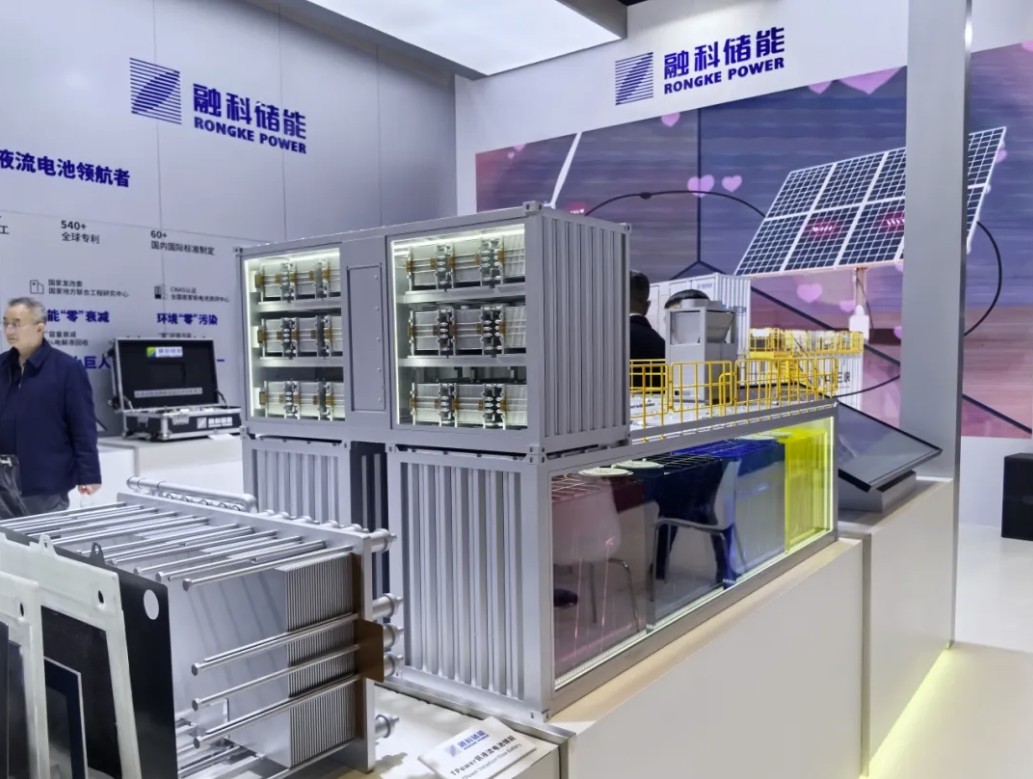
एक बड़े प्रारूप की फ्लो बैटरी, ऐसे बाज़ार के लिए जो सिर्फ़ शक्ति नहीं, अवधि चाहता है
Rongke Power ने 2 MW/8 MWh रेटिंग वाला एक नया वैनाडियम फ्लो बैटरी ऊर्जा भंडारण उत्पाद पेश किया है, जिसे ग्रिड-साइड पीक शेविंग, नवीकरणीय ऊर्जा बेस, और माइक्रोग्रिड जैसे लंबी अवधि के अनुप्रयोगों के लिए स्थित किया गया है। कंपनी इस सिस्टम को, जिसका नाम TPower2000 है, दुनिया का सबसे अधिक-शक्ति वाला एकल वैनाडियम फ्लो बैटरी स्टोरेज सिस्टम बताती है। चाहे यह दावा व्यापक बाज़ार तुलना में कितना भी सही बैठता हो, उत्पाद लॉन्च साफ़ तौर पर एक बड़े उद्योगगत रुझान को दर्शाता है: लंबी अवधि के भंडारण प्रदाता अब सीमित प्रदर्शनियों से आगे बढ़कर अधिक मानकीकृत, स्केलेबल परियोजना डिलीवरी की ओर देख रहे हैं।
समय भी उल्लेखनीय है। ऊर्जा भंडारण बाज़ार तेज़ी से बढ़े हैं, लेकिन उस वृद्धि का बड़ा हिस्सा लिथियम-आयन प्रणालियों द्वारा संचालित रहा है, जो छोटी डिस्चार्ज अवधि के लिए अनुकूलित हैं। वैनाडियम फ्लो बैटरियाँ बाज़ार के एक अलग हिस्से में आती हैं। इन्हें अक्सर उन अनुप्रयोगों के लिए उपयुक्त माना जाता है जहाँ लंबी अवधि, चक्रण सहनशीलता, और ग्रिड समर्थन, सबसे कम शुरुआती पूंजी लागत या कॉम्पैक्ट आकार से अधिक महत्वपूर्ण होते हैं। Rongke का नवीनतम उत्पाद संकेत देता है कि इस सेगमेंट के आपूर्तिकर्ता उन व्यावहारिक बाधाओं को कम करने की कोशिश कर रहे हैं, जिन्होंने व्यापक अपनाने को सीमित रखा है।
Rongke ने क्या घोषणा की
स्रोत पाठ के अनुसार, नया सिस्टम 62.5 kW स्टैक्स पर आधारित है और कंपनी की पिछली पीढ़ी की तुलना में कई गुना अधिक सिंगल-यूनिट शक्ति देता है। Rongke का कहना है कि उच्च करंट घनत्व पर भी उत्पाद 81% से अधिक DC-साइड दक्षता बनाए रखता है। यह 2 MW से 10 MW से अधिक तक मॉड्यूलर विस्तार का भी समर्थन करता है, जो दर्शाता है कि कंपनी इसे केवल एक बार की स्थापना के लिए नहीं, बल्कि बड़े प्रोजेक्ट कॉन्फ़िगरेशन के लिए भी डिज़ाइन कर रही है, जिन्हें दोहराए जा सकने वाले बिल्डिंग ब्लॉक्स के साथ स्केल किया जा सकता है।
रिपोर्ट में अलग से उल्लेखित एक और आंकड़ा है फ़ुटप्रिंट। Rongke का कहना है कि सिस्टम को लगभग 35 वर्ग मीटर प्रति MWh की ज़रूरत है, जो लेख में उद्धृत उद्योग औसत से लगभग 28% कम है। फ्लो बैटरियों के लिए जगह एक महत्वपूर्ण मुद्दा है, क्योंकि आकार लिथियम-आधारित विकल्पों की तुलना में एक कमी हो सकता है। अगर कंपनी का डिज़ाइन परिचालन लाभों को बनाए रखते हुए घनत्व में वाकई सुधार करता है, तो यह तकनीक को अधिक व्यावसायिक और यूटिलिटी संदर्भों में रखना आसान बना सकता है।

वैनाडियम फ्लो बैटरियाँ अभी भी क्यों मायने रखती हैं
स्टेशनरी भंडारण के लिए फ्लो बैटरियाँ लंबे समय से सिद्धांत रूप में आकर्षक रही हैं। क्योंकि ऊर्जा बाहरी टैंकों में रखे गए तरल इलेक्ट्रोलाइट्स में संग्रहित होती है, शक्ति और ऊर्जा क्षमता को कुछ हद तक स्वतंत्र रूप से स्केल किया जा सकता है। यह रसायन उन अनुप्रयोगों के लिए आकर्षक हो सकता है जिन्हें लंबी डिस्चार्ज अवधि, बार-बार चक्रण, और लंबे उपयोग के दौरान कम क्षरण की चिंता चाहिए।
चुनौती इन सैद्धांतिक लाभों को दोहराए जा सकने वाली बाज़ार सफलता में बदलने की रही है। लागत, सिस्टम जटिलता, आपूर्ति श्रृंखला के प्रश्न, और तैनाती की गति ने अपनाने को सीमित किया है। व्यवहार में, डेवलपर और यूटिलिटी अक्सर लिथियम-आयन की ओर मुड़ते हैं क्योंकि यह परिचित, बैंक योग्य और बड़े पैमाने के निर्माण द्वारा समर्थित है। इसलिए फ्लो बैटरी विक्रेताओं को न केवल तकनीकी उपयुक्तता दिखानी होती है, बल्कि ऐसे तैनाती मॉडल भी दिखाने होते हैं जो परियोजना डेवलपर्स के लिए घर्षण कम करें।
यही कारण है कि Rongke का मानकीकरण और GWh-स्तरीय डिलीवरी पर ज़ोर महत्वपूर्ण है। कंपनी सिर्फ़ एक बड़ा उत्पाद नहीं ला रही। वह तर्क दे रही है कि वैनाडियम फ्लो सिस्टम का अगला चरण औद्योगिकीकरण है: अधिक समान मॉड्यूल, बहु-MW परियोजनाओं के लिए स्पष्ट रास्ते, और ऐसी उत्पाद संरचनाएँ जिन्हें बड़े पुनर्रचना के बिना विस्तारित किया जा सके।
Rongke किन उपयोग मामलों को लक्षित कर रही है
रिपोर्ट में बताई गई अनुप्रयोग श्रेणियाँ उन बाज़ारों की ओर इशारा करती हैं जहाँ फ्लो बैटरियाँ सबसे प्रतिस्पर्धी हो सकती हैं। नवीकरणीय ऊर्जा बेसों को अक्सर ऐसा भंडारण चाहिए होता है जो परिवर्ती उत्पादन को अवशोषित करके लंबे समय खिड़कियों में छोड़ सके। ग्रिड-साइड पीक शेविंग ऐसे सिस्टम मांगती है जो ऊर्जा को इस तरह स्थानांतरित करें कि नेटवर्क स्थिर हों, सिर्फ़ तेज़, छोटी प्रतिक्रियाएँ न हों। माइक्रोग्रिड्स लचीलापन और मजबूती को महत्व देते हैं, खासकर जहाँ नवीकरणीय प्रवेश अधिक हो या डीज़ल को हटाना लक्ष्य हो।
इन सभी स्थितियों में अवधि महत्वपूर्ण है। 2 MW/8 MWh रेटिंग नाममात्र शक्ति पर चार घंटे की डिस्चार्ज प्रोफ़ाइल का संकेत देती है, जो कई यूटिलिटी और व्यावसायिक भंडारण उपयोग मामलों के लिए उपयुक्त सीमा में है। 10 MW से ऊपर स्केल करने की क्षमता यह भी बताती है कि Rongke पायलट तैनाती से आगे बढ़कर यूटिलिटी-प्रासंगिक पोर्टफोलियो का लक्ष्य रख रही है।
उत्पाद का कम बाधाओं पर ज़ोर भी बहुत कुछ कहता है। फ्लो बैटरियों के बढ़ने के लिए विक्रेताओं को खरीदारों को यह विश्वास दिलाना होगा कि तकनीक कोई असाधारण चीज़ नहीं है जिसे कस्टम उपचार चाहिए। मानकीकृत मॉड्यूल, उच्च करंट घनत्व पर दावा की गई दक्षता, और कम फ़ुटप्रिंट एक ही व्यावसायिक संदेश की ओर इशारा करते हैं: इसे खरीदना और तैनात करना आसान होता जा रहा है।
घोषणा क्या साबित करती है और क्या नहीं
किसी भी उत्पाद लॉन्च की तरह, दावों को कंपनी के बयान के रूप में पढ़ना चाहिए, न कि पूरी तरह सत्यापित बाज़ार परिणामों के रूप में। स्रोत पाठ में तकनीकी और प्रदर्शन आंकड़े Rongke Power से जोड़े गए हैं। इसमें स्वतंत्र परियोजना डेटा, लंबे समय का फ़ील्ड प्रदर्शन, या प्रतिस्पर्धियों के साथ लागत तुलना शामिल नहीं है। यदि उत्पाद बड़े पैमाने पर खरीद निर्णयों को बदलना है, तो ये विवरण महत्वपूर्ण होंगे।
फिर भी, ऐसे लॉन्च उपयोगी हैं क्योंकि वे दिखाते हैं कि भंडारण में प्रतिस्पर्धी दबाव किस दिशा में जा रहा है। उद्योग अब सिर्फ़ यह नहीं पूछ रहा कि लंबी अवधि के भंडारण की ज़रूरत है या नहीं। वह पूछ रहा है कि कौन-सी तकनीकें इतनी प्रभावी ढंग से उत्पादीकृत की जा सकती हैं कि तैनाती जीत सकें। Rongke का उत्तर है वैनाडियम फ्लो बैटरियों को अधिक शक्तिशाली एकल सिस्टम, मॉड्यूलर बहु-MW विस्तार, और अधिक कॉम्पैक्ट लेआउट की ओर धकेलना।
भंडारण प्रतिस्पर्धा के अगले चरण का परीक्षण
व्यापक भंडारण बाज़ार एक ऐसे चरण में प्रवेश कर रहा है जहाँ रसायन विविधता अधिक मायने रखती है। छोटी अवधि का लिथियम-आयन अभी भी प्रमुख है, लेकिन बढ़ते नवीकरणीय प्रवेश वाले ग्रिडों को ऐसे सिस्टमों की आवश्यकता है जो अलग-अलग परिचालन पैटर्न को संभाल सकें। इससे उन विकल्पों के लिए दरवाज़ा खुलता है जिन्हें पहले केवल आशाजनक लेकिन सीमांत माना जाता था।
Rongke Power का TPower2000 इस बदलाव का हिस्सा है। यह वैनाडियम फ्लो स्टोरेज को विशेष तैनाती से अधिक दोहराए जा सकने वाली, बड़े पैमाने की परियोजनाओं की ओर ले जाने का ठोस प्रयास है। अगर कंपनी अपने लॉन्च दावों को फ़ील्ड प्रदर्शन और प्रतिस्पर्धी अर्थशास्त्र से साबित कर पाती है, तो यह इस दावे को मज़बूत कर सकता है कि फ्लो बैटरियाँ मुख्यधारा के लंबी अवधि के टूलकिट का हिस्सा हैं।
यदि ऐसा नहीं होता, तब भी यह इस बात का प्रमाण होगा कि क्षेत्र कैसे विकसित हो रहा है। अब भंडारण विक्रेता समझते हैं कि बाज़ार के अगले चरण को जीतने के लिए केवल नई रसायनशास्त्र पर्याप्त नहीं है। इसके लिए मानकीकृत उत्पाद, स्केलेबल डिलीवरी, और ऐसा डिज़ाइन लॉजिक चाहिए जो इस बात से मेल खाए कि यूटिलिटी और डेवलपर वास्तव में इन्फ्रास्ट्रक्चर कैसे खरीदते हैं। इस मोर्चे पर Rongke का नवीनतम लॉन्च लंबी अवधि के भंडारण को व्यावसायिक पैमाने पर परिभाषित करने की चल रही प्रतिस्पर्धा में एक महत्वपूर्ण संकेत है।
यह लेख PV Magazine की रिपोर्टिंग पर आधारित है। मूल लेख पढ़ें.
Originally published on pv-magazine.com




