संघीय सरकार कोयले को अपनी बिजली नीति के केंद्र में फिर से ला रही है
अमेरिकी ऊर्जा विभाग ने कोयला-आधारित बिजली का समर्थन करने के लिए 850 मिलियन डॉलर तक देने का संकल्प लिया है, जिसमें अलास्का और वेस्ट वर्जीनिया में दो नए संयंत्र, एक दर्जन से अधिक सुविधाओं में आधुनिकीकरण कार्य, और पश्चिमी तट से कोयला निर्यात क्षमता को मजबूत करने के प्रयास शामिल हैं। Utility Dive के अनुसार, यह पैकेज कुल 17 परियोजनाओं को कवर करता है और 2013 के बाद से पहली नई अमेरिकी कोयला परियोजनाओं को चालू करेगा।
यह कोई प्रतीकात्मक कदम नहीं है। यह संघीय शक्ति और संघीय धन का सीधा उपयोग करके बिजली प्रणाली में कोयले की भूमिका को बढ़ाने का प्रयास है, ऐसे समय में जब बाजार का बड़ा हिस्सा दूसरी दिशा में जा रहा है। प्रशासन ने इस कदम को ऊर्जा-प्रधानता के व्यापक एजेंडे का हिस्सा बताया और इसे विश्वसनीयता, वहनीयता तथा औद्योगिक क्षमता से जोड़ा। आलोचकों ने इसे एक गैर-प्रतिस्पर्धी क्षेत्र को सहारा देने के लिए महंगा हस्तक्षेप बताया।
वित्तपोषण में क्या शामिल है
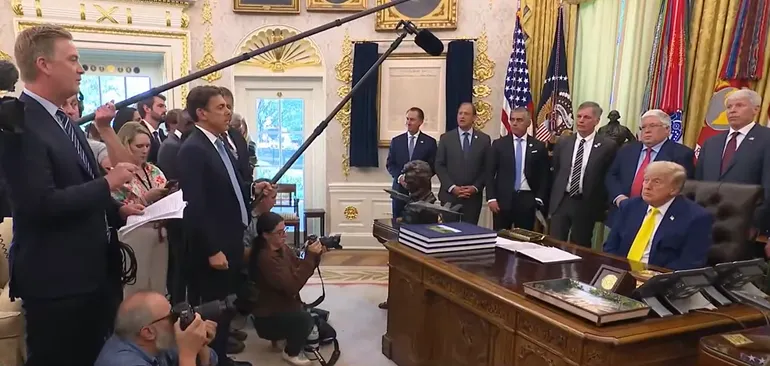
स्रोत पाठ के अनुसार, दो नए कोयला संयंत्र एंकोरेज, अलास्का, और माउंट स्टॉर्म, वेस्ट वर्जीनिया में होंगे, जिनकी संयुक्त क्षमता 2.85 गीगावाट होगी। व्यापक पैकेज में मौजूदा सुविधाओं के उन्नयन और निर्यात के लिए समर्थन भी शामिल है। राष्ट्रपति डोनाल्ड ट्रंप ने 4 जून, 2026 को व्हाइट हाउस में यह धनराशि घोषित की और कहा कि ये परियोजनाएं कोयला क्षमता का आधुनिकीकरण करेंगी और कम लागत वाली बिजली को ऑनलाइन बनाए रखेंगी।
Utility Dive की रिपोर्ट के अनुसार, प्रशासन प्रयास के एक हिस्से के लिए Defense Production Act के धन का उपयोग करने की योजना बना रहा है। यह अपने आप में महत्वपूर्ण है। DPA आम तौर पर तात्कालिक राष्ट्रीय जरूरतों से जुड़ा होता है। इसे कोयला विस्तार पर लागू करना संकेत देता है कि प्रशासन डिस्पैचेबल जीवाश्म उत्पादन को केवल एक बाजार-चयन के रूप में नहीं, बल्कि एक रणनीतिक संपत्ति के रूप में देख रहा है, जिसके लिए असाधारण समर्थन उचित है।
प्रशासन का पक्ष
ट्रंप ने तर्क दिया कि सरकार पहले ही 17 गीगावाट कोयला उत्पादन को बंद होने से रोक चुकी है और कोयला-आधारित बिजली को कम लागत वाला बताया। व्यापक नीति-रेखा परिचित है: ग्रिड को ठोस आधार वाले उत्पादन की जरूरत है, मांग बढ़ रही है, और कोयला संसाधनों को बनाए रखना या नया बनाना विश्वसनीयता का समर्थन कर सकता है, क्योंकि देश नए औद्योगिक लोड और ऊर्जा-गहन अवसंरचना जोड़ रहा है।
यह तर्क बिजली क्षेत्र के कुछ हिस्सों में तब से समर्थन पा रहा है जब मांग के अनुमान बढ़े हैं, खासकर डेटा केंद्रों और बड़े औद्योगिक विकास के आसपास। फिर भी, पर्याप्तता की चिंता से सीधे संघीय कोयला निर्माण तक का यह कदम असामान्य रूप से आक्रामक है। इससे लगता है कि प्रशासन सिर्फ रिटायरमेंट को धीमा करने से संतुष्ट नहीं है। वह कोयले की विकास-शृंखला को फिर से बनाना चाहता है।
विरोध का तर्क
स्रोत पाठ में उद्धृत आलोचक इस नीति पर जलवायु के साथ-साथ अर्थशास्त्र के आधार पर भी हमला करते हैं। Conservatives for Responsible Stewardship ने इसे स्वैम्प पॉलिटिक्स कहा और कहा कि यह एक लड़खड़ाते उद्योग को सब्सिडी देने के लिए संघीय अधिकार का दुरुपयोग करता है। Public Citizen ने तर्क दिया कि यह कदम वहनीयता में सुधार करने के बजाय उसे और खराब करता है। यह एक महत्वपूर्ण विभाजन रेखा है। अब संघर्ष केवल जीवाश्म और स्वच्छ ऊर्जा खेमों के बीच नहीं है। यह इस पर भी है कि दर-भुगतानकर्ताओं के लिए वास्तव में लागत कौन कम करता है।
तत्काल नीति प्रश्न यह है कि क्या कोयला कोई सार्थक विकास पथ फिर से हासिल कर सकता है, यदि इसके लिए असाधारण संघीय समर्थन की आवश्यकता हो। लंबी अवधि का प्रश्न यह है कि क्या प्रशासन एक स्थायी रणनीति बना रहा है या महंगे अपवाद पैदा कर रहा है, जिन्हें भविष्य की सरकारें और नियामक वापस ले सकते हैं।
कोयले से आगे यह क्यों मायने रखता है
कोयला पैकेज वास्तव में इस बात का संकेत है कि संघीय सरकार ग्रिड को कैसे आकार देना चाहती है। यह कहता है कि विश्वसनीयता संबंधी चिंताएं, बढ़ते लोड अनुमान और औद्योगिक रणनीति अब उत्पादन विकल्पों में खुले हस्तक्षेप को उचित ठहराते हैं। यदि यह मिसाल कायम रहती है, तो इसी तरह के तर्क अन्य तकनीकों के समर्थन में भी इस्तेमाल किए जा सकते हैं, जैसे गैस और परमाणु से लेकर ट्रांसमिशन और दीर्घ-अवधि भंडारण तक।
अभी के लिए, हालांकि, कोयला परीक्षण मामला है। प्रशासन इस दांव पर है कि विश्वसनीयता की चिंता और हस्तक्षेप करने की राजनीतिक इच्छा, क्षेत्र की लंबी बाजार-गिरावट को मात दे सकती है। इससे स्थायी संपत्तियां बनेंगी या महंगे विचलन, यह क्रियान्वयन, परमिटिंग, परिचालन लागत और आने वाले कई वर्षों में बिजली की मांग किस तरह बदलती है, इस पर निर्भर करेगा। जो बात अभी स्पष्ट है, वह यह कि अमेरिकी ऊर्जा नीति अधिक हस्तक्षेपवादी चरण में प्रवेश कर चुकी है, और कोयला उसके पहले बड़े लाभार्थियों में से एक है।
यह लेख Utility Dive की रिपोर्टिंग पर आधारित है। मूल लेख पढ़ें.
Originally published on utilitydive.com




