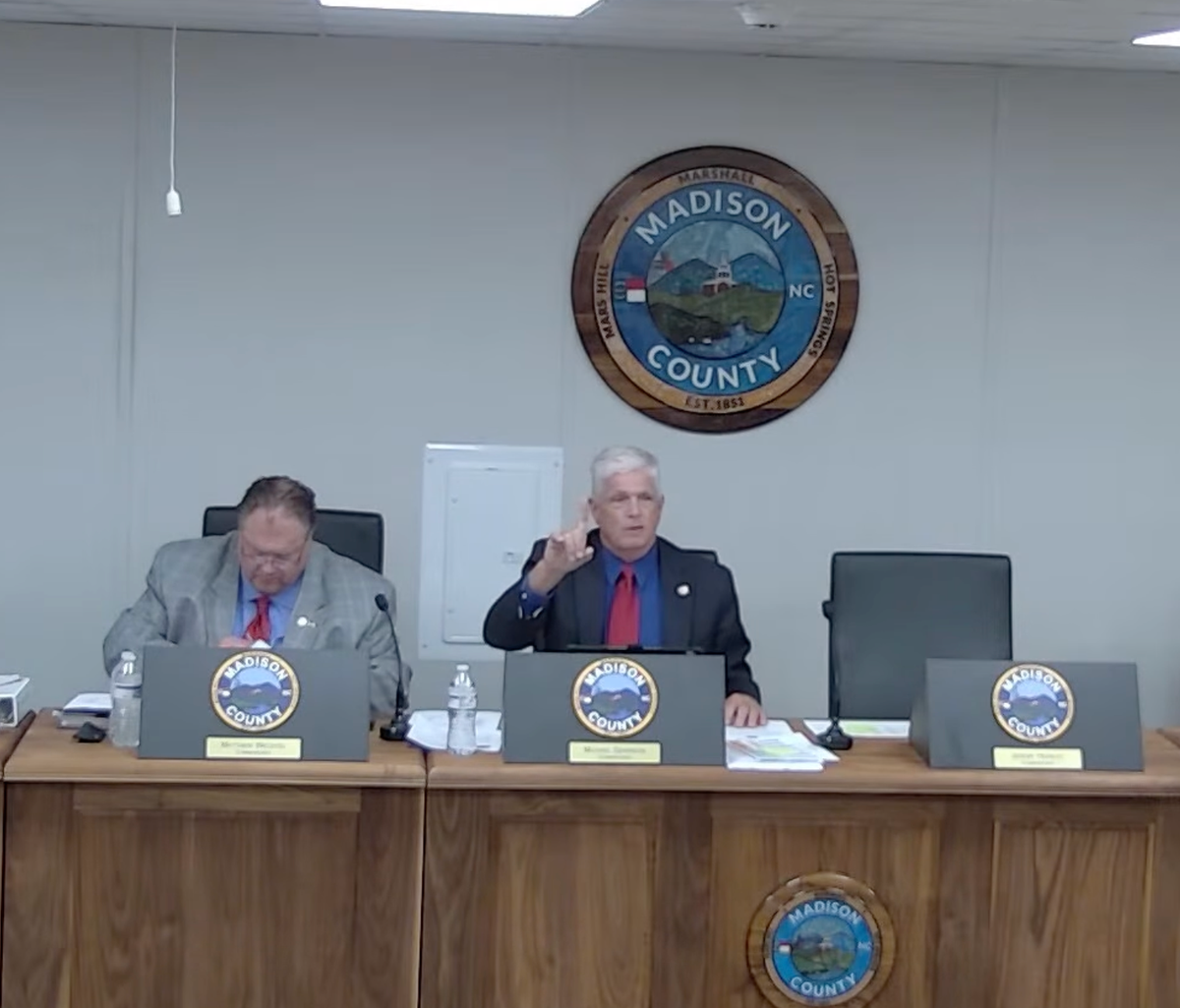
निगरानी की लड़ाई सार्वजनिक प्रक्रिया की लड़ाई बन गई
नॉर्थ कैरोलिना में एक काउंटी बैठक तब अधिक तीखे विवाद में बदल गई जब अधिकारियों ने Flock के स्वचालित लाइसेंस प्लेट रीडर्स के खिलाफ बोलने के लिए कई निवासियों को अनुमति देने से इनकार कर दिया। 404 Media की रिपोर्ट के अनुसार, मैडिसन काउंटी बोर्ड ऑफ कमिश्नर्स के अध्यक्ष माइकल गैरीसन ने निवासियों से भरे एक कमरे में कहा कि इस मुद्दे पर केवल एक नामित व्यक्ति को बोलने की अनुमति होगी।
जब लोगों ने आपत्ति जताई, तो प्रतिक्रिया स्पष्ट थी। स्रोत पाठ के अनुसार, उन्होंने कहा, "You will not speak on Flock tonight,"। बोर्ड का रुख यह था कि प्रणाली का विरोध करने वाले निवासी एक ही रुख वाले एक समूह का गठन करते हैं और इसलिए उनका प्रतिनिधित्व एक वक्ता कर सकता है।
भीड़ ने आपत्ति क्यों की
निवासियों ने इस तर्क को स्वीकार नहीं किया। दिए गए विवरण में, कमरे में मौजूद लोगों ने कहा कि वे कोई संगठित समूह नहीं थे, बल्कि अलग-अलग नागरिक थे जो बोर्ड को अपनी बात कहना चाहते थे। यह अंतर महत्वपूर्ण है क्योंकि सार्वजनिक-टिप्पणी प्रक्रियाएं अक्सर इस बात का पैमाना बन जाती हैं कि स्थानीय सरकारें वास्तव में सुन रही हैं या केवल असहमति को प्रबंधित कर रही हैं।
विवाद सिर्फ बोलने के समय को लेकर नहीं था। यह इस बारे में था कि क्या निगरानी तकनीक का व्यापक विरोध एक सार्वजनिक चिंता के रूप में सुना जाएगा या प्रशासनिक दक्षता के लिए उसे एक ही प्रस्तुति में समेट दिया जाएगा।

मैडिसन काउंटी में Flock क्या कर रहा है
रिपोर्ट में कहा गया है कि मैडिसन काउंटी शेरिफ्स ऑफिस ने कम से कम मार्च से Flock के स्वचालित लाइसेंस प्लेट रीडर्स का उपयोग किया है, जो कार्यालय की एक Facebook पोस्ट पर आधारित है। ये प्रणालियां गुजरने वाले वाहनों के समय और स्थान को स्कैन और विश्लेषित करती हैं, और कानून प्रवर्तन उपयोग के लिए एक खोज योग्य रिकॉर्ड बनाती हैं।
सार्वजनिक रिकॉर्ड अनुरोधों से HaveIBeenFlocked.com द्वारा संकलित रिकॉर्ड दिखाते हैं कि शेरिफ्स ऑफिस Flock पर प्रति माह सैकड़ों बार खोज करता है, लेख के अनुसार। स्थानीय गोपनीयता समूह Madison for Privacy का कहना है कि काउंटी ने 20,000 से थोड़ा अधिक निवासियों वाले इस काउंटी में 60-दिन की अवधि के दौरान राष्ट्रव्यापी डेटाबेस में 1,200 से अधिक बार खोज की।
ये आंकड़े स्थानीय विरोध का केंद्र हैं। कार्यक्रम पर सवाल उठाने वाले निवासी केवल सैद्धांतिक आपत्ति नहीं जता रहे हैं। वे रिपोर्ट किए गए खोज-आयतन की ओर इशारा कर रहे हैं, जिनके बारे में उनका मानना है कि उन्हें इस आश्वासन के साथ मेल बिठाना मुश्किल है कि प्रणाली का उपयोग केवल गंभीर अपराधों के लिए किया जाता है।
लाइसेंस प्लेट रीडर्स के आसपास का व्यापक पैटर्न
लेख मैडिसन काउंटी को एक व्यापक राष्ट्रीय प्रवृत्ति में रखता है। कुछ शहरों में गोपनीयता समूहों ने स्थानीय सरकारों को Flock के साथ अनुबंध समाप्त करने के लिए सफलतापूर्वक प्रेरित किया है, जबकि अन्य जगहों पर निवासियों का कहना है कि उनकी चिंताओं को नजरअंदाज किया गया है।
इससे काउंटी बैठक एक कमरे और एक रात से आगे महत्वपूर्ण हो जाती है। यह दिखाता है कि निगरानी विवाद किस तरह तेजी से नगरपालिका स्तर पर सामने आते हैं, जहां खरीद संबंधी निर्णय चुपचाप लिए जा सकते हैं, लेकिन प्रतिरोध अक्सर तभी आता है जब लोग देखते हैं कि कोई प्रणाली कितनी भारी मात्रा में उपयोग की जा रही है।
सार्वजनिक बहस में स्वचालित लाइसेंस प्लेट रीडर्स एक कठिन स्थान पर हैं, क्योंकि अक्सर उनका बचाव व्यावहारिक जांच उपकरणों के रूप में किया जाता है, जबकि आलोचक उन्हें नियमित व्यापक ट्रैकिंग के एक रूप के रूप में देखते हैं। दिए गए स्रोत में इस नीतिगत विवाद का समाधान नहीं किया गया है, लेकिन यह दिखाया गया है कि यह कितनी जल्दी राजनीतिक रूप से ज्वलनशील बन सकता है।

प्रक्रिया नीति जितना ही भरोसे को आकार दे सकती है
यहां तक कि वे स्थानीय अधिकारी भी जो किसी निगरानी कार्यक्रम का समर्थन करते हैं, उसे बनाए रखने के लिए आम तौर पर जनता के भरोसे की जरूरत होती है। यही कारण है कि बैठक की प्रक्रिया महत्वपूर्ण है। आलोचकों से भरे कमरे को केवल एक वक्ता तक सीमित करना एजेंडा को सरल बना सकता है, लेकिन इससे यह धारणा भी और तीव्र हो सकती है कि परिणाम पहले से तय है।
मैडिसन काउंटी की बैठक ने संभवतः ठीक यही किया। निवासी उस प्रणाली को चुनौती देने आए थे जिसे वे मानते हैं कि उसका उपयोग विज्ञापित दावे से कहीं अधिक व्यापक रूप से किया जा रहा है। इसके बजाय, कई लोगों से कहा गया कि उन्हें इस मुद्दे पर बिल्कुल बोलने की अनुमति नहीं होगी।
विवादास्पद तकनीक अपनाने वाली स्थानीय सरकारों के लिए, यही शायद गहरा सबक है। सार्वजनिक वैधता केवल इस बात पर निर्भर नहीं करती कि कौन से उपकरण खरीदे गए, बल्कि इस पर भी कि क्या लोगों को लगता है कि उन उपकरणों के सामान्य होने से पहले उन्हें आपत्ति जताने का उचित अवसर मिला था।
- मैडिसन काउंटी के अधिकारियों ने Flock कैमरों पर सार्वजनिक टिप्पणी को एक प्रवक्ता तक सीमित कर दिया।
- निवासियों ने तर्क दिया कि वे अलग-अलग नागरिक थे, कोई एक संगठित समूह नहीं।
- काउंटी शेरिफ्स ऑफिस ने कथित तौर पर कम से कम मार्च से Flock का उपयोग किया है।
- गोपनीयता आलोचक भारी खोज गतिविधि की ओर इशारा करते हैं, जिसे वे इस बात का प्रमाण मानते हैं कि प्रणाली का उपयोग दावे से अधिक व्यापक रूप से किया जा रहा है।
यह लेख 404 Media की रिपोर्टिंग पर आधारित है। मूल लेख पढ़ें.
Originally published on 404media.co