Silicon Valley को हिलाने वाला फैसला
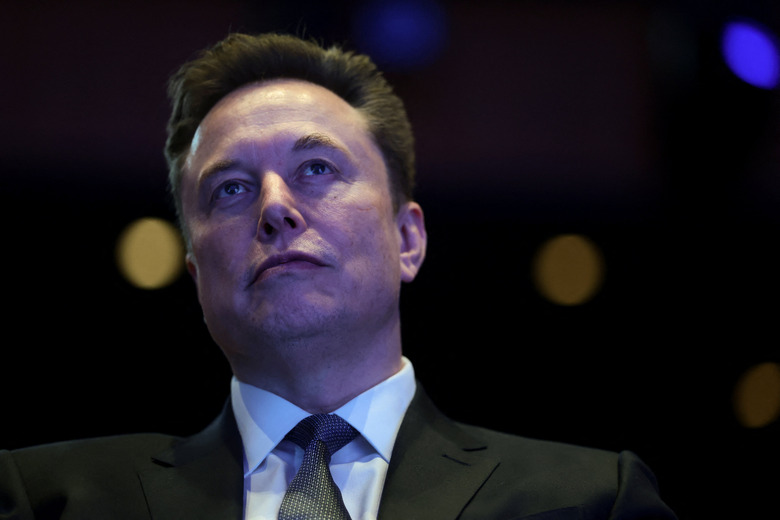
Elon Musk ने 2022 के Twitter अधिग्रहण के दौरान निवेशकों को गुमराह किया है, इस फैसले का विश्व के सबसे अमीर व्यक्ति ने अपने व्यावसायिक मामलों को कैसे संचालित किया है और कानून प्रमुख शेयरहोल्डरों की सार्वजनिक बयानों को कैसे नियंत्रित करता है, इस पर महत्वपूर्ण प्रभाव है। यह मामला Musk के बड़ी स्टेक जमा करने की घोषणा से पहले के कई हफ्तों तक विलंबित प्रकटीकरण पर केंद्रित था—एक विलंब जिसके कारण Musk कृत्रिम रूप से कम कीमतों पर लाखों अतिरिक्त शेयर खरीद सके, जैसा कि अभियोजकों और वादीदावेदारों का तर्क था।
प्रतिभूति कानून के लिए आवश्यक है कि निवेशक जो किसी सार्वजनिक कंपनी के 5 प्रतिशत से अधिक शेयर जमा करते हैं, उस सीमा को पार करने के 10 दिनों के भीतर SEC को एक प्रकटीकरण दाखिल करें। Musk ने 2022 की शुरुआत में 5 प्रतिशत की सीमा पार की लेकिन आवश्यक प्रकटीकरण कई हफ्तों तक दाखिल नहीं किया, विलंब के दौरान शेयर खरीदना जारी रखा जो निवेशकों ने अनुमान लगाया कि कम कीमतें होंगी।
मामले के आरोप
मामला Musk के अप्रकटित जमा करने की अवधि के दौरान Twitter शेयर बेचने वाले निवेशकों की एक वर्ग कारवाई के रूप में लाया गया था—जिसका तर्क था कि यदि Musk ने समय पर प्रकटीकरण किया होता तो वे बाजार को जो कीमत दी होती, उससे कम कीमत पर उनके शेयर बेचे गए। जब प्रकटीकरण आया, तो परिणाम तात्कालिक और महत्वपूर्ण था: Musk के स्टेक के सार्वजनिक होने के बाद Twitter स्टॉक तेज़ी से बढ़ गया, यह पुष्टि करते हुए कि निवेशकों ने एक बड़े शेयरहोल्डर के रूप में उसकी उपस्थिति को भौतिक मूल्य दिया, भले ही उसने अधिग्रहण का इरादा घोषित किया हो।
वित्तीय परिणाम
फैसले के वित्तीय परिणाम नुकसान के चरण पर निर्भर करेंगे, जहां पक्ष निवेशक वर्ग को होने वाली क्षति की बहस करेंगे। इस प्रकार की प्रतिभूति वर्ग कारवाई में क्षति की गणना दसियों मिलियन से अरबों डॉलर तक हो सकती है। Musk की कानूनी टीम नुकसान के आंकड़ों पर जोरदार विवाद करने की उम्मीद करती है और दायित्व के फैसले की अपील करने का इरादा संकेत दिया है।
Musk व्यक्तिगत रूप से, वित्तीय जोखिम—निरपेक्ष शर्तों में संभवतः पर्याप्त होते हुए भी—उसकी संपत्ति की स्थिति को देखते हुए अस्तित्वगत नहीं होगा। अधिक व्यावहारिक परिणाम प्रतिष्ठा और नियामक हो सकते हैं: SEC ने Twitter अधिग्रहण के बाद से Musk की प्रकटीकरण प्रथाओं को बारीकी से देख रहा है, और जूरी के गुमराह करने वाले व्यवहार के निष्कर्ष उन नियामकों को सशक्त करते हैं जो संबंधित प्रतिभूति कानून प्रश्नों पर प्रवर्तन कार्रवाई पर विचार कर रहे हैं।
अरबपति निवेशकों के लिए व्यापक प्रभाव
फैसले को प्रतिभूति वकीलों द्वारा परिष्कृत निवेशकों के लिए बहुत-व्यस्त-दाखिल बचाव की सीमाओं के बारे में एक महत्वपूर्ण बयान के रूप में व्याख्या की गई है। Musk द्वारा उल्लंघन किए गए प्रकटीकरण नियम बाजार निष्पक्षता के लिए मौलिक बुनियादी ढांचे हैं—वे विशेष रूप से मौजूद हैं ताकि अमीर अंदरूनी निवेशकों को अपनी स्थिति के बारे में भौतिक गैर-सार्वजनिक जानकारी का उपयोग करके कम-सूचित प्रतिपक्षों के खिलाफ व्यापार करने से रोका जा सके। यह निष्कर्ष कि दुनिया का सबसे अमीर और सबसे दृश्यमान निवेशक भी इन नियमों के अपवाद के बिना अधीन है, को बाजार अखंडता सिद्धांतों के एक महत्वपूर्ण पुष्टि के रूप में देखा जाता है।

Twitter अधिग्रहण में पिछला विश्लेषण
फैसला एक समय पर आता है जब Musk का Twitter स्वामित्व—X के रूप में पुनः ब्रांडेड—दशक की सबसे विवादास्पद कॉर्पोरेट शासन कहानी बनी हुई है। उसके अव्यवस्थित अधिग्रहण दृष्टिकोण, उसके बाद के व्यापक छंटनी, सामग्री संयम विवाद, और मंच की विकसित राजनीतिक और आर्थिक स्थिति X को लगातार जनता की बहस का विषय बना दिया है। निवेशक धोखाधड़ी के फैसले ने सबसे करीब से देखी गई कॉर्पोरेट अधिग्रहणों में से एक के कानूनी और प्रतिष्ठा रिकॉर्ड में एक नया आयाम जोड़ता है, और उच्च दांव लेनदेन के दौरान बड़े निवेशक बाजार से कैसे संवाद करते हैं इसके बारे में ताजा सवाल उठाता है।
यह लेख Engadget द्वारा रिपोर्टिंग पर आधारित है। मूल लेख पढ़ें.
Originally published on engadget.com