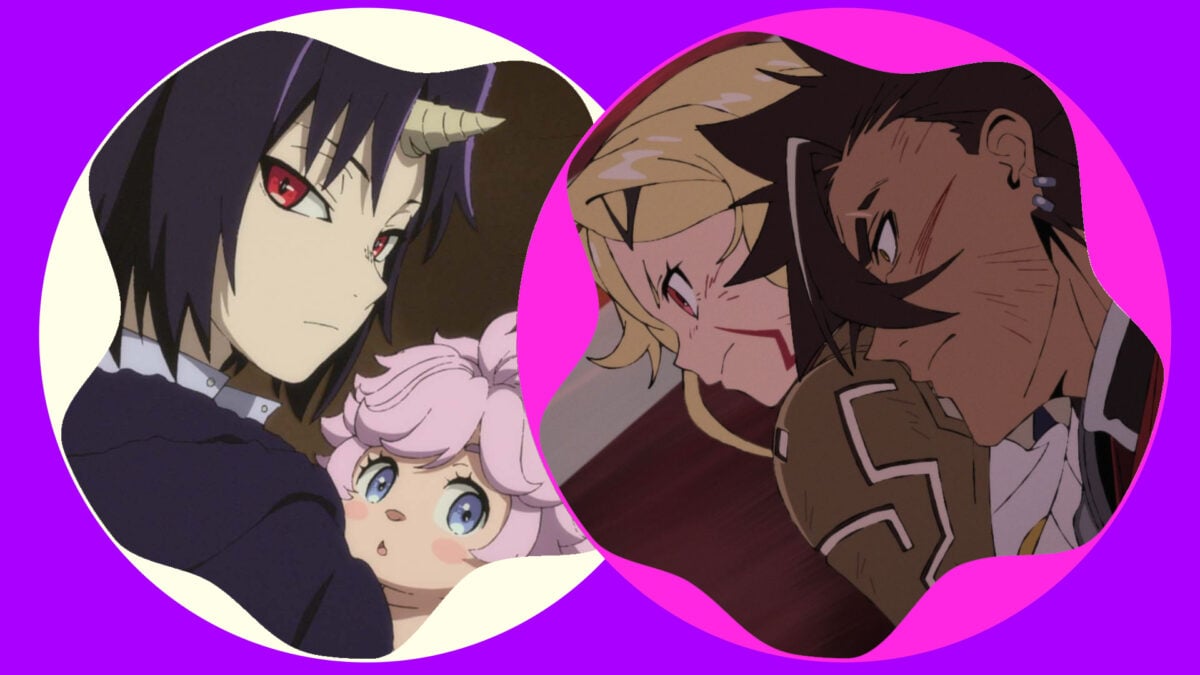
दो डार्क फैंटेसी सीरीज़ एक अलग तरह की भावनात्मक संतुष्टि की तलाश में हैं
हाल के समय में फैंटेसी एनीमे की कोई कमी नहीं रही है, लेकिन दो नई सीरीज़ इस वजह से अलग दिखती हैं कि वे रूखे, अंधकारमय सौंदर्यबोध को एक अनपेक्षित रूप से गर्म भावनात्मक आधार के साथ मिला देती हैं। हाल ही में प्रकाशित एक लेख में, Gizmodo ने Sentenced to Be a Hero और Clevatess को ऐसे एक्शन-प्रधान डार्क फैंटेसी शो के रूप में रेखांकित किया जो गलती से एक बच्चे को गोद लेने के इर्द-गिर्द भी घूमते हैं। यह प्रस्तुति पहली नज़र में मज़ाक जैसी लग सकती है, लेकिन यह इस ओर इशारा करती है कि इस शैली के कुछ हिस्से किस दिशा में बढ़ रहे हैं।
इन प्रस्तुतियों को चिंतनशील फैंटेसी ड्रामा के रूप में नहीं रखा गया है। Gizmodo इन्हें शैली के आनंददायक, ऊर्जावान पक्ष के करीब रखता है, और तर्क देता है कि दोनों सीरीज़ शुद्ध दुख में नहीं बदल जातीं। इसके बजाय, लेख बताता है कि हर शो फाउंड-फैमिली की गतिशीलता का उपयोग उस दृश्य और विषयगत कठोरता को संतुलित करने के लिए करता है जो अक्सर डार्क फैंटेसी को परिभाषित करती है। यही विरोधाभास मुख्य बिंदु प्रतीत होता है: हिंसा, खतरा और सर्वनाशकारी दांव स्क्रीन पर मौजूद रहते हैं, लेकिन उनके साथ देखभाल, हास्य-समय और अनिच्छुक भावनात्मक जुड़ाव भी जुड़ते हैं।
यह संयोजन समझाता है कि ये शीर्षक क्यों समयानुकूल लगते हैं। फैंटेसी एनीमे वर्षों से कई प्रमुख मूडों से गुज़रा है, जिनमें कठोर वीर संघर्ष, गेम-जैसी क्वेस्ट संरचना और आत्मविश्लेषी चरित्र-यात्राएँ शामिल हैं। इन दो शो में जो बात समान दिखती है, वह है डार्क फैंटेसी के तमाशे को बनाए रखते हुए उसकी भावनात्मक सीमा का विस्तार करने का प्रयास। कोमलता को एक अलग शैली-मार्ग मानने के बजाय, वे इसे सीधे एक्शन-कथाकथन की मशीनरी में शामिल करते हैं।
Gizmodo इस प्रवृत्ति को कैसे प्रस्तुत करता है
Gizmodo एनीमे की मौजूदा प्रमुख लहर को बड़े पैमाने पर फैंटेसी से प्रभावित बताता है, और इन दो उदाहरणों तक आते-आते शैली की व्यापक लोकप्रियता का हवाला देता है। यह तुलना उपयोगी है क्योंकि यह Sentenced to Be a Hero और Clevatess को भीड़भाड़ वाले क्षेत्र में रखती है। बात यह नहीं है कि वे प्रचलन में मौजूद एकमात्र महत्वाकांक्षी फैंटेसी एनीमे हैं, बल्कि यह कि वे एक सरल डार्क-फैंटेसी फ़ॉर्मूले को स्वीकार करने से इनकार करके अपनी अलग पहचान बनाते हैं।
लेख कहता है कि कुछ दर्शक शुरुआत में इन शो की तुलना पुराने, कठोर फैंटेसी मानकों से कर सकते हैं, क्योंकि इनमें परिचित दृश्य तत्व हैं: खुरदरे नायक, विशाल तलवारें, और कुल मिलाकर उदास दुनिया। लेकिन Gizmodo का असली तर्क यह है कि ये सीरीज़ पहली छाप से अधिक चंचल कुछ कर रही हैं। वे गंभीरता की सतही भाषा उधार लेती हैं, लेकिन अपनी संरचना को अजीब जोड़ी और सरोगेट-परिवार की गतिशीलता पर आधारित करती हैं।
यह बदलाव इसलिए महत्वपूर्ण है क्योंकि यह दर्शकों द्वारा खतरे को समझने के तरीके को बदल देता है। सीधे डार्क फैंटेसी में खतरा अक्सर निराशा को और गहरा करने का औज़ार होता है। फाउंड-फैमिली फैंटेसी में, खतरा वह चीज़ भी बन जाता है जो देखभाल, दायित्व और भावनात्मक विकास को उजागर करती है। कहानी में एक बच्चा दांव बदल देता है। वह संवेदनशीलता लाता है, लेकिन साथ ही जिम्मेदारी, दिनचर्या और हास्य भी। ये तत्व एक हिंसक कहानी को उसकी धार खोए बिना अधिक लचीला बना सकते हैं।

Clevatess और राक्षस-संरक्षक का मोड़
इन दोनों सीरीज़ में, Gizmodo Clevatess के लिए कहीं अधिक कथानक विवरण देता है। Lay-duce द्वारा एनिमेटेड यह शो Alicia का अनुसरण करता है, जो तीन नायकों में से एक है और जिसे Clevatess को मारने का काम सौंपा गया है, जो राज्य के लिए खतरा बने पौराणिक अंधकारमय प्राणियों में से एक है। मिशन बुरी तरह विफल हो जाता है। Alicia पराजित होती है और विशेष रूप से नाटकीय तरीके से आकाश में उछाले जाने के बाद मर जाती है, और फिर उसी प्राणी द्वारा जीवित कर दी जाती है जिसे वह नष्ट करने आई थी।
Gizmodo के अनुसार, कारण श्रृंखला के केंद्रीय उलटफेर में निहित है: राज्य को नष्ट करने के बाद, Clevatess एक अपहृत नवजात शिशु को पालने में रुचि लेने लगता है, जो संयोग से वह राजकुमार है जो दुनिया को बचाने के लिए नियत है। यह आधार ही बताता है कि यह शो ध्यान क्यों खींचता है। यह एक राक्षस को संरक्षक में, एक नायक को अनिच्छुक सह-माता-पिता में, और भविष्यवाणी-आधारित फैंटेसी सेटअप को कुछ अजीब घरेलू रोमांच के करीब बदल देता है।
Gizmodo कहता है कि यह सीरीज़ बॉडी हॉरर, तीखे स्वर-परिवर्तनों, और एक बढ़ते हुए समूह कलाकारों के साथ एक फाउंड-फैमिली कहानी में विकसित होती है, जिसमें एक हाफ-ऑर्क धाय भी शामिल है। उतना ही महत्वपूर्ण यह है कि लेख ज़ोर देता है कि शो मज़ेदार है। यहाँ हास्य को एक गौण बात नहीं माना गया; यह उसी चीज़ का हिस्सा है जो Clevatess को केवल डार्क फैंटेसी भर रहने के जाल से बचने में मदद करती है। यहाँ तक कि Clevatess का बालरूप लेना और Alicia की अधिक कोमल प्रवृत्तियों के सामने एक चिड़चिड़ा सीधा आदमी बन जाना भी ऐसे शो की ओर इशारा करता है जो सरल निराशा के बजाय स्वर-संघर्ष पर टिका है।
Sentenced to Be a Hero और उच्च-गति फैंटेसी का आकर्षण
हालाँकि दिए गए पाठ में Gizmodo Sentenced to Be a Hero के बारे में कम कथानक-सार देता है, फिर भी इसे Clevatess के साथ रखना अर्थपूर्ण है। लेख दोनों सीरीज़ को एक्शन-प्रधान और डार्क फैंटेसी-स्वर वाली बताता है, और साथ ही उन्हें ऐसे कथानकों के उदाहरण के रूप में समूहित करता है जो गलती से एक बच्चे को अपने साथ ले लेते हैं। इतना जानना ही संपादकीय तर्क समझने के लिए पर्याप्त है: ये ऐसी कृतियाँ हैं जो शैली से अपेक्षित ताकत और गति देती हैं, लेकिन अपनी भावनात्मक धुरी को देखभाल की गतिशीलता के माध्यम से नरम करती हैं।
Gizmodo यह भी सुझाता है कि ये शो पुराने कठोर महाकाव्यों के शुद्ध उत्तराधिकारी होने के बजाय चंचलता-प्रधान फैंटेसी हिट्स पर एक मोड़ की तरह काम करते हैं। यह framing उनकी एक्शन-क्षमता को कम नहीं करती। इसके बजाय, यह एक मिश्रित सूत्र की ओर इशारा करती है, जहाँ युद्ध-तमाशा और भावनात्मक गर्माहट परस्पर निर्भर हैं, विरोधी नहीं। यदि फैंटेसी एनीमे कभी-कभी “गंभीर” हिंसक दुनियाओं और अधिक चंचल साहसिक ढाँचों में बँटा रहा है, तो ये शो केवल एक को चुनने से इनकार करके फलते-फूलते दिखते हैं।

यह दो शीर्षकों से आगे क्यों मायने रखता है
सांस्कृतिक विकास के रूप में ये सीरीज़ देखने लायक क्यों हैं, यह सिर्फ़ इतना नहीं कि वे अपने दम पर मनोरंजक हैं या नहीं। बात यह है कि वे ऐसी शैलीगत मिश्रणों की व्यापक भूख को दर्शाती हैं जो तीव्रता को बनाए रखते हुए उसे निराशावाद तक सीमित नहीं होने देतीं। दर्शक अब भी पैमाना, खतरा और शैलीबद्ध हिंसा चाहते हैं, लेकिन उन कहानियों के लिए भी जगह बढ़ रही है जहाँ भावनात्मक लगाव को कमजोरी के रूप में नहीं दिखाया जाता।
गलती से माता-पिता बन जाने वाला सेटअप कई माध्यमों में एक लचीला कथात्मक इंजन बन गया है क्योंकि यह तुरंत संबंधगत दांव पैदा करता है। एनीमे में, जहाँ दुनियाएँ और शक्ति-प्रणालियाँ बहुत तेज़ी से जटिल हो सकती हैं, एक बच्चा व्याख्या-भार को कम कर सकता है और उद्देश्य को स्पष्ट कर सकता है। किसी की रक्षा करना समझने योग्य है। देखभाल करना सीखना परिवर्तनकारी है। एक क्षतिग्रस्त या अनिच्छुक नायक में निवेश करना आसान हो जाता है जब जिम्मेदारी उसे बदलने के लिए मजबूर करती है।
Gizmodo की रिपोर्टिंग के आधार पर, Sentenced to Be a Hero और Clevatess डार्क फैंटेसी के भीतर से ही इस गतिशीलता का उपयोग करते हैं, उसके बाहर से नहीं। वे शैली के हथियारों, राक्षसों या विनाशकारी परिवेशों को छोड़ नहीं रहे हैं। वे यह परख रहे हैं कि यह शैली और कितना कुछ समेट सकती है। यदि यह दृष्टिकोण आगे भी प्रतिध्वनित होता रहा, तो इन शो को अलग-थलग जिज्ञासाओं की तरह नहीं, बल्कि एक ऐसे फैंटेसी क्षण के संकेतकों की तरह याद किया जा सकता है जिसमें कोमलता वह चीज़ नहीं रही जिसके लिए एक्शन को रुकना पड़ता था, बल्कि स्वयं एक्शन का हिस्सा बन गई।
यह लेख Gizmodo की रिपोर्टिंग पर आधारित है। मूल लेख पढ़ें.
Originally published on gizmodo.com