Researchers Turn a Cancer Growth Advantage Into a Potential Liability
A University of Helsinki research team says an aggressive form of breast cancer may carry a built-in metabolic weakness that could be exploited with combination therapy. The work focuses on MYC, a cancer-linked protein whose overactivity is common across tumors but has long resisted direct drug targeting. Instead of trying to hit MYC itself, the researchers investigated how the protein reshapes the way cancer cells generate and use energy.
The result is a preclinical finding with a clear logic: when MYC activity is high, some cancer cells appear to become unusually dependent on a narrow fuel pathway. That dependence may create a vulnerability that combination drugs can exploit. In mouse models, the team reported that pairing one investigational drug that inhibits energy production with another that blocks glutamine uptake significantly slowed breast cancer growth.
The study was published in Cell Reports, according to the supplied source material. While the work remains early and has not been tested in human patients, it adds to a growing body of cancer research aimed at attacking tumors through the metabolic constraints created by their own survival programs.
Why MYC Has Been Such a Difficult Target
MYC is one of the best-known and most intensively studied molecules in cancer biology. Its importance comes from how broadly it influences cell behavior, including growth, division, and metabolism. The source text says MYC is overactive in more than 70% of all cancers, which helps explain why scientists have pursued it for years as a possible therapeutic target.
The problem is that MYC itself has been hard to drug directly. Rather than functioning like an easily blocked enzyme or receptor, it has remained one of the more elusive targets in oncology. That has pushed researchers toward an alternative strategy: identify what MYC forces cancer cells to rely on, then intervene downstream where the biology may be more tractable.
The Helsinki team followed that route by looking at energy metabolism. Their central finding is that breast cancer cells with high MYC concentrations showed unusually hard-working mitochondria, the cell structures responsible for producing usable energy. In healthy cells, energy pathways can often shift depending on what nutrients are available. But in these MYC-driven cancer cells, that flexibility appeared reduced.

A Fuel Dependency That Could Be Exploited
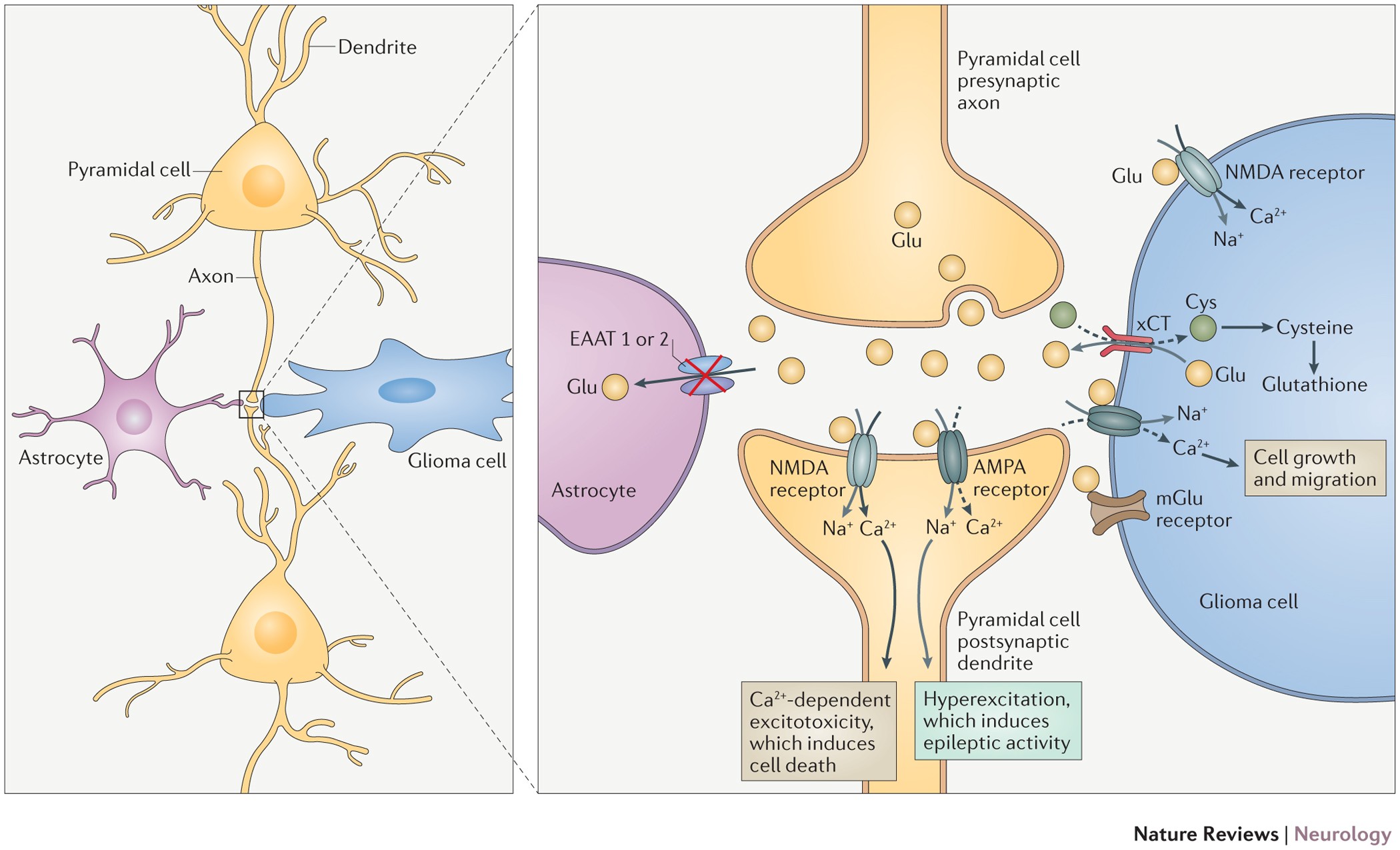
According to the source material, the researchers found that cancer cells with strong MYC expression became locked into dependence on glutamine. Glutamine is an amino acid that cells can use as a fuel and as a building block for growth-related processes. In normal physiology it plays many roles, but in cancer research it is often studied as a metabolic lifeline that certain tumors lean on more heavily than healthy tissue does.
The significance of the finding lies in the contrast between adaptability and rigidity. Healthy cells can switch energy sources more readily. The MYC-heavy cancer cells described in the study appeared less able to do that, making them more vulnerable if their preferred pathway is blocked. In the researchers’ framing, the tumor cells had effectively created a trap for themselves by becoming overcommitted to one metabolic state.
That is the kind of weakness drug developers look for. A cancer’s strength often becomes a problem when it narrows the number of biological routes the cell can use to survive. If a tumor becomes exceptionally efficient in one pathway, it may also become unusually fragile when that pathway is interrupted.
The Combination Therapy Approach
The experimental strategy used in the study involved two investigational drugs with complementary functions. One interfered with energy production. The other blocked glutamine uptake, limiting access to the fuel source the MYC-driven cells appeared to need most. In mice, the combination significantly slowed tumor growth, according to the source text.
That result does not mean a therapy is ready for clinical use. Preclinical success, especially in cell cultures and rodent models, often fails to translate cleanly to patients. Tumors in the human body are more complex, can adapt differently over time, and may respond in ways that are not captured fully in laboratory systems. Drug tolerability is also a major issue whenever metabolism is being targeted, because normal tissues need energy pathways too.

Still, the mechanism is notable. This was not a broad claim that starving cancer works in general. It was a more specific proposal: tumors with elevated MYC activity may have a distinctive metabolic signature, and that signature might help identify which cancers are most likely to respond to a targeted combination approach.

What It Could Mean for Personalized Cancer Treatment
The study’s practical value may be less about a single drug pair and more about patient selection. If MYC activity can be measured reliably in tumors, it could become part of a strategy for matching treatments to metabolic traits rather than only to tumor location or standard pathology categories. The source text points in that direction by describing the findings as a possible step toward more personalized treatment.
That matters because breast cancer is not one disease. It includes multiple subtypes with different molecular drivers, prognoses, and treatment responses. A therapy designed around MYC-linked metabolism would be most useful if clinicians could identify the subset of patients whose tumors actually depend on that pathway. In that scenario, MYC would function not just as a difficult target, but as a marker that helps reveal exploitable biology elsewhere.
The research also fits a wider trend in oncology: moving beyond the search for direct inhibitors of every important cancer gene and instead mapping the vulnerabilities those genes create. Some oncogenes are hard to attack head-on, but they still force cells into patterns of behavior that can be interrupted indirectly.
An Encouraging but Early Result
The researchers themselves appear to be careful about the limits of the work. The findings, as supplied, come from cell culture and rodent experiments and have not yet been extended to human patients. That distinction is critical. Many promising cancer ideas remain hypotheses until clinical studies show not only that a treatment can shrink tumors, but that it can do so safely and more effectively than existing options.
Even with that caution, the study gives oncologists and drug developers a sharper picture of MYC-driven cancer biology. It suggests that one of the field’s most notorious hard-to-hit drivers may still be clinically useful, not because it can be directly shut down, but because it leaves tumors metabolically exposed. If later studies confirm that exposure in patients, MYC could help guide a more selective form of metabolic therapy.
Key Points
- Researchers studied aggressive breast cancer cells with high MYC activity.
- Those cells showed increased mitochondrial activity and dependence on glutamine.
- A two-drug investigational combination slowed tumor growth in mice.
- The findings are preclinical and have not yet been tested in human patients.
- The work may support more personalized treatment strategies for MYC-driven cancers.
This article is based on reporting by Medical Xpress. Read the original article.

Originally published on medicalxpress.com