The Headline Result
Nature Medicine has published a phase 1 trial evaluating an adeno-associated virus (AAV) gene therapy that delivers the Padua variant of factor IX to adolescent patients with hemophilia B. According to the journal's published summary of the work, the therapy was well tolerated in the participants studied. The paper carries a DOI of 10.1038/s41591-026-04636-8 and appeared online on 16 September 2026.
The summary available at publication is deliberately brief. It identifies the study as a single-arm phase 1 trial, names the therapeutic approach, and reports the tolerability signal. Details that specialists would immediately ask about — how many adolescents were treated, what vector doses were used, how long patients have been followed, and what changes in factor IX activity or bleeding frequency were observed — are not captured in the headline description. That gap is worth stating plainly, because early-phase tolerability announcements and full efficacy results are very different kinds of evidence.
Why Hemophilia B Is a Favored Target
Hemophilia B is an inherited bleeding disorder caused by a shortage or defect of factor IX, a clotting protein produced in the liver. People with the condition bruise easily, bleed into joints and muscles, and can experience spontaneous bleeding that requires replacement therapy. The standard of care has long centered on infusions of factor IX concentrates, given on a schedule or on demand.
Several features make hemophilia B unusually attractive to gene therapists:
- The condition results from a defect in a single gene, so correcting one deficiency is the entire therapeutic goal.
- Factor IX circulates in the bloodstream, meaning a corrected liver cell can secrete the protein into the general circulation rather than needing to repair a specific tissue locally.
- Bleeding risk is dose-responsive: even partial restoration of factor IX activity can reduce bleeding episodes, so the threshold for clinical benefit may be lower than for many other genetic diseases.
- Patients can be monitored with relatively straightforward blood tests, giving investigators clear biomarkers to follow.
That combination has made hemophilia B one of the most crowded and most closely watched arenas in gene therapy, with multiple programs testing whether a one-time infusion can replace lifelong protein replacement.
The Padua Variant and Why It Matters
The vector described in this trial does not carry an ordinary factor IX sequence. It carries the Padua variant, a naturally occurring version of the factor IX gene identified in a patient with an unusually mild clinical course despite low circulating antigen levels.
The practical appeal of the Padua variant is potency. Because the protein produced from this sequence has heightened clotting activity relative to the standard form, a lower level of gene expression may achieve the same functional benefit. In gene therapy terms, that is a meaningful efficiency gain: it allows researchers to aim for therapeutic factor IX activity while reducing the amount of vector that must be administered, which in turn may reduce the immunological strain of the treatment. The variant has therefore become a common design choice across hemophilia B gene therapy programs.
AAV as the Delivery Platform
Adeno-associated viruses are the dominant delivery vehicle in modern gene therapy for several reasons. They are non-pathogenic in humans, they can persist in target cells for years, and they can be engineered to carry a therapeutic gene while stripping out the viral sequences responsible for replication.
The trade-off is that AAV vectors cannot integrate reliably at a chosen site and generally remain as episomal DNA, and their packaging capacity is limited — a constraint that makes a compact, high-potency transgene like Padua factor IX particularly useful. The immune system also remains a central consideration: because AAV capsids and the transgene product are foreign to the patient, the body may mount responses against either, and trials typically monitor liver enzymes and immune parameters closely, sometimes using short courses of immunosuppression around the infusion.
In a phase 1 study, tolerability is not a secondary consideration — it is the primary question. Reporting that a therapy was well tolerated in adolescents is the specific statement this trial design was built to generate.

Why Adolescents Are a Distinct Group
Most hemophilia gene therapy experience to date has been in adults. Testing the approach in adolescents shifts several variables at once.
Adolescents are more likely to have accumulated fewer treatment-related complications and less joint damage than adults who have spent decades managing the disease. That could mean a better starting point for a one-time intervention, and it raises the long-term stakes: a therapy given at fourteen or fifteen needs to hold up for many decades, not just a few years.
Their immune systems may also respond differently to vector exposure than those of older adults, and their livers — the target organ for factor IX production — are at a different developmental stage. Growth is another consideration: as body mass increases, the same amount of factor IX production produces a lower effective concentration in the bloodstream, and it is not yet established how durability behaves across adolescent growth and into adulthood. These are questions the field has only begun to answer.
What a Single-Arm Phase 1 Trial Can and Cannot Show
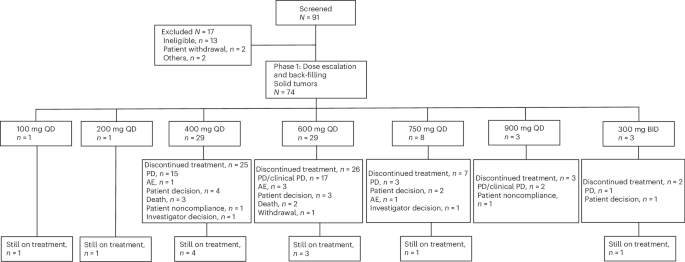
The design reported here is the earliest stage of clinical evaluation: a single-arm study with no placebo or comparator group, conducted with a small number of participants, with safety and tolerability as the leading objectives.
A trial of that shape can establish that the intervention did not produce unacceptable toxicity in the patients treated, and it can generate preliminary signals about biological activity. What it cannot do is prove efficacy. Without a control group, improvements in bleeding rates or factor IX levels are difficult to attribute definitively to the therapy, and small sample sizes mean rare but serious adverse events may not surface until much larger populations are exposed. Results from such studies are hypotheses to be tested, not conclusions to be applied at the bedside.

Open Questions the Headline Does Not Answer
For patients and clinicians, the questions that matter most sit just beyond what the current summary contains:
- How long does factor IX expression persist, and at what activity level?
- Were there any immune responses to the vector, and how were they managed?
- Did participants reduce or stop their usual factor IX infusions?
- What dosing was used, and how does it compare with adult studies of similar vectors?
- Will the field eventually have adolescent-specific data on how the therapy behaves through growth and puberty?
Answers to these questions typically arrive with the full manuscript, longer follow-up windows, and subsequent cohort expansions.
What to Watch Next
The result adds to a broader pattern in gene therapy: the field is moving from asking whether a one-time treatment can be tolerated in adults to asking whether it can be delivered earlier, in younger patients, before disease complications accumulate. Each of those steps is more demanding than the last, because younger patients have more years in which a therapy can succeed — or fail.
For now, the signal from this trial is modest and specific: an AAV vector carrying the Padua variant of factor IX was administered to adolescents with hemophilia B and was tolerated well enough to proceed. Whether that translates into durable factor IX activity, fewer bleeds, and a genuinely different life course for patients diagnosed in childhood is the question the next phase of research exists to answer.
This article is based on reporting by Nature Medicine. Read the original article.
Originally published on nature.com