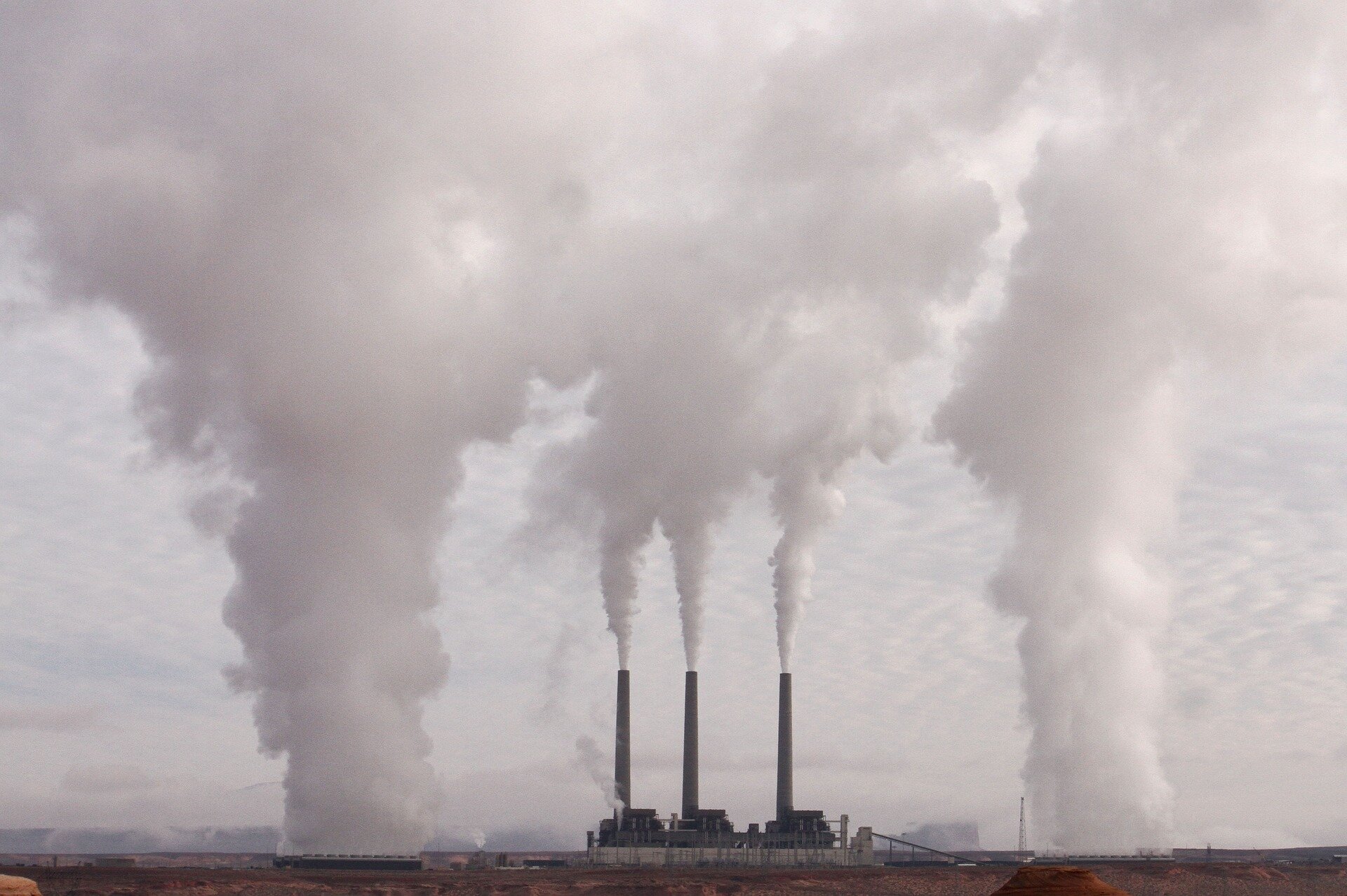
Fine particulate matter and nitrogen dioxide are already well known for their toll on the heart and lungs. A new synthesis of the global research literature suggests they may also belong on the agenda in a very different field: suicide prevention.
A pooled data analysis of 45 eligible studies, published online in the Journal of Epidemiology & Community Health, reports that exposure to air pollutants — especially the small particulates PM2.5 and PM10 and the traffic-related gas nitrogen dioxide (NO2) — appears to be linked to a heightened risk of death by suicide as well as suicidal thoughts.
Why Researchers Turned to Environmental Exposures
Suicide remains one of the largest sources of preventable death worldwide. According to figures cited in the study, more than 720,000 people die by suicide every year. That scale prompted the World Health Organization to build a Mental Health Action Plan with an explicit target: cutting the global toll by at least one third between 2013 and 2030.
The researchers argue that suicide prevention is fundamentally a public health problem, shaped by a tangle of individual, biological and contextual forces. Environmental exposure sits in that final category, and it has received far less attention than it might deserve.
Studies of how pollution affects mental health outcomes such as depression and anxiety are numerous and steadily accumulating. By contrast, the question of whether environmental factors influence suicide risk specifically has remained comparatively under-examined — a gap the new review was designed to help close.

How the Evidence Base Was Assembled
To build a stronger evidence foundation, the team set out to determine whether air, noise, light and water pollution, along with sociodemographic factors such as sex and income, might influence the risk of death by suicide and suicidal behaviors.
They searched research databases for relevant studies published in English between January 2010 and April 2024. From an initial group of 287 studies flagged for full-text review, 45 satisfied the eligibility criteria. Those 45 broke down by outcome:
- 33 investigations looked at death by suicide
- 7 looked at suicidal thoughts
- 5 looked at attempted suicide
The evidence also skewed heavily toward one type of exposure. By pollutant category, the studies divided as follows:
- 38 examined air pollution
- 3 examined water pollution
- 3 examined noise pollution
- 1 examined light pollution
For the analysis itself, results from 29 studies were combined into a pooled data analysis, while 16 were handled through a narrative review that summarizes existing evidence in text form. That two-track approach allowed the authors to quantify what could reasonably be pooled while still capturing the broader picture from studies that could not be statistically merged.
What the Pooled Data Showed
Air pollution produced the clearest signal in the review. According to the published findings, the following exposure windows were statistically significantly associated with suicide-related outcomes:
- Short-term exposure to PM2.5, drawn from 13 studies
- Short-term exposure to PM10, drawn from 7 studies
- Long-term exposure to PM2.5, drawn from 6 studies
- Long-term exposure to NO2, drawn from 7 studies
In other words, the association did not depend on a single pollutant or a single timeframe. Both the fine particles that penetrate deep into the respiratory tract and the gaseous pollutant most closely tied to traffic emissions appeared in the significant results, and both acute and prolonged exposure windows mattered.
That consistency across pollutants and exposure durations is the core of the paper's significance. It suggests the pattern is not an artifact of one dataset or one study design, but rather something that recurs across a broad international body of work.
Shifting Pollution Into the Prevention Conversation
The researchers emphasize that their findings point toward a practical conclusion: environmental exposures should be treated as potentially modifiable risk factors within suicide prevention strategies.
That framing matters because the two sides of the equation are addressed very differently in policy. Suicide prevention efforts typically concentrate on clinical screening, crisis services, means restriction and social support. Air quality, meanwhile, is regulated through environmental and transportation policy. The new review implies these silos may be too separate.
Unlike genetic predisposition or many deep-rooted social determinants, air pollution is something that governments, industries and communities can act on directly. Emissions standards, traffic management, cleaner energy generation and monitoring networks are all levers that already exist. If even a fraction of suicide risk is sensitive to air quality, those levers could carry mental health benefits alongside the cardiovascular and respiratory gains already documented.
Limitations and Open Questions
Several cautions are worth keeping in view. The review is a synthesis of observational research, a design that can reveal associations but cannot by itself prove that pollution causes suicidal thoughts or behavior. Confounding is a persistent challenge: air pollution clusters with poverty, dense housing, limited green space and constrained access to care, all of which independently influence mental health.
The evidence base is also uneven. With 38 of 45 studies focused on air pollution, the cases for water, noise and light pollution rest on only a handful of investigations each and remain far weaker. Restricting the search to English-language publications may additionally narrow the geographic range of the evidence.
Meanwhile, the inclusion of sociodemographic variables such as sex and income signals that the researchers were looking for effect modification — the possibility that pollution hits some populations harder than others. Understanding who is most vulnerable would be essential for translating these findings into targeted public health action.

The Bottom Line
This pooled analysis adds a mental health dimension to an environmental story that is usually told in terms of lungs and hearts. The link between PM2.5, PM10 and NO2 exposure and elevated suicide risk appeared across short- and long-term exposure windows and across many independent studies. The authors' central message is that cleaner air may be more than an environmental goal.
This article is based on reporting by Medical Xpress. Read the original article.
Originally published on medicalxpress.com


00059-7/asset/4cbe94fb-e0c0-468a-b4fb-2f4f4b6116b9/main.assets/gr3a_lrg.jpg)