
Large cohort study finds higher cataract risk
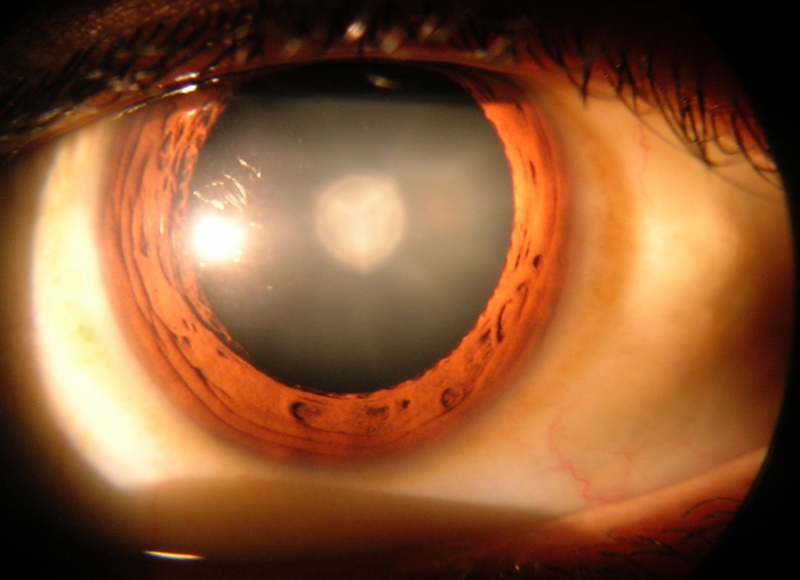
People with psoriasis had higher risks of developing cataracts and undergoing cataract surgery in a retrospective cohort study reported in the Journal of Dermatology. The findings add an eye-health consideration to the long-term management of a chronic inflammatory skin disease.
Researchers compared 61,622 people newly diagnosed with psoriasis with an equal number of non-psoriasis controls matched by age, sex and index year. According to the report, psoriasis was associated with an adjusted hazard ratio of 1.32 for cataract and 1.41 for cataract surgery.
Results were broadly consistent across groups
The associations were generally consistent when researchers examined subgroups defined by age, sex and the presence of psoriatic arthritis. That does not establish that psoriasis directly causes cataracts, but it identifies a measurable association in the studied population.
The research team also conducted a nested case-control analysis among people with psoriasis. It compared patients who developed cataracts or underwent cataract surgery with other psoriasis patients who did not experience those outcomes.

Treatment patterns differed in the analysis
In that nested analysis, psoralen plus ultraviolet A phototherapy and ultraviolet B phototherapy were associated with increased odds of cataract. The reported adjusted odds ratios for cataract were 1.88 for psoralen plus ultraviolet A and 1.22 for ultraviolet B, without a clear dose-response relationship.
Systemic treatments showed a different association. Biologics or Janus kinase inhibitors were associated with lower odds of cataract, as were conventional disease-modifying antirheumatic drugs. The report described similar patterns for cataract surgery.
What patients should take from the findings
Because this was an observational retrospective study, its results should not be treated as proof that a particular treatment raises or lowers an individual patient’s cataract risk. Treatment decisions involve disease severity, benefits, risks and other health factors.
Still, the study supports attention to eye symptoms and routine clinical follow-up for people with psoriasis. Patients should discuss any questions about vision changes, phototherapy exposure or medication choices with their treating clinicians rather than changing treatment on the basis of the findings alone.
This article is based on reporting by Medical Xpress. Read the original article.

Originally published on medicalxpress.com


