Disaster exposure was linked to different long-term drinking patterns
People living through disasters do not all follow the same path in the years that follow. A new study of Gulf Coast residents found four distinct patterns of alcohol use over nine years, with those patterns connected to changes in depression and health anxiety.
The research, published in Alcohol: Clinical and Experimental Research, followed 941 people who had experienced several major disruptions: the Deepwater Horizon oil spill, catastrophic hurricanes and the COVID-19 pandemic. Researchers repeatedly asked participants about alcohol use, mental health and health anxiety.
The results point away from a one-size-fits-all account of disaster recovery. Instead, they show that alcohol use can remain high, remain low, rise or fall over time—and that those trajectories are associated with different mental-health changes.
Four groups emerged over nine years
About half of participants were classified in an “elevated stable” group, meaning their alcohol use stayed consistently high during the study. Roughly one-third fell into a “low stable” group with consistently low alcohol use.
The remaining participants were split between two smaller groups, each representing about one in 10 people studied. One began with alcohol use similar to the elevated-stable group but reduced use over time. The other started at levels similar to the low-stable group and increased use as the years passed.
That distribution matters because it highlights both persistence and change. For many participants, alcohol-use levels did not shift substantially across the observation period. But a meaningful minority moved in opposite directions, suggesting that broad averages can hide people whose needs evolve after a disaster.
- Elevated stable: consistently high alcohol use.
- Low stable: consistently low alcohol use.
- Decreasing drinking: initially higher alcohol use that declined.
- Increasing drinking: initially lower alcohol use that rose.

Depression and health anxiety did not move in the same way
The study linked elevated-stable and increasing alcohol-use patterns with worsening depression. Participants whose drinking remained elevated, as well as those whose drinking increased over time, showed that association as the study progressed.
Health anxiety followed a different pattern. It increased over time among people in the elevated-stable and decreasing-drinking groups. The finding underscores that reduced alcohol use does not necessarily mean every psychological consequence of disaster exposure has eased. Different measures of wellbeing can change independently, and a person’s risk profile may not be captured by drinking levels alone.
The researchers’ central message is therefore not simply that disaster exposure is associated with alcohol use. It is that the relationship between behavior and mental health is varied, long-running and shaped by individual differences.
The kind of disruption may matter
Exposure to the Deepwater Horizon oil spill and to COVID-19 disruptions was significantly associated with drinking patterns in the study. The report notes that these events were less predictable and were marked by social isolation and mistrust, factors that may contribute to changes in alcohol use.
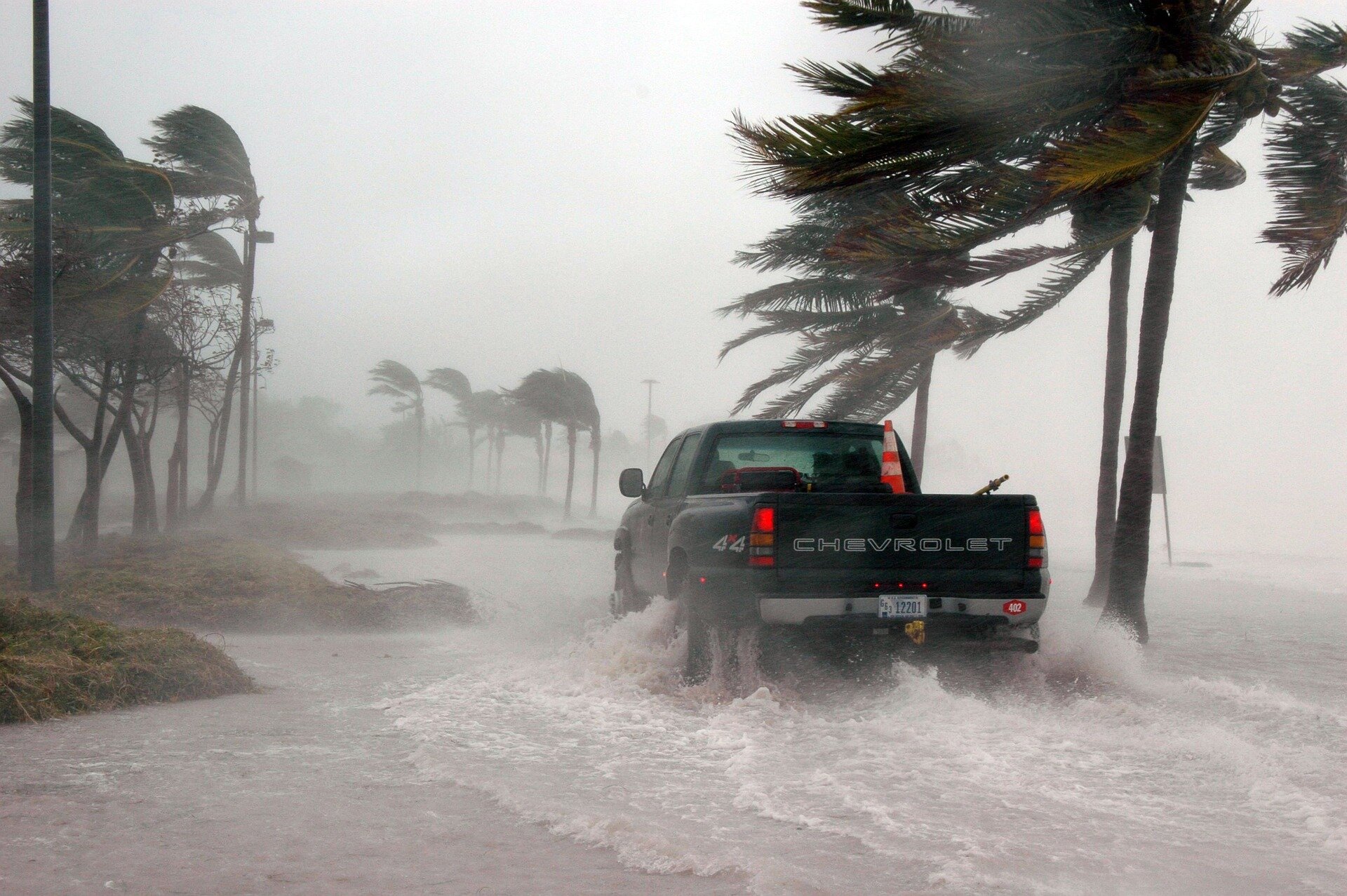
That contrasts with the social dynamics described for hurricanes. After natural disasters such as hurricanes, communities may come together to provide support and rebuild. The study does not suggest that hurricanes are without lasting harm; rather, it identifies a potentially important difference in how different types of disruption are experienced and responded to over time.
For practitioners and policymakers, the distinction is consequential. A response designed around the immediate aftermath of a storm may not address the sustained uncertainty, isolation or mistrust associated with other crises. The study’s nine-year period also reinforces that recovery is not confined to the first weeks or months after an event.

A case for tailored support
The authors say interventions intended to prevent problem drinking after disasters should account for people’s particular mental-health profiles. The evidence supports focusing on trajectories rather than assuming that everyone exposed to the same event needs the same form of support at the same time.
Someone whose alcohol use rises gradually may need attention even if their initial use appeared low. Someone reducing alcohol use may still face increasing health anxiety. And people with persistently elevated use may require support that considers both alcohol-related risk and worsening depression.
The study does not present a single intervention as a solution. Its contribution is to identify durable differences among disaster-exposed people and to show why long-term follow-up matters. In a region affected by an oil spill, hurricanes and a pandemic within the same broad period, the findings offer a reminder that behavioral and mental-health effects can unfold on different timelines.
Disaster planning often focuses on preparing for an event and managing its immediate consequences. This research adds a longer view: the aftermath can continue to reshape mental health and alcohol use for years, and effective support must be able to recognize those different paths.
This article is based on reporting by Medical Xpress. Read the original article.
Originally published on medicalxpress.com