The Hidden Toll of Online Harassment
New research from the University of Edinburgh has added a critical piece to understanding how cyberbullying affects teenagers. According to a study published in the Journal of Affective Disorders, adolescents who experience online bullying are significantly more likely to face emotional and behavioral difficulties in the months that follow. The added risk is particularly pronounced when the bullying leaves teens feeling profoundly lonely and unable to manage their emotions effectively.
Cyberbullying has become a pervasive concern as digital communication dominates adolescent social life. Unlike traditional bullying, online harassment can follow young people into their homes, creating a relentless sense of threat. The new findings underscore that psychological consequences are not automatic but rather emerge through specific emotional pathways. Identifying these pathways offers a clearer direction for parents, educators, and mental health professionals seeking to intervene before problems escalate.
Inside the Study
The investigation followed 501 teenagers aged 15 to 18 from two senior high schools in China. The researchers selected China as a focus because of the high prevalence of cyberbullying reported there, making it an especially relevant setting for exploring the mechanisms at work. All participants completed validated questionnaires regarding their online experiences, including the European Cyberbullying Intervention Project Questionnaire, which measures the frequency and severity of cyberbullying victimization.
In addition to measuring experienced cyberbullying, the surveys assessed several psychological variables. Researchers measured loneliness, emotion regulation difficulties, self-esteem, and symptoms of emotional and conduct problems. After an initial assessment, participants completed the same measures again six months later. This longitudinal design allowed the team to observe how early cyberbullying experiences were associated with later mental health outcomes, while also illuminating which emotional responses acted as bridges between the two.
By using statistical modeling, the researchers could examine multiple potential mediators simultaneously. Rather than simply noting a correlation, they tested whether loneliness, emotion regulation, and self-esteem each played distinct explanatory roles. This approach yields stronger evidence about cause and effect than a snapshot survey, though the authors caution that observational studies cannot prove causality beyond a doubt.

Loneliness and Emotion Regulation Emerge as Key Drivers
The results revealed that loneliness and difficulties managing emotions were the most influential factors linking cyberbullying to subsequent emotional and conduct problems. In contrast, self-esteem issues appeared to carry less weight in the causal chain. This is a valuable distinction: many popular narratives around bullying focus on damaged self-esteem, but the data suggest that social connectedness and emotional coping deserve greater attention.
Feeling isolated after being targeted online can lead teens to withdraw from friends and family, deepening their distress. Simultaneously, an inability to regulate emotions may cause young people to experience overwhelming sadness, anger, or anxiety, which in turn manifests as behavioral difficulties at home or school. The study’s longitudinal design indicates these effects compound over six months, creating a downward spiral if left unaddressed.
The finding that emotion regulation is more important than self-esteem in this context may surprise some. However, it aligns with a growing body of research showing that modifiable skills—such as identifying feelings, tolerating distress, and reframing negative thoughts—can buffer against the worst outcomes of adversity. For adolescents whose brains are still developing these capacities, targeted support could be especially beneficial.
Why This Study Matters
The consequences of cyberbullying are felt far beyond the individuals directly involved. Previous global surveys suggest that about two-thirds of children worldwide report an increase in cyberbullying, and an alarming one in two say they do not know how to access appropriate support. These numbers highlight the urgent need for effective prevention and response strategies.
This study is among the first to systematically examine the mechanisms that connect online bullying with later mental health difficulties. By pinpointing loneliness and emotion regulation as central mediators, it gives professionals concrete targets for intervention. Instead of generic anti-bullying messages, programs can focus on fostering genuine social inclusion and teaching emotional skills.
China’s high cyberbullying prevalence makes the study particularly relevant to a nation grappling with the impact of digital life on youth. Yet the psychological processes under investigation are likely universal. Adolescents around the world face similar struggles with online harassment and the emotional turmoil it provokes.
Practical Steps for Parents and Educators
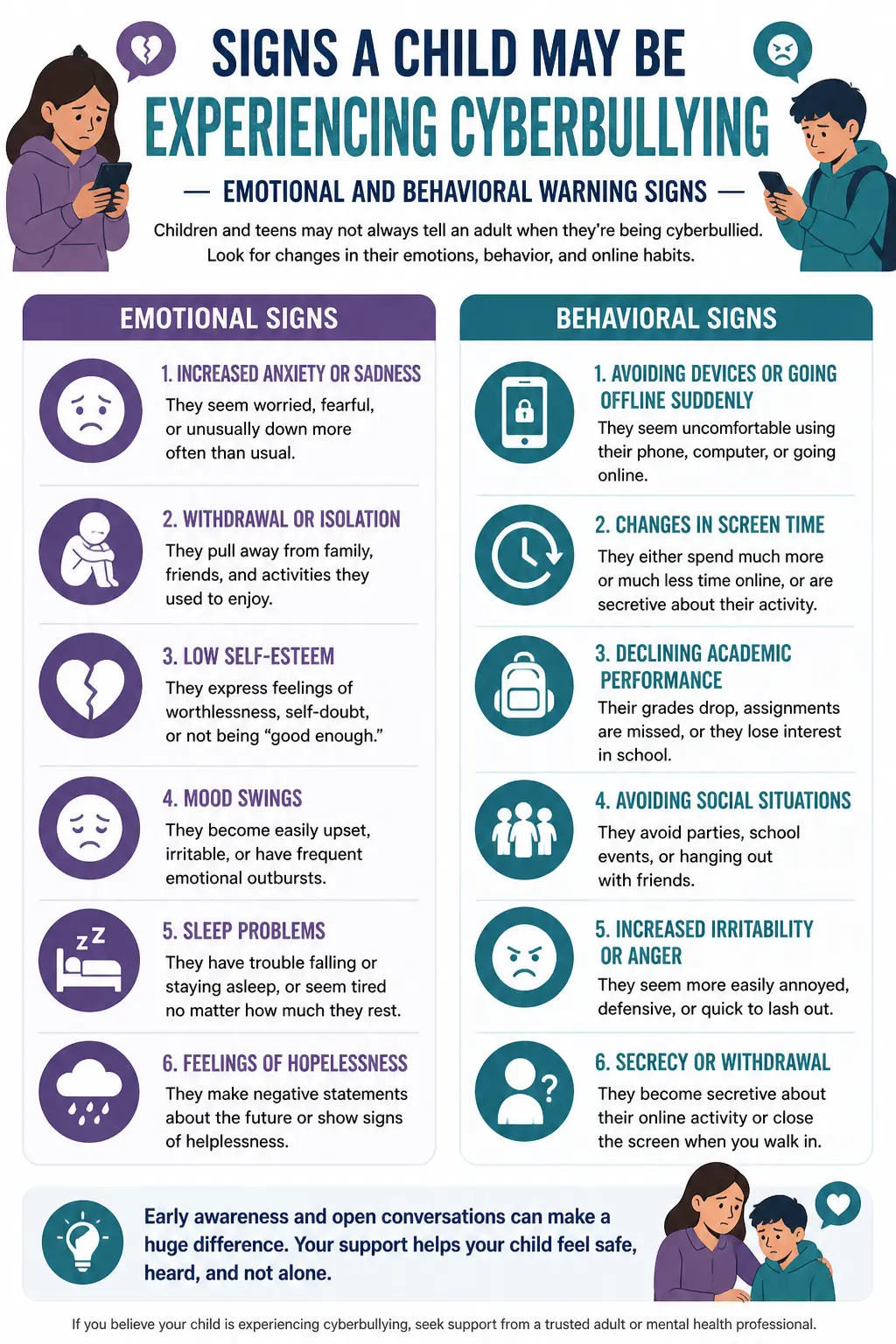
The findings suggest that immediate post-bullying support is crucial. Rather than assuming time will heal, adults should actively help teenagers rebuild social connections and learn to process difficult feelings. Based on the study, the following approaches may be effective:
- Encourage open conversations about online experiences so adolescents do not suffer in silence.
- Normalize feelings of loneliness and teach coping strategies for emotional discomfort.
- Help teens identify and name their emotions, which is a foundational skill for regulation.
- Create safe spaces in schools where students can connect with peers and trusted adults.
- Consider evidence-based programs that train teenagers in mindfulness or cognitive reappraisal.
These steps do not require highly specialized training. Parents can model healthy emotional expression, while teachers can integrate social-emotional learning into existing curricula. The key is to act quickly and consistently.
A Path Toward Resilience
While cyberbullying is a serious risk factor, this research offers reason for hope. Because loneliness and emotion regulation are dynamic psychological states, they can be changed. Targeted support that reduces isolation and enhances emotional skills may interrupt the slide toward more serious mental health problems.
Future research should explore whether interventions aimed at these mechanisms succeed in preventing the emotional and behavioral outcomes observed here. Also important is expanding the geographical scope to see if the same patterns hold in Western and other cultural contexts. For now, the message is clear: when teenagers are bullied online, responding with both social connection and emotional coaching can make a lasting difference.
This article is based on reporting by Medical Xpress. Read the original article.

Originally published on medicalxpress.com