Patients pursuing a demanding Alzheimer’s treatment were often missing lower-tech protective steps
Patients with early Alzheimer’s disease who sought treatment with lecanemab were frequently not following many of the lifestyle and health measures associated with better brain health, according to research from the Mass General Brigham Neuroscience Institute. The study suggests that interest in a high-intensity anti-amyloid therapy does not automatically translate into broader adherence to recommendations on exercise, sleep, diet, blood pressure control, and other modifiable factors linked to cognitive decline.
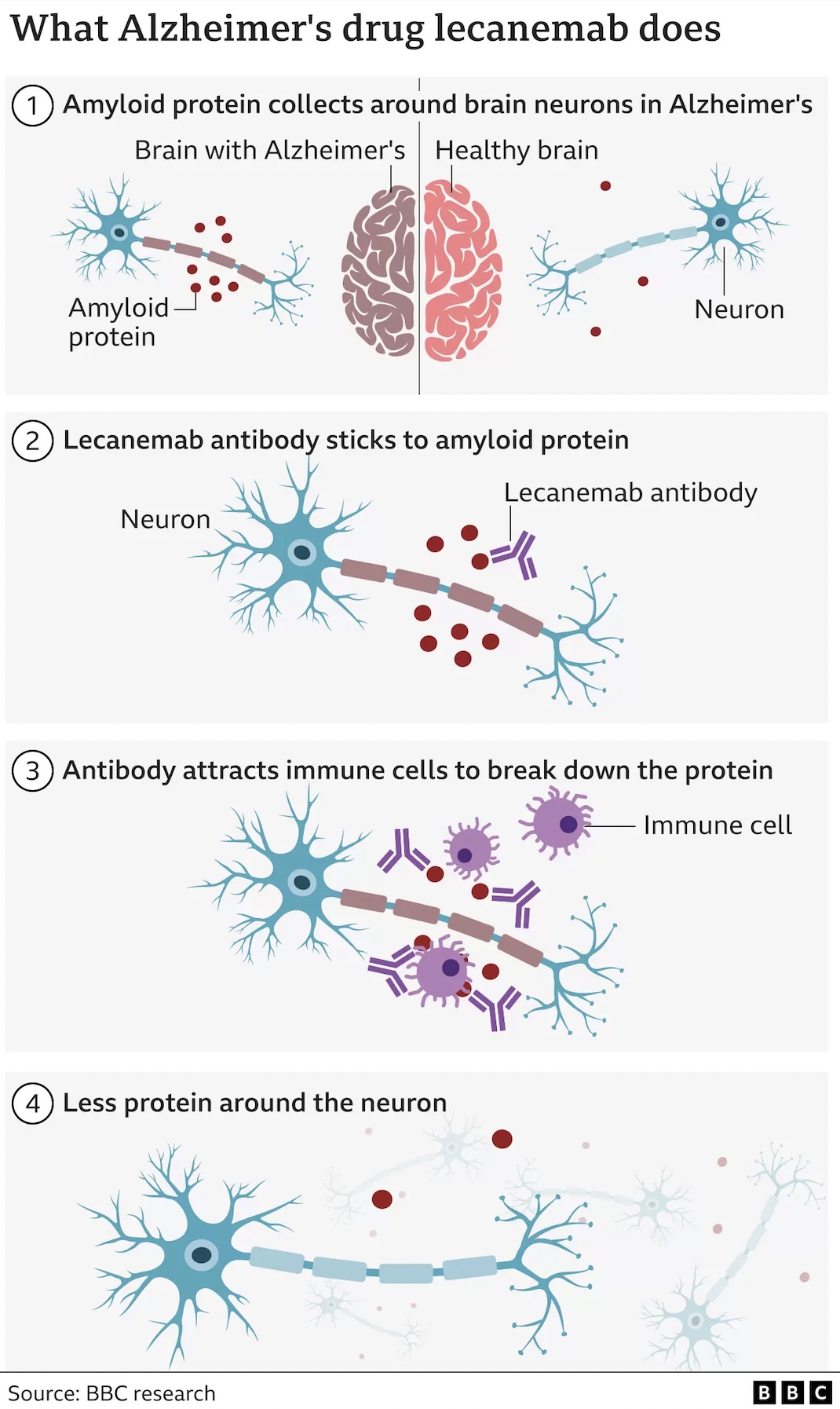
The finding matters because lecanemab is not a casual intervention. It is an anti-amyloid antibody medication that requires regular infusions and carries known risks. Researchers said they expected people willing to pursue that route might also be unusually motivated to improve every other factor within their control. Instead, the data pointed in the opposite direction: adherence to a wide set of brain-health recommendations was generally poor, and it was poor whether or not patients were pursuing anti-amyloid therapy.
What the study examined
The researchers looked at two groups of patients with mild cognitive impairment or mild dementia due to Alzheimer’s disease. One group included 150 patients seeking anti-amyloid antibody therapy. The comparison group included 117 patients with similar early-stage disease who were not pursuing that therapy.
To assess how well patients were following evidence-linked prevention and risk-reduction practices, the team used Brain Health Vital Signs, a framework developed by the investigators and colleagues to evaluate 15 potentially modifiable factors. Those factors cover areas that have increasingly been associated with lower risk of cognitive decline and dementia, including physical activity, healthy diet, sufficient sleep, social and cognitive engagement, control of blood pressure and blood sugar, good hearing and vision, and low alcohol use.
The broad conclusion was stark. Fewer than 3% of the studied patients followed all 15 recommendations the team examined. Among patients pursuing anti-amyloid therapy, more than a quarter were not optimally adhering to 11 of the 15 recommendations. More than half were not optimally adhering to four of the recommendations. The comparison group showed similarly low adherence, and the study found no significant difference between those seeking anti-amyloid treatment and those who were not.

Why that gap matters
The result highlights a persistent problem in dementia care: even when patients and families engage with specialized treatment pathways, the day-to-day health behaviors that may influence outcomes can remain inconsistent. Anti-amyloid drugs have drawn attention because they target one of the biological hallmarks of Alzheimer’s disease. But the study underlines that clinical treatment and risk-factor management are not substitutes for one another.
That is especially important because many of the recommendations assessed in the study are not speculative wellness advice. The source text describes a growing body of evidence linking adequate exercise, better sleep, heart-healthy eating, management of hypertension and blood sugar, and maintained sensory health with lower risk of cognitive decline. Those measures may not reverse Alzheimer’s disease, but they remain part of the larger effort to preserve function and reduce avoidable harms.
In that sense, the study is less about individual blame than about a systems-level mismatch. Patients may be entering advanced treatment conversations without receiving enough support to convert general advice into sustained habits. Regular infusions are structured and supervised. Sleep improvement, diet changes, blood-pressure control, and activity targets usually depend on long-term routines, follow-up, and coordination across neurology, primary care, and caregivers.
A signal for clinicians and health systems
The research points to a practical question for Alzheimer’s centers: if a patient is motivated enough to pursue lecanemab, how should that moment be used to reinforce other interventions that are still relevant? The study does not claim that poor adherence caused patients to seek or avoid anti-amyloid therapy. It also does not argue that lifestyle measures can replace medication. What it does show is that treatment intensity is not a reliable proxy for overall brain-health behavior.
That distinction matters for clinicians because patients entering anti-amyloid programs may appear highly engaged based on the complexity of the therapy alone. The findings suggest that assumption can be misleading. A patient may be willing to tolerate infusions every two weeks and accept treatment risk while still struggling with exercise, sleep, diet, or vascular-risk management.
For health systems, that implies a need to build structured support around modifiable risk factors rather than leaving them as background counseling. If less than 3% of patients in this early Alzheimer’s population met all 15 recommendations, the problem is unlikely to be solved by one more handout or brief reminder at the end of a specialist visit.

What the study does and does not say
The reported findings support a narrow but useful conclusion: adherence to recommended brain-health practices was low in this patient population, and the group pursuing lecanemab did not outperform those who were not. The source material does not claim that better adherence would change lecanemab eligibility, nor does it provide outcome data showing how adherence affected cognition over time. It also does not say which individual recommendations were hardest to follow beyond noting widespread nonoptimal adherence across the set.
Even with those limits, the study adds an important reality check to the treatment conversation around Alzheimer’s disease. Advanced therapies can reshape expectations, but they do not erase the need for basics that influence cardiovascular and metabolic health, daily function, and potentially long-term brain resilience.
The larger takeaway
As Alzheimer’s care becomes more technologically and biologically sophisticated, the study argues for keeping the standard public-health fundamentals in view. For patients, families, and clinicians, the message is not that anti-amyloid therapy lacks value. It is that the surrounding care environment still matters, and many patients are not yet getting from awareness to sustained action on the factors that remain modifiable.
That may be one of the more uncomfortable lessons of the lecanemab era. Motivation to seek cutting-edge treatment is real, but motivation alone does not guarantee follow-through on the everyday behaviors that brain-health guidance continues to emphasize. If the goal is comprehensive care, those basics may need much more deliberate attention than they currently receive.
This article is based on reporting by Medical Xpress. Read the original article.

Originally published on medicalxpress.com