
A possible new target in severe early-onset preeclampsia
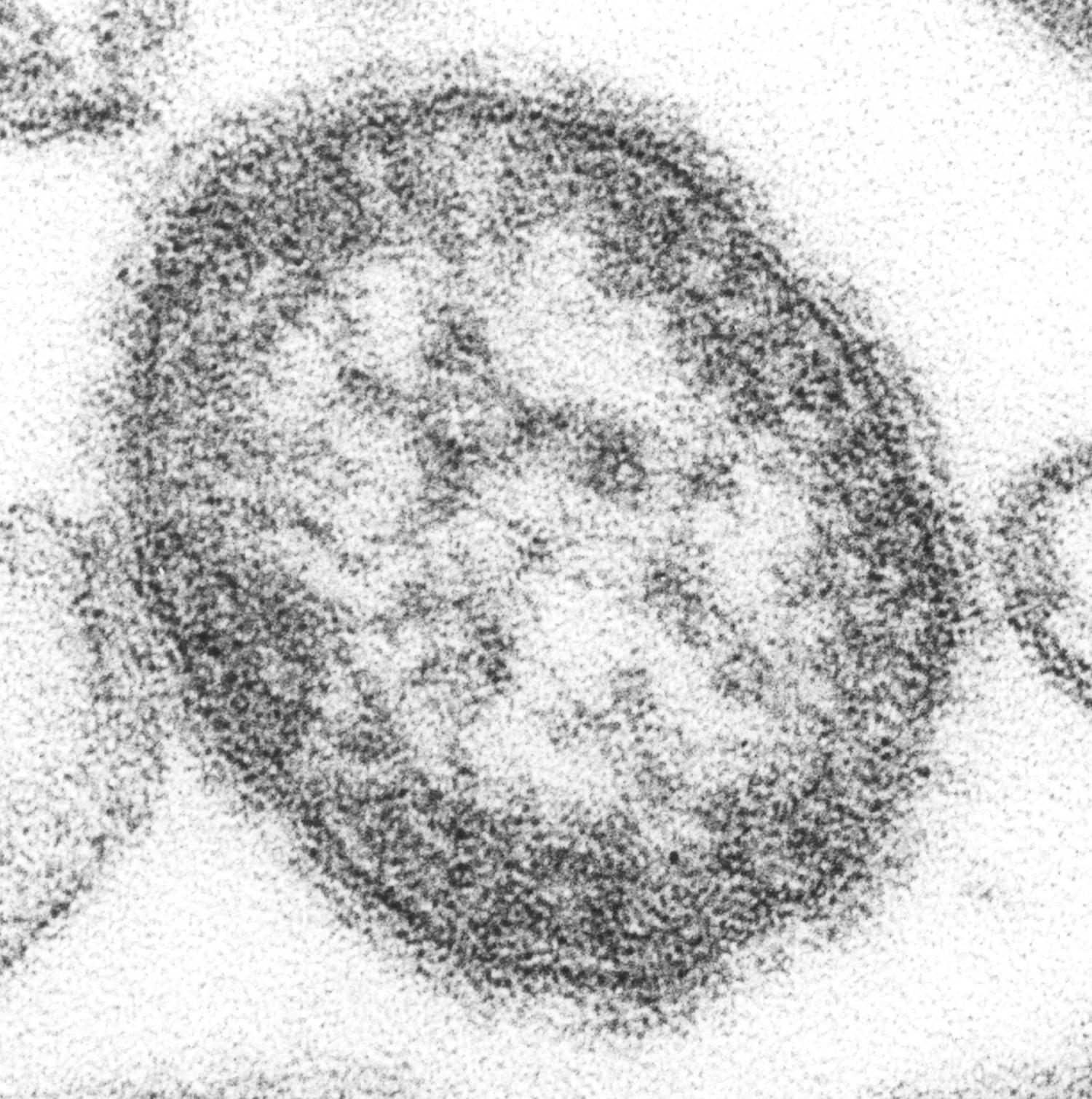
Researchers at Wright State University have identified a potential contributor to severe early-onset preeclampsia: elevated levels of circulating extracellular vesicles, tiny particles released by cells. Their findings suggest the particles may be involved in the blood-vessel dysfunction that accompanies the dangerous pregnancy complication.
Severe early-onset preeclampsia can arise as early as 20 weeks into pregnancy. It is associated with sharply elevated blood pressure and serious risks for both the pregnant patient and fetus. Preeclampsia develops in the placenta and is a leading cause of maternal and infant illness and death worldwide.
From observation to laboratory test
The Wright State team, led by Thomas L. Brown, reported that women with severe early-onset preeclampsia had substantially more circulating extracellular vesicles than women with healthy pregnancies. The research was published in Hypertension.

In laboratory testing, reducing extracellular-vesicle levels to the range seen in healthy pregnancies eliminated the blood-vessel dysfunction associated with preeclampsia. That result does not establish a treatment for patients, but it strengthens the case that the particles are more than a byproduct of the disease.
Brown said the finding points to a possible way to reduce endothelial dysfunction, a problem involving the cells that line blood vessels. In preeclampsia, dysfunction in this system is tied to high blood pressure and other potentially life-threatening complications.
Why the finding matters
Preeclampsia remains difficult to predict and manage, especially when it begins early in pregnancy. The new work offers a potential biological mechanism that could help researchers develop more targeted interventions.

The research also raises the prospect of approaches that lower circulating extracellular vesicles without relying solely on medication. However, the reported result comes from laboratory testing. Additional research will be needed to establish whether changing vesicle levels is safe, effective and practical in people with severe early-onset preeclampsia.
Questions that remain
The key next steps will be determining why extracellular-vesicle levels rise in affected pregnancies, which cells produce the relevant particles, and whether they can be safely reduced during pregnancy. Researchers will also need to test whether the relationship holds across broader patient groups and at different stages of the condition.
For now, the study provides a promising lead in a condition that has challenged clinicians for centuries. By connecting high levels of circulating extracellular vesicles with impaired blood-vessel function, it offers a defined target for further investigation rather than a broad description of a complex pregnancy disorder.
This article is based on reporting by Medical Xpress. Read the original article.

Originally published on medicalxpress.com


