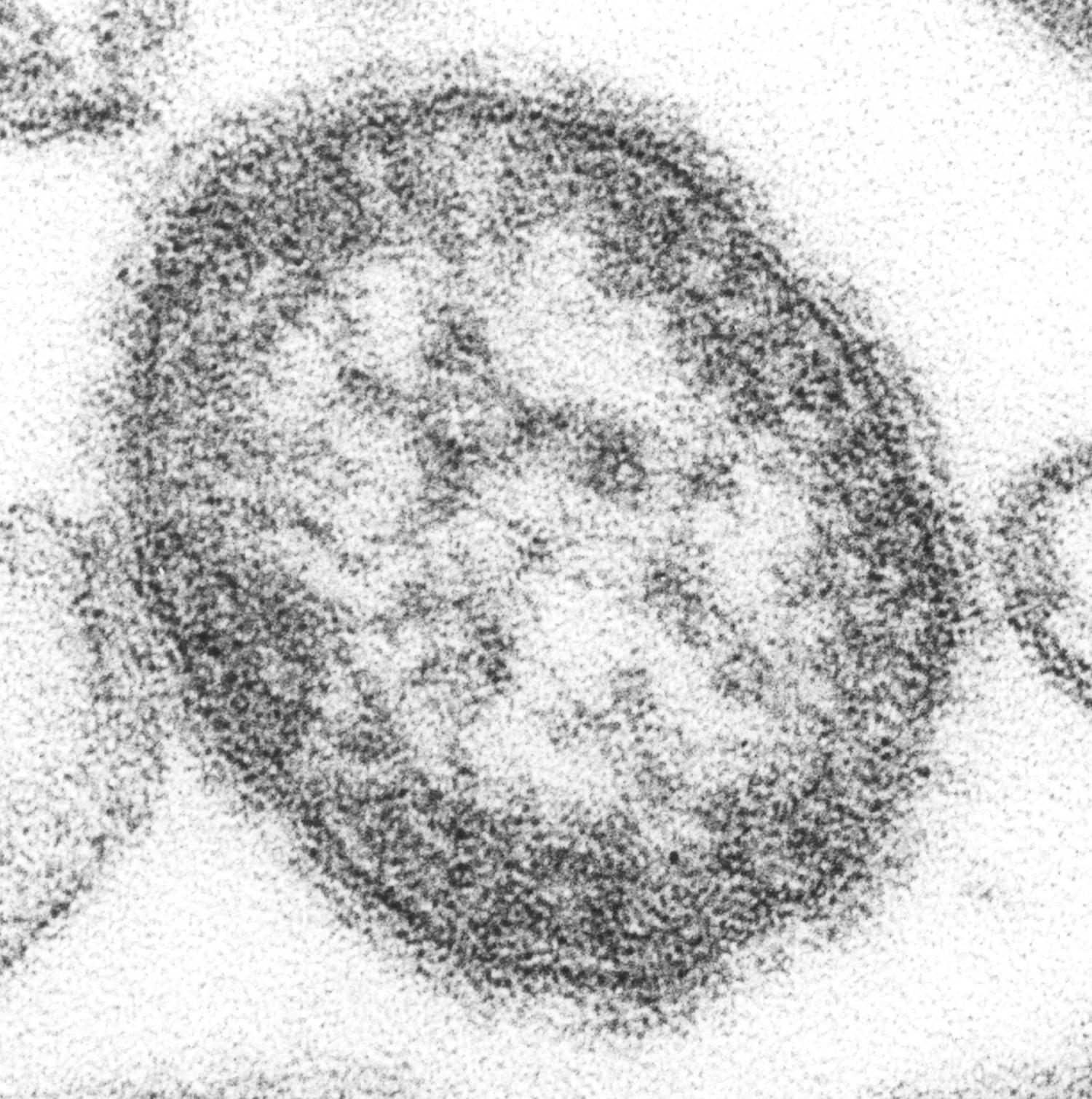
US measles total passes 5,000
The United States has recorded 5,182 confirmed measles cases so far in 2026, according to figures released by the Centers for Disease Control and Prevention. The total is the country’s highest annual count since 1991 and more than doubles the 2,289 cases reported during all of 2025.
The milestone marks a sharp reversal for a disease that the United States declared eliminated in 2000. Elimination did not mean the virus had disappeared globally; it meant that continuous domestic transmission had been interrupted. Vaccination was central to that outcome. The latest count shows how quickly a highly contagious infection can regain ground when population protection weakens.
State health officials have reported at least eight measles-related deaths this year, including deaths among very young children. Those deaths are particularly consequential because measles is described by public-health experts as highly preventable through vaccination, while its complications can be severe.
Why the disease remains dangerous
Measles commonly begins with fever and respiratory symptoms before a characteristic rash develops. For some patients, however, the illness progresses beyond those initial symptoms. Complications can include pneumonia and inflammation of the brain, conditions that can result in serious long-term harm or death.
Before a vaccine became available in the early 1960s, measles killed hundreds of children in the United States each year. The disease still causes tens of thousands of deaths worldwide. That history helps explain why the new US total is more than a statistical record: it is a warning about a disease whose worst outcomes have become less familiar to many families precisely because vaccination had previously made them rare.
Adam Ratner, a pediatric infectious-disease specialist quoted in the report, called measles deaths tragic and preventable. His point reflects a core challenge in public health: individual decisions about vaccination can affect people who cannot fully protect themselves, including infants too young for routine immunization and people with certain medical vulnerabilities.

From elimination to renewed transmission
The 2026 total is especially notable in comparison with the country’s recent baseline. The CDC’s 5,182 confirmed cases have been reported before the end of the year, while 2025 finished with 2,289 cases. The new tally is therefore already more than twice the prior year’s figure.
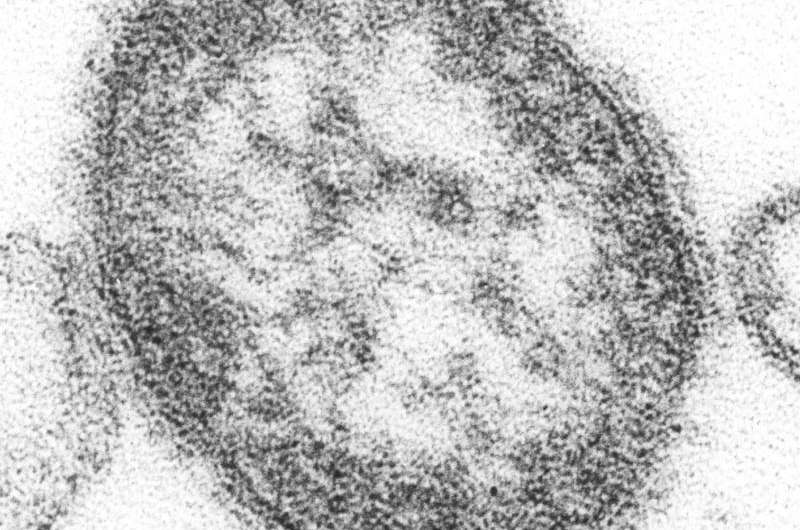
The report attributes the resurgence to declining vaccination rates and growing distrust of health authorities. Those factors can create pockets of vulnerability even where national vaccination coverage remains substantial. Because measles spreads readily, outbreaks can expand once the virus reaches communities with insufficient protection.
Public debate over vaccines has become part of the policy environment surrounding the outbreak. US Health Secretary Robert Kennedy Jr. has faced criticism for vaccine skepticism, past dissemination of misinformation about the measles vaccine, and statements that downplayed the disease’s dangers. Ratner said the consequences of decisions about prevention ultimately fall heavily on children, who do not make those decisions themselves.
What the count signals
The CDC figure measures confirmed cases, not merely suspected infections. It provides a national indicator of a disease that had been held at historically low levels for decades after the vaccination campaign transformed its course in the United States.
That does not make every case identical. Measles outcomes can vary, and many people recover. But the disease’s combination of easy transmission and potential complications makes prevention unusually important. A rising case count can increase the likelihood of severe cases simply because more people are infected, while also placing pressure on state and local health teams that must identify cases and limit further spread.
The current total also places the United States back near an era when measles was a routine and feared childhood infection. Reaching a 35-year high underscores that progress against infectious disease is not permanently secured by past success. It depends on continuing confidence in prevention, sustained access to vaccination, and prompt public-health action when outbreaks emerge.

A preventable public-health setback
At 5,182 confirmed cases and at least eight reported deaths, 2026 has become a defining year for measles in the United States. The comparison with 2025 and the fact that the count is the highest since 1991 leave little ambiguity about the direction of travel.
The immediate human impact falls on infected people and their families, including young children. The broader lesson is that diseases controlled through vaccination can return when coverage and trust erode. For a virus eliminated from continuous US transmission only a generation ago, the latest CDC count is a reminder that public-health gains require continued maintenance.
This article is based on reporting by Medical Xpress. Read the original article.
Originally published on medicalxpress.com