Un objeto familiar se convierte en un laboratorio espacial
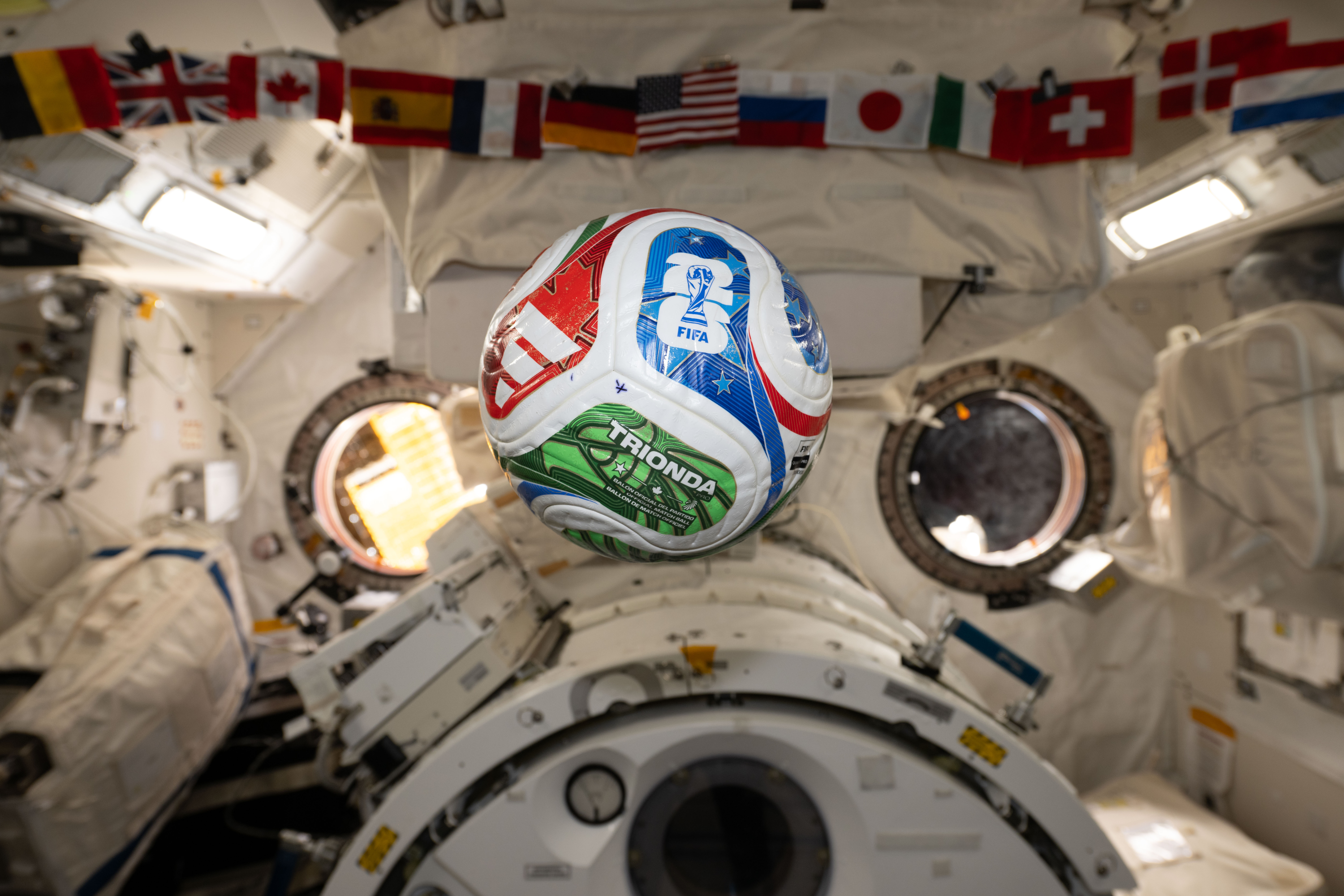
La última pieza destacada de NASA sobre la Estación Espacial Internacional se centra en un objeto que casi cualquiera puede reconocer al instante: un balón de fútbol flotando en microgravedad. Pero el objetivo del experimento no es la novedad. Según el texto proporcionado por NASA, los miembros de la tripulación de la estación probaron balones de fútbol para estudiar cómo la masa interna afecta el movimiento y la estabilidad en microgravedad.
Ese planteamiento convierte un objeto deportivo cotidiano en una herramienta de investigación útil. En órbita, donde el comportamiento impulsado por la gravedad cambia de forma drástica, incluso un balón puede servir para aislar cuestiones sobre equilibrio, movimiento y el efecto de los componentes incorporados en el rendimiento.
Por qué importa la masa interna
El detalle más importante de la descripción proporcionada por NASA es el enfoque en la masa interna. El experimento examinó cómo la distribución del peso dentro de un balón influye en la forma en que se mueve y se estabiliza en microgravedad. Es una cuestión técnica precisa disfrazada de imagen simple.
La agencia afirma que los hallazgos mejoraron la comprensión de cómo las tecnologías integradas, incluidos los sensores de balones de partido, pueden influir en el rendimiento durante el juego. Eso conecta la investigación en la estación directamente con el equipo utilizado en la Tierra. También muestra cómo los cambios ocultos dentro de un objeto deportivo pueden alterar su comportamiento externo de maneras que importan a atletas, fabricantes y árbitros.
En otras palabras, el experimento no trata solo de lo que hace un balón en órbita. Trata de cómo las decisiones de diseño interno afectan al movimiento en términos más generales, con la microgravedad proporcionando un entorno más limpio para observar esos efectos.
De la ciencia de la estación a la tecnología deportiva
La investigación espacial suele llegar al público a través de grandes temas como la exploración, la observación climática o la salud humana. Este experimento toma un camino distinto. Vincula el trabajo en la estación con uno de los deportes más practicados y seguidos del mundo.
NASA presenta explícitamente el proyecto como un ejemplo de cómo los descubrimientos realizados para el espacio pueden beneficiar a las personas en la Tierra, incluidos atletas y aficionados. Esa idea es más que un mensaje de divulgación. Refleja una justificación de larga data para la investigación orbital: la estación puede servir como un entorno de prueba para preguntas prácticas que son difíciles de examinar del mismo modo en tierra.
Aquí, la cuestión práctica tiene que ver con el rendimiento. Si los sensores integrados u otras tecnologías internas alteran la forma en que se mueve un balón, entender ese efecto importa tanto para el diseño como para el uso. Un pequeño cambio interno puede influir en la sensación, el vuelo o la estabilidad, y la ISS ofrece un escenario en el que esas variables pueden explorarse desde una perspectiva física diferente.
Por qué este tipo de experimento merece atención
En apariencia, un balón de fútbol flotando puede parecer menos relevante que muchas otras historias espaciales. Pero esa reacción pasa por alto lo que hace valioso al objeto desde el punto de vista editorial. El experimento muestra cómo la investigación aplicada puede surgir de objetos accesibles y aun así producir información útil de ingeniería.
También demuestra un tipo específico de puente entre sectores. La misma pregunta puede pertenecer al mismo tiempo a la ciencia espacial, la tecnología deportiva y el diseño de productos. La descripción de NASA subraya ese cruce al relacionar los hallazgos de microgravedad con los sensores integrados en balones de partido, un vínculo directo entre la experimentación orbital y el desarrollo de equipos modernos.
Eso importa porque el cambio tecnológico suele llegar a la vida cotidiana a través de sistemas ocultos. Los sensores, los componentes de equilibrio y la electrónica interna influyen cada vez más en el comportamiento de los productos ordinarios. Un entorno controlado de microgravedad puede ayudar a los investigadores a aislar esas influencias con mayor claridad.
Un recordatorio del valor más amplio de la estación
La Estación Espacial Internacional suele debatirse en términos de vuelos espaciales tripulados, cooperación internacional y misiones de larga duración. Todo eso sigue siendo central. Pero proyectos como este recuerdan al público que la estación también funciona como un laboratorio flexible para preguntas concretas que pueden sonar sorprendentemente cercanas a la vida cotidiana.
El texto proporcionado por NASA es breve, pero apunta a varios temas más amplios:
- La microgravedad puede revelar cómo la distribución de la masa interna afecta al movimiento y la estabilidad.
- Las tecnologías integradas en el equipamiento deportivo pueden cambiar el rendimiento de formas medibles.
- La investigación en la ISS puede generar conocimientos prácticos para productos y actividades civiles en la Tierra.
- Las demostraciones accesibles pueden ayudar a comunicar el valor de la experimentación en el espacio.
Ese último punto no debe pasarse por alto. La comprensión pública de la investigación suele mejorar cuando el tema es reconocible. Un balón de fútbol ofrece un gancho visual inmediato, pero la lección subyacente trata de física, diseño y equipamiento instrumentado.
La investigación espacial no siempre tiene que parecer lejana
Existe una vieja costumbre en la cobertura científica de separar la investigación de frontera de la vida cotidiana. El experimento de NASA con el balón de fútbol rompe con esa división. El objeto es ordinario, el entorno es extraordinario y la información resultante queda en un punto intermedio útil.
Al estudiar cómo la masa interna afecta a un balón en microgravedad, la tripulación de la ISS contribuyó a una mejor comprensión de cómo las tecnologías integradas influyen en el rendimiento. Es una historia pequeña en comparación con los lanzamientos o las misiones planetarias, pero significativa. Muestra que el valor de la investigación espacial no se limita a las grandes narrativas de exploración. A veces aparece en el comportamiento refinado de una pieza de equipamiento deportivo.
Eso forma parte de lo que hace a la estación relevante de manera duradera. Puede convertir un balón flotante en un problema de diseño, un problema de diseño en un hallazgo de investigación y un hallazgo de investigación en algo que vuelve a la Tierra.
Este artículo está basado en la cobertura de NASA. Leer el artículo original.

Originally published on nasa.gov