Los subneptunos como cámaras de combustión atmosféricas
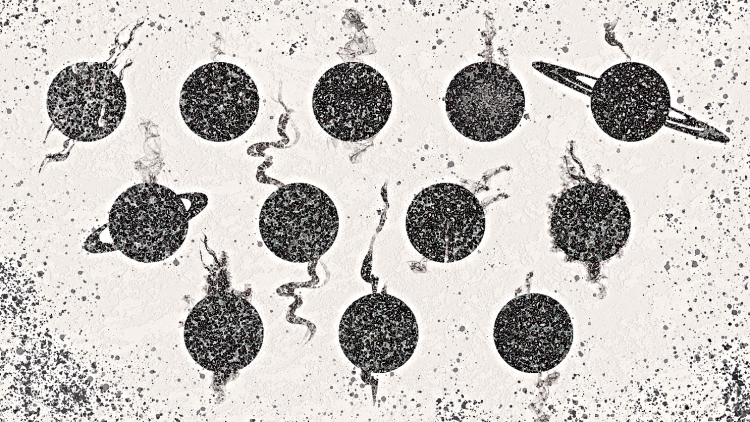
Un nuevo estudio destacado por Universe Today sugiere que algunos exoplanetas subneptunianos podrían albergar atmósferas ricas en química relacionada con el hollín, abriendo una nueva forma de pensar sobre lo que el telescopio espacial James Webb podría detectar en mundos más allá del Sistema Solar. El trabajo se centra en planetas con temperaturas de equilibrio de entre 500 y 800 kelvin aproximadamente, y encuentra que sus atmósferas superiores pueden generar hidrocarburos aromáticos policíclicos, o PAH, compuestos asociados con el hollín.
Ese enfoque desafía una imagen más simple en la que las atmósferas de estos planetas se discutirían principalmente en términos de metano. En cambio, los investigadores sostienen que, en las condiciones adecuadas, algunos subneptunos pueden comportarse más como sistemas de combustión enormes, con rutas químicas que forman partículas complejas ricas en carbono y las transportan hacia altitudes accesibles a la observación.
Qué examinaron los modelos
Según el texto fuente proporcionado, los investigadores utilizaron una serie de modelos informáticos para simular la producción de PAH en atmósferas de exoplanetas. Variaron no solo la temperatura de equilibrio, sino también la relación carbono-oxígeno y la metalicidad de la atmósfera. Esos factores importan porque pequeños cambios en la química pueden dar lugar a productos atmosféricos muy distintos, especialmente en entornos cálidos y ricos en hidrógeno donde la temperatura y la composición afectan de forma decisiva las rutas de reacción.
El estudio encontró que la abundancia de PAH alcanzaba su máximo alrededor de 600 kelvin y luego disminuía tanto a temperaturas más altas como más bajas. La salida también cambiaba según la relación carbono-oxígeno y la metalicidad. En otras palabras, no se espera que la química atmosférica relacionada con el hollín sea universal en todos los subneptunos. Surge con más fuerza en una zona más estrecha en la que la temperatura y la composición encajan de la manera adecuada.

Por qué entra JWST en escena
La clave observacional es que estos compuestos quizá no permanezcan enterrados en lo profundo de la atmósfera. La investigación descrita en la fuente señala que las atmósferas podrían transportar los PAH hacia arriba, llevándolos potencialmente al alcance del telescopio espacial James Webb de la NASA. Si es así, JWST no estaría buscando hollín en el sentido terrestre cotidiano, sino huellas espectrales de la química asociada a él.
Eso es importante porque los subneptunos están entre las clases de planetas más comunes descubiertas hasta ahora, aunque no tienen un análogo directo en nuestro propio Sistema Solar. Cualquier nueva pista sobre su composición atmosférica ayuda a refinar cómo los científicos los clasifican y cómo modelan la formación planetaria, el balance térmico y la evolución química a largo plazo.
Un giro interdisciplinario en la ciencia de exoplanetas
La autora principal del estudio, según cita el texto fuente, describió el proyecto como un caso de ingeniería química aplicada a la investigación de exoplanetas. Ese enfoque interdisciplinario es más que una novedad. Las atmósferas planetarias son reactores químicos moldeados por la radiación, la presión, la composición global y el transporte. Tomar prestadas herramientas e intuiciones de la ingeniería puede ayudar a los investigadores a modelar rutas que de otro modo podrían pasarse por alto si un mundo se tratara solo a través de categorías astronómicas tradicionales.
También refleja cómo la ciencia de exoplanetas está madurando. El campo avanza más allá de la simple detección y las estimaciones básicas de tamaño hacia preguntas más detalladas sobre dinámica atmosférica, formación de aerosoles y discriminantes observacionales. Una vez que un telescopio como JWST pueda poner a prueba esos modelos, los investigadores podrán empezar a distinguir qué escenarios atmosféricos ocurren realmente y cuáles siguen siendo posibilidades teóricas.
Por qué importa el resultado
El estudio no afirma que JWST ya haya encontrado una neblina parecida al diésel en mundos alienígenas. Más bien, identifica un mecanismo plausible que podría crear firmas atmosféricas relacionadas con el hollín en un subconjunto de subneptunos y argumenta que esas firmas podrían ser observables. Es una afirmación más limitada, pero sigue siendo importante. El modelado predictivo es lo que permite orientar el tiempo de telescopio y lo que hace interpretables las características espectrales inesperadas cuando aparecen en datos reales.
Si las observaciones de seguimiento respaldan la idea, el hallazgo ampliaría el rango de químicas atmosféricas consideradas probables en exoplanetas pequeños. También reforzaría una lección más amplia de la investigación en exoplanetas: mundos que parecen similares en tamaño pueden ser química y físicamente extraños de formas que no se corresponden de manera limpia con los planetas de nuestro propio sistema.
Por ahora, el estudio ofrece una posibilidad provocadora. Algunos subneptunos calientes pueden no ser simplemente mundos de metano o intermediarios genéricos envueltos en gas. Bajo las condiciones adecuadas, podrían funcionar como fábricas planetarias de hollín, y JWST podría tener la sensibilidad necesaria para sorprenderlos in fraganti.
Este artículo está basado en la cobertura de Universe Today. Lee el artículo original.
Originally published on universetoday.com