La Dragon de carga de SpaceX se prepara para dejar la estación
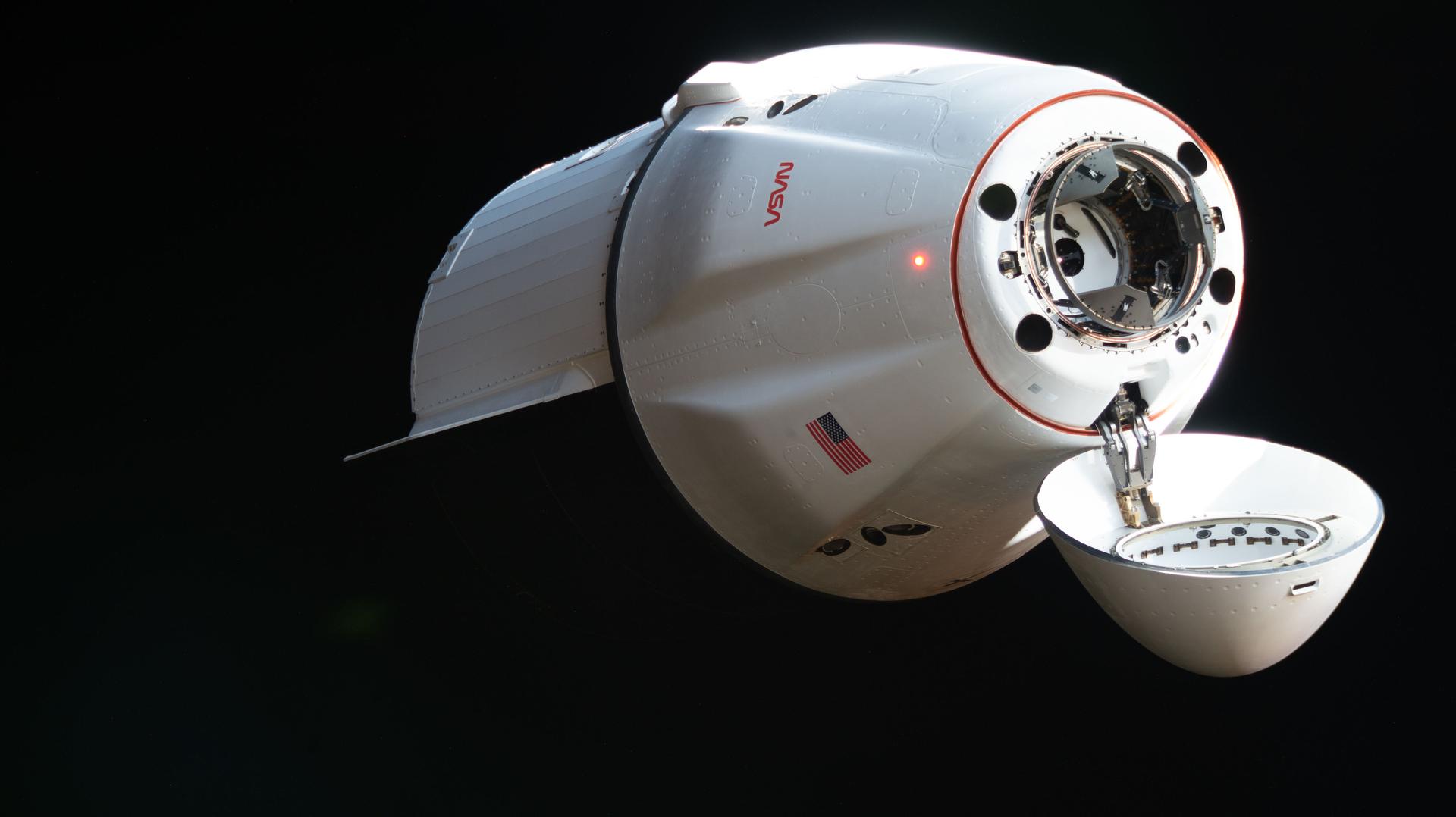
NASA dice que ofrecerá cobertura en directo de la salida de la 34.ª misión comercial de servicios de reabastecimiento de SpaceX desde la Estación Espacial Internacional el martes 16 de junio, con la nave de carga Dragon prevista para desacoplarse alrededor de las 12:05 p. m. EDT. Según el texto fuente proporcionado, la cobertura en directo comienza a las 11:45 a. m. EDT en NASA+, Amazon Prime y el canal de YouTube de la agencia.
La misión puede no tener el dramatismo de un lanzamiento tripulado, pero el retorno de carga desde la estación es una parte crítica de la investigación orbital. Dragon es una de las pocas naves capaces de traer de vuelta a la Tierra una cantidad importante de material científico intacto, lo que hace que su viaje de regreso sea tan importante como su entrega. En este caso, NASA dice que el vehículo regresará con miles de libras de carga, incluidas muestras de investigación y hardware de la estación que podrían influir tanto en futuras exploraciones como en trabajos en la Tierra.
Qué regresa
La investigación que vuelve refleja el papel de la estación como laboratorio para experimentos que no pueden realizarse de la misma manera bajo la gravedad de la Tierra. NASA dice que Dragon traerá de vuelta tejido de órganos y cartílago bioprintado, datos vinculados a mejorar el almacenamiento de combustible criogénico para futuras misiones y materiales inspirados en el ADN orientados a desarrollar nuevos tratamientos contra el cáncer.
Esas cargas abarcan varios de los grandes temas que hoy definen la ciencia de la estación. Algunas están directamente relacionadas con los vuelos espaciales de larga duración y con las exigencias técnicas de futuras misiones a la Luna y Marte. Otras aprovechan el entorno de microgravedad para obtener conocimientos con valor terrestre, incluida la investigación biomédica. Ese doble propósito se ha convertido en una justificación central de la estación a medida que avanza hacia su tercera década de ocupación humana continua.
El hardware que regresa también es notable. NASA dice que Dragon traerá de vuelta un dispositivo de imagen ocular usado para monitorear la salud visual de los astronautas, una cama absorbente que filtra contaminantes en trazas del aire de cabina y una bomba separadora del compartimento de residuos e higiene de la estación. El retorno de hardware suele ser menos visible que las muestras científicas, pero importa porque permite a los ingenieros inspeccionar el desgaste, el rendimiento y los modos de falla después del uso operativo real en órbita.

Cronograma del regreso
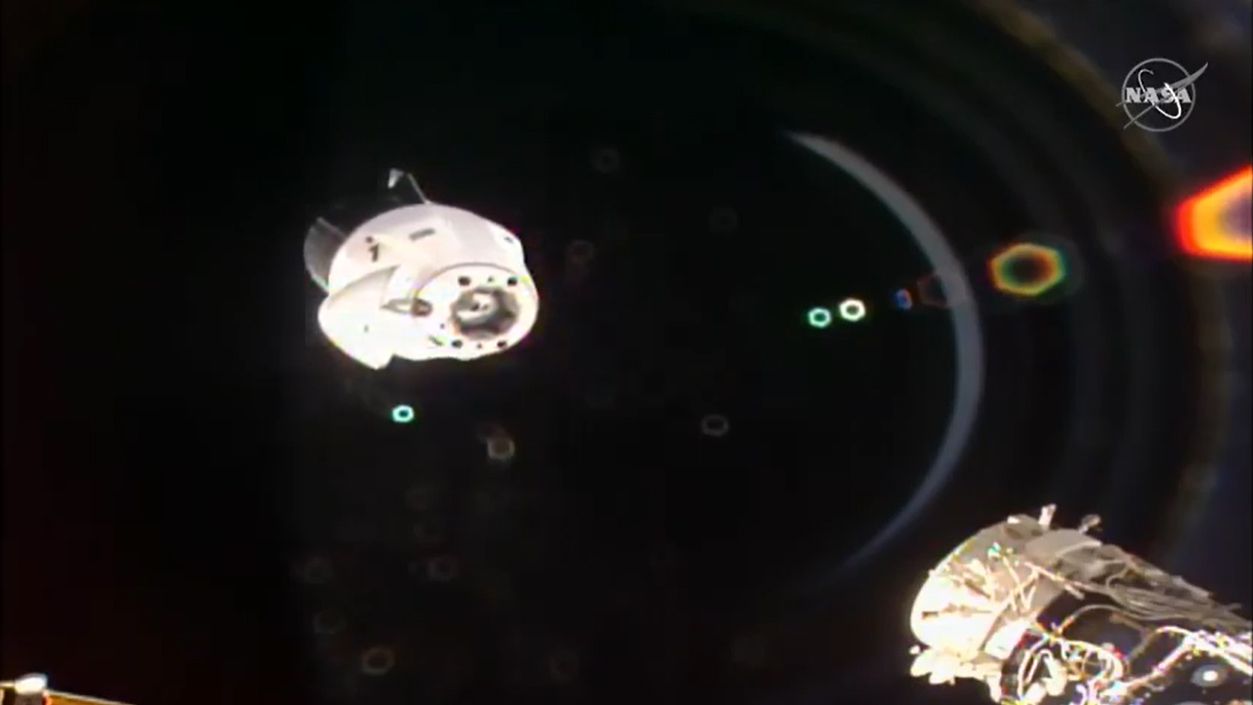
Si las operaciones siguen el plan, Dragon se separará del puerto delantero del módulo Harmony de la estación tras recibir un comando de los controladores terrestres de SpaceX. Después, la nave encenderá sus propulsores para alejarse con seguridad del complejo orbital. NASA dice que, tras el desacoplamiento del 16 de junio, Dragon reentrará en la atmósfera terrestre el miércoles 17 de junio antes de amerizar frente a la costa de California aproximadamente a las 5:08 a. m. PDT.
NASA señala que no transmitirá el amerizaje en vivo, pero proporcionará actualizaciones a través de su blog de la estación espacial. Eso es habitual en muchos retornos de carga, incluso cuando la ciencia a bordo es sensible al tiempo. Una vez recuperados, algunos materiales pueden pasar rápidamente al análisis posterior al vuelo, donde los investigadores comparan los resultados orbitales con controles en tierra y comienzan a evaluar lo que revelan las muestras.
Una misión rutinaria con valor estratégico
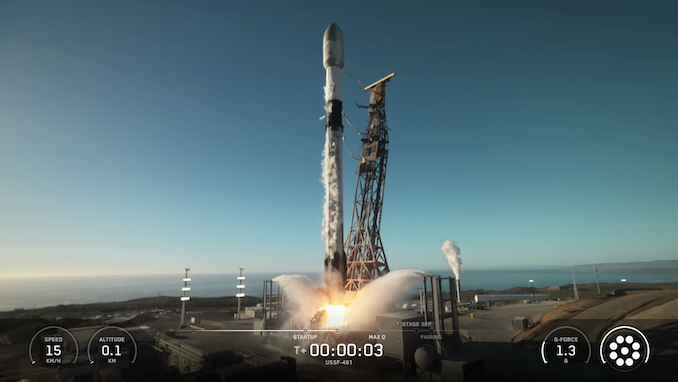
La nave llegó a la estación el 17 de mayo después de lanzarse dos días antes a bordo de un cohete Falcon 9 desde la Estación de la Fuerza Espacial de Cape Canaveral, en Florida, transportando casi 6,500 libras de alimentos, suministros y equipo para la tripulación de la Expedición 74. Esa función ordinaria de reabastecimiento sigue siendo indispensable. La presencia humana en órbita terrestre baja depende de una cadena logística estable, y las misiones de carga sostienen desde consumibles de soporte vital hasta experimentos de alto valor.
Pero la salida destaca algo igual de importante: la estación no es solo un destino donde se acumulan materiales. Es un ciclo. El hardware sube, se realiza la investigación, los datos y las muestras bajan, y los resultados retroalimentan la ciencia, la ingeniería y el diseño de futuras misiones. La capacidad de regreso de Dragon es una de las principales razones por las que ese ciclo funciona tan bien.
Por qué importa la ciencia
Cada una de las categorías de investigación que regresa apunta a una prioridad estratégica distinta. Los experimentos con tejido bioprintado están relacionados con la posibilidad de que la microgravedad ayude a los investigadores a estudiar o crear estructuras difíciles de producir en la Tierra. La investigación sobre almacenamiento de combustible criogénico se vincula directamente con la arquitectura del espacio profundo, donde gestionar propelentes ultrafríos durante largos periodos es un reto clave para misiones más allá de la órbita baja terrestre. Los materiales inspirados en el ADN para tratamientos contra el cáncer apuntan al papel continuo de la estación en el descubrimiento biomédico.
En resumen, la carga no refleja un solo programa estrecho. Muestra cómo la estación sostiene una cartera de trabajos que abarca la salud humana, los sistemas de exploración y la ciencia aplicada de materiales. Esa diversidad se ha convertido en uno de los argumentos más sólidos a favor de la relevancia continuada del laboratorio.
Parte de una historia mayor de la estación
El texto fuente de NASA concluye subrayando que las personas han vivido y trabajado continuamente a bordo de la Estación Espacial Internacional durante más de 25 años. La agencia vincula la estación con avances científicos, una mejor comprensión de los desafíos del vuelo espacial humano, el desarrollo comercial en órbita terrestre baja y la base para las misiones lunares de la era Artemis y la exploración futura de Marte.
Esa perspectiva es importante porque la estación suele juzgarse por sus momentos más visibles: lanzamientos, acoplamientos, caminatas espaciales y relevos de tripulación. Los retornos de carga como CRS-34 son más silenciosos, pero encarnan el propósito subyacente de la estación. Una plataforma de investigación solo demuestra su valor cuando sus hallazgos, materiales y lecciones vuelven al sistema científico y de ingeniería en general.
La conclusión
En papel, el desacoplamiento del 16 de junio es un evento logístico rutinario. En la práctica, es el punto de transición entre el trabajo en órbita y el análisis en la Tierra. La Dragon de SpaceX que se aleja de la estación no simplemente volverá con carga sobrante. Llevará muestras de investigación, hardware operativo y resultados experimentales que ayudan a definir para qué sirve la Estación Espacial Internacional: convertir la presencia humana sostenida en órbita en conocimiento utilizable.
Este artículo se basa en informes de NASA. Leer el artículo original.
Originally published on nasa.gov