Una reinterpretación fósil con grandes implicaciones evolutivas
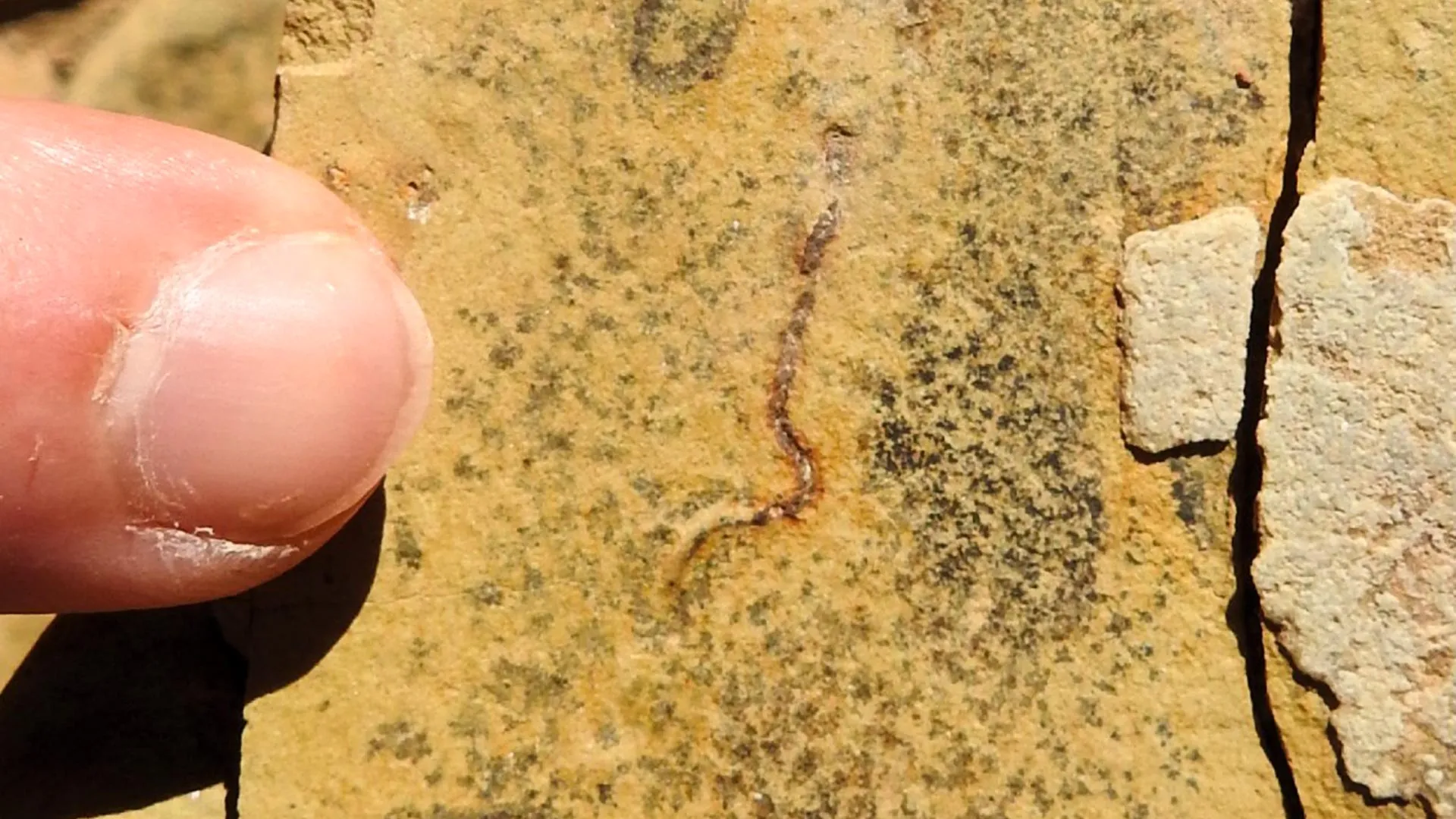
Los científicos que estudian microfósiles de 540 millones de años de antigüedad procedentes de Brasil afirman que algunas estructuras que antes se creían registros del movimiento de diminutos animales primitivos probablemente no eran rastros de animales en absoluto. Según un estudio destacado por ScienceDaily, ahora esas marcas se interpretan como comunidades fosilizadas de bacterias o algas, en algunos casos con estructuras celulares y material orgánico preservados.
Eso puede sonar como una corrección taxonómica limitada, pero las implicaciones son mayores. Interpretaciones anteriores sugerían que las rocas podían conservar evidencia de meiofauna, pequeños invertebrados de menos de un milímetro de longitud, que habrían vivido en el período Ediacárico, antes de la explosión cámbrica. Si esa interpretación se hubiera mantenido, habría adelantado parte del registro fósil de los animales pequeños. El nuevo análisis pone en duda esa afirmación.
Lo que encontraron los investigadores en el reanálisis
El trabajo se centró en fósiles procedentes de lo que hoy es Mato Grosso do Sul, en Brasil. Estudios previos habían tratado las marcas como señales de criaturas parecidas a gusanos u otros pequeños animales marinos que se desplazaban por los sedimentos del fondo marino al final del Ediacárico. En el nuevo estudio, los investigadores utilizaron microtomografía y espectroscopia para examinar los fósiles con mayor detalle.
Según el autor principal, Bruno Becker-Kerber, esos métodos revelaron estructuras celulares y, en algunos casos, material orgánico preservado, compatibles con bacterias o algas de ese período y no con rastros dejados por animales que pasaban por allí. En otras palabras, las estructuras parecen ser los propios organismos, no evidencia del comportamiento animal.
Esa distinción es fundamental en paleontología. Los fósiles traza pueden usarse para inferir la presencia de organismos móviles incluso cuando estos no se conservan directamente. Pero si un supuesto rastro resulta tener origen microbiano, entonces desaparece una de las pruebas clave de actividad animal temprana.

La cuestión del Ediacárico
El período Ediacárico se sitúa justo antes de la explosión cámbrica, el intervalo mejor conocido por la rápida diversificación de la vida animal compleja en el registro fósil. Por ese motivo, los fósiles ediacáricos se examinan con gran atención en busca de pistas sobre cómo evolucionaron los animales tempranos y cómo las condiciones ambientales moldearon esa transición.
El reanálisis informado aquí toca directamente una de esas preguntas ambientales: si los océanos antiguos de hace unos 540 millones de años tenían suficiente oxígeno para sostener ciertas formas de vida animal pequeña en los entornos representados por estas rocas. Si las estructuras son de origen microbiano y no animal, entonces uno de los argumentos a favor de una meiofauna temprana en este entorno se debilita, y ganan respaldo las interpretaciones de bajo oxígeno.
Esto no significa que los animales estuvieran ausentes del mundo ediacárico. Significa que un conjunto específico de pruebas candidatas pudo haber sido mal interpretado. En campos que trabajan con rastros fragmentarios y tiempos profundos, esas correcciones importan. Una sola reinterpretación puede cambiar cómo los científicos calibran la cronología, la ecología y la geografía de pasos evolutivos clave.
Por qué importa este tipo de revisión
La ciencia avanza a menudo mediante descubrimientos espectaculares, pero también mediante una relectura cuidadosa de pruebas antiguas. Este estudio recuerda que grandes narrativas evolutivas pueden depender de si unas estructuras ambiguas se clasifican correctamente. Las mejores técnicas de imagen y análisis químico pueden, en ocasiones, invalidar afirmaciones que parecían asentadas cuando se basaban sobre todo en la forma y el contexto.
Eso forma parte de lo que hace valiosos a los fósiles brasileños. Ofrecen un caso de estudio sobre cómo nuevas herramientas analíticas pueden volver sobre material antiguo y cambiar su significado. En lugar de ser un registro de algunos de los primeros animales diminutos de la Tierra moviéndose a través de sedimentos, los fósiles podrían preservar antiguas comunidades microbianas ocultas a simple vista.
Si esa interpretación se confirma, el resultado no es una historia menor, sino una distinta. En vez de ampliar el alcance de la evidencia sobre animales tempranos, los fósiles profundizan la imagen de la vida microbiana del Ediacárico tardío y afinan el debate sobre cuándo aparecieron realmente ciertos animales. En el estudio de los capítulos complejos más tempranos de la vida, eliminar una pista errónea puede ser tan importante como encontrar una nueva.
Este artículo se basa en la cobertura de Science Daily. Leer el artículo original.

Originally published on sciencedaily.com