La Fuerza Aérea se prepara para cerrar una flota especializada de comunicaciones aéreas
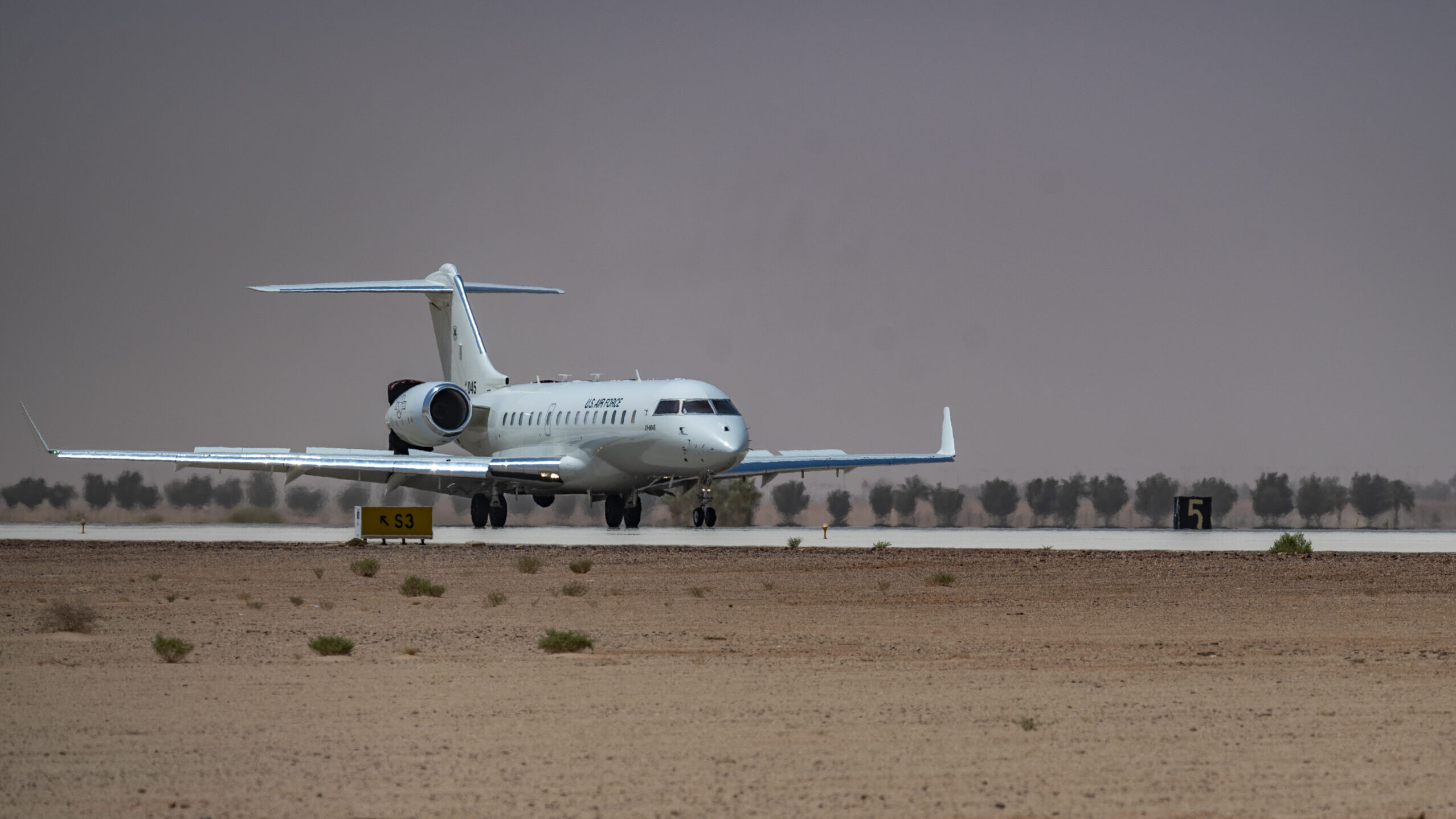
La Fuerza Aérea de Estados Unidos busca retirar sus aviones E-11 Battlefield Airborne Communication Node en el año fiscal 2028, según un testimonio escrito presentado al subcomité de defensa de Asignaciones de la Cámara de Representantes. La medida cerraría un programa que opera desde 2005 y que ha servido como capacidad de retransmisión de datos en el aire para fuerzas que operan en teatros extensos y difíciles.
Un portavoz de la Fuerza Aérea dijo a Breaking Defense que la flota actual consta de siete aviones E-11. El mismo portavoz afirmó que el servicio planea reemplazar esa capacidad con la emergente Department of the Air Force Battle Network, lo que señala un giro lejos de un avión dedicado al relevo de comunicaciones y hacia una arquitectura más amplia y distribuida.
Qué ha hecho BACN
El sistema BACN, integrado en un jet ejecutivo Bombardier Global modificado por Northrop Grumman, a menudo se ha descrito como "Wi-Fi en el cielo". En términos prácticos, la aeronave funciona como un puente de comunicaciones, ayudando a conectar plataformas y usuarios que de otro modo tendrían dificultades para intercambiar datos directamente. Ese papel ha sido especialmente valioso en áreas operativas extensas y en situaciones en las que las comunicaciones en línea de vista son limitadas.
Su importancia ha venido tanto de la traducción y el relevo como del ancho de banda bruto. Una plataforma como el E-11 puede situarse sobre el espacio de batalla y ayudar a unir distintos usuarios, sensores y redes. Durante años, eso la convirtió en un ejemplo reconocible de cómo el Pentágono intentó resolver problemas de mando y control con nodos aéreos diseñados específicamente para ello.
Por qué el servicio cambia de rumbo
Los documentos presupuestarios de la Fuerza Aérea para el año fiscal 2027 eliminan por completo la financiación del programa E-11. Breaking Defense informó que el servicio ha gastado un total de 296 millones de dólares en el programa desde su inicio. Las decisiones presupuestarias de ese nivel suelen reflejar algo más que el deseo de recortar una sola flota. También muestran de dónde creen los líderes que vendrá la ventaja operativa futura.
En este caso, la respuesta parece ser una red empresarial en lugar de un tipo de aeronave independiente. Al señalar la Department of the Air Force Battle Network como la ruta de reemplazo, el servicio alinea la retirada con su impulso más amplio para crear sistemas de mando y control más conectados y resilientes a través de aeronaves, satélites y otros nodos.
El testimonio también indica que el servicio ve una brecha a corto plazo que debe gestionarse en lugar de ignorarse. Por ahora, los funcionarios dicen que un programa Hybrid SATCOM Terminal servirá como capacidad puente. Eso sugiere que la Fuerza Aérea no asume que la nueva arquitectura reproducirá de inmediato todas las funciones que ofrecía el E-11.
Una transición con implicaciones operativas
Los documentos presupuestarios y el testimonio de la Fuerza Aérea muestran planes para integrar terminales de comunicaciones por satélite en otras aeronaves, incluidos el KC-135 Stratotanker y el B-1 Lancer. Ese enfoque distribuye las herramientas de conectividad entre un conjunto más amplio de plataformas en lugar de concentrar la misión en una pequeña flota dedicada.
Hay ventajas en esa estrategia. Una red distribuida puede ser más difícil de interrumpir y más fácil de escalar entre paquetes de fuerzas. También puede reducir la dependencia de un inventario pequeño de aeronaves únicas. Pero la transición conlleva riesgos porque una plataforma de nicho suele sobrevivir precisamente porque resuelve un problema operativo real que los sistemas de uso general no igualan por completo.
Las modificaciones previstas para el E-11 subrayan ese punto. Las futuras mejoras incluían software para permitir el uso del M-code del sistema GPS, resistente a interferencias, una capacidad considerada importante para operaciones en entornos electromagnéticos muy disputados. Si la flota se retira antes de que ocurra esa evolución, la carga pasa a otras plataformas y programas de red para ofrecer una resiliencia equivalente.
Qué dice esta retirada sobre la siguiente fase del combate en red aérea
La desinversión propuesta no trata tanto de declarar innecesario el relevo aéreo de comunicaciones, sino de redefinir cómo debe realizarse la misión. La Fuerza Aérea parece apostar a que la conectividad futura vendrá de una malla de sistemas más que de una sola plataforma reconocible orbitando arriba.
Ese es un patrón familiar en los esfuerzos de modernización militar. Las flotas especializadas que antes resolvían desafíos operativos urgentes se evalúan cada vez más frente a conceptos más amplios construidos en torno a la integración, el software y las redes multidominio. El E-11 ahora parece entrar en esa categoría.
Si eso resultará eficiente o prematuro dependerá de la rapidez con que madure la arquitectura de reemplazo. Por el momento, el hecho más claro es que uno de los aviones de comunicaciones más distintivos de la Fuerza Aérea está camino al retiro, y que el servicio quiere que su próxima respuesta al problema de la conectividad sea más amplia, más distribuida y esté más estrechamente vinculada a la futura red de combate que aún está construyendo.
Este artículo se basa en la cobertura de Breaking Defense. Leer el artículo original.
Originally published on breakingdefense.com