
VinFast Tries a Different EV Market Entry in the Philippines
Most carmakers entering a new market focus on one question first: how to sell vehicles. VinFast is taking a different route in the Philippines. Rather than centering its pitch on retail buyers, the Vietnamese electric vehicle maker is expanding a program designed to turn drivers into transport operators with a lower financial barrier to entry.
The initiative is called Rentapasada, a name that the source describes as meaning rent-to-hire. The idea is straightforward: instead of asking would-be drivers to secure a down payment, qualify for financing, and spend years servicing a conventional vehicle loan, VinFast is offering access to electric vehicles through a fixed daily payment tied to ride-hailing work. In practice, the company is trying to make the vehicle an earning asset from day one rather than a distant investment that may take years to pay back.
That distinction matters in the Philippines, where the source says much of the ride-hailing and taxi market does not mirror the owner-driver model familiar in some other countries. According to the supplied reporting, about 82 percent of cars used in the segment come from fleets, meaning the vehicles are owned by someone else and operated by hired drivers. In that market structure, access to the vehicle is the real gatekeeper. VinFast’s strategy is to reduce that gatekeeping function and place more people on the operator side of the equation.
How the Program Works
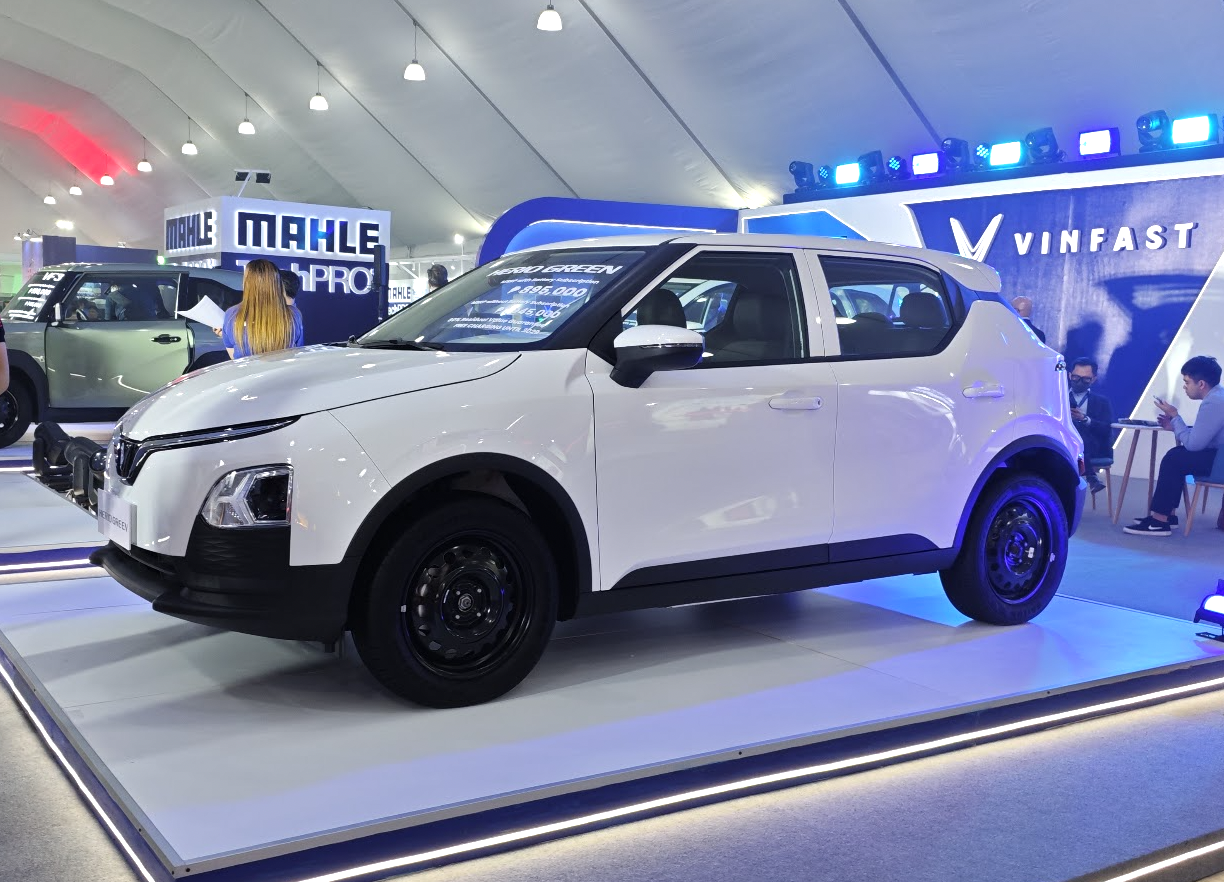
The source says participants can effectively pay for the vehicle out of taxi proceeds at a rate of P1000 per day, or less than $20. The company has expanded the program to include two electric models aimed at different types of service.
- The five-seat VF 5 is positioned for standard urban ride-hailing.
- The seven-seat Limo Green is aimed at larger groups, airport transfers, and family travel.
That two-vehicle structure gives the program more flexibility than a one-size-fits-all fleet offer. A driver or small operator is not just choosing a brand. They are choosing a business format. A smaller vehicle may suit dense city work and routine app-based rides, while a larger MPV can target higher-capacity trips or more specialized transport demand.
VinFast is also bundling more than the vehicle itself. The supplied text says the program combines vehicle access, charging, maintenance, and a dedicated ride-hailing platform. That matters because the friction around EV adoption often extends far beyond sticker price. Charging access, service support, and dispatch volume can determine whether a vehicle makes sense economically. By presenting those elements as one operating package, VinFast is effectively selling business infrastructure.

Why This Matters for EV Adoption
In many emerging EV markets, affordability is discussed mainly in terms of consumer finance. The Rentapasada model reframes affordability as cash flow management. A participant does not need to behave like a conventional car buyer. Instead, the participant behaves more like a micro-entrepreneur managing a daily operating cost against daily income.
That approach could prove significant because it lines up EV adoption with employment and small-business creation rather than personal consumption. For many people, especially those shut out of standard vehicle financing, the question is not whether an electric car is desirable. It is whether an electric car can start generating income quickly enough to justify the risk. VinFast’s program appears built around that exact calculation.
The model also suggests that the company sees transport services as a strategic beachhead for EV adoption. Commercial use can create high daily utilization, visible street presence, and recurring contact with charging networks and support systems. If successful, that kind of use case can do more than move units. It can normalize electric vehicles in the market by tying them to familiar everyday services.
An Entrepreneurial Pitch, Not Just a Product Pitch
What stands out in the reporting is the way VinFast is framing the offer. This is not presented simply as a cheaper way to drive. It is presented as a way to enter business ownership. For a newcomer in a competitive market, that may be a smarter narrative than competing head-on as just another automaker offering another set of models.
The company is also leaning into local transport realities rather than trying to impose a model borrowed from other countries. In markets where fleets and hired driving already play a large role, lowering the capital hurdle for operators may do more to expand EV usage than a conventional showroom strategy would.
That does not guarantee the program will succeed. The long-term economics will depend on consistent ride demand, reliable operations, and whether the bundled model remains attractive once drivers compare daily payments with actual earnings. But based on the supplied source text, VinFast is making a calculated bet that in the Philippines, the fastest route to EV adoption may be through livelihood, not lifestyle.
If that thesis holds, the program could become more than a local financing experiment. It could serve as an example of how EV companies approach markets where entrepreneurship, fleet structures, and service platforms matter more than direct consumer sales. In that sense, VinFast is not only testing demand for its vehicles. It is testing whether a manufacturer can create a customer base by helping create business owners first.
This article is based on reporting by CleanTechnica. Read the original article.

Originally published on cleantechnica.com




