A sharper demand curve is coming into view
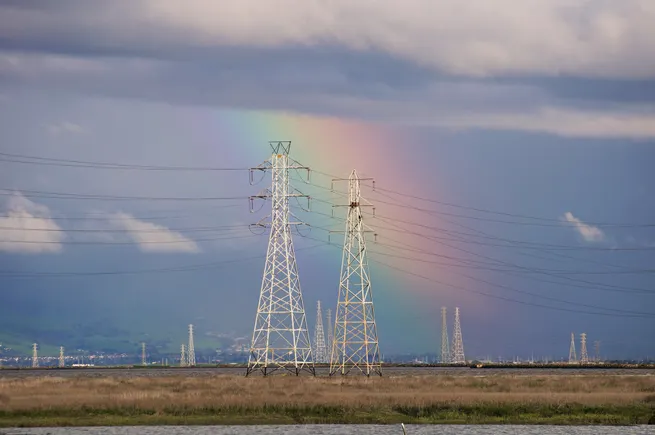
U.S. annual electricity consumption is now expected to grow by more than 55% by 2050, according to a new forecast from the National Electrical Manufacturers Association, or NEMA. The group says the steepest growth will arrive in the current decade, with data center expansion and the energy intensity of artificial intelligence workloads emerging as major forces behind the change.
The updated outlook, reported by Utility Dive on May 13, raises the projected pace of growth from NEMA’s own 2025 estimate. A year ago, the organization forecast 50% consumption growth over roughly the next quarter century. Its revised figure now points to a more aggressive climb, from 3,936 terawatt-hours of net U.S. electricity consumption in 2024 to 6,130 terawatt-hours by 2050.
Data centers move to the center of the forecast
The most striking part of the update is the role assigned to data centers. NEMA says data center energy consumption will grow 300% over the next 10 years and that data centers alone are projected to account for 38% of net electricity consumption through 2037. The source attributes that outlook to aggressive hyperscaler capital spending and the accelerating energy intensity of AI workloads.
That framing matters because it places AI not only in the software economy but increasingly in the power economy. The conversation around artificial intelligence often centers on chips, models, and capital investment. NEMA’s forecast reframes it as an infrastructure issue. If AI-heavy computing materially changes the load profile of the grid, then electricity planning, transmission equipment, demand flexibility, and local interconnection capacity become part of the AI story too.
The forecast also suggests the near-term pressure could be unusually concentrated. NEMA says the sharpest growth will come in the current decade, which means utilities, grid operators, and equipment suppliers may not be dealing with a slow, easily absorbed trend. They may be confronting a front-loaded demand wave driven by facilities already being planned or financed.

Electrification keeps broadening the base
Although data centers dominate the headlines, they are not the only source of growth in the forecast. NEMA says electricity’s share of final energy delivered in the United States will rise from 18% to 28% by 2050. That implies a wider structural shift as more sectors rely on electricity more deeply.
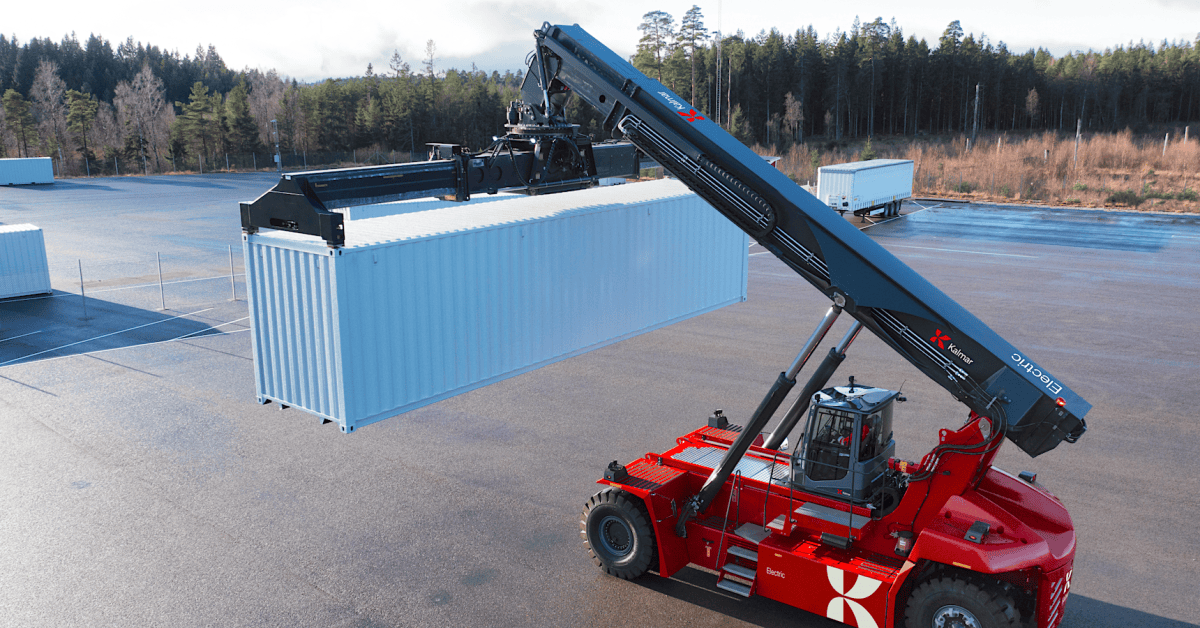
Transportation is a major part of that change. The group expects a 2,000% increase in power consumption from electric transportation through 2050. That projection is lower than NEMA’s 2025 estimate of 9,000% growth in e-mobility power consumption, but the organization says policy shifts led it to temper expectations rather than abandon the broader trend. Even on the revised view, electrified transport remains a substantial long-term driver of demand.
NEMA also points to a future in which about 51 million light-duty electric vehicles could be on U.S. roads by 2035, compared with more than 5.7 million today, citing Argonne National Laboratory. That comparison captures the scale of the transition. Transport electrification may not hit the grid as abruptly as data centers, but its cumulative effect remains large.
The grid challenge is not only generation
The forecast’s significance lies partly in what it implies about solutions. NEMA says meeting the new demand will require grid-enhancing technologies, demand response, and behind-the-meter resources. That is an important signal from a trade group representing electrical equipment manufacturers. The answer, in this telling, is not simply to build more generation and hope the rest of the system catches up.
Instead, the report points to a more distributed and operationally complex response. Grid-enhancing technologies can help utilities squeeze more performance from existing infrastructure. Demand response can shift or trim load when the system is under stress. Behind-the-meter resources can reduce reliance on central supply at critical times. Together, those tools suggest a future in which flexibility becomes nearly as important as raw capacity.
That matters because the forecast does not describe a single-source demand boom. It describes overlapping pressures from hyperscale computing, AI, and transportation electrification. Those forces have different timing, geography, and load characteristics. A system built only around adding megawatt-hours may struggle if it cannot also manage when and where electricity is needed.
Why this update matters now
NEMA President and CEO Debra Phillips said the trajectory has steepened since the group sounded the alarm a year earlier. The underlying message is that the industry’s earlier warning did not overshoot. If anything, the problem has intensified.
That puts policymakers and utilities in a tighter spot. Data center announcements continue, AI investment remains intense, and electrification policy is still reshaping long-term expectations even where assumptions have been moderated. Meanwhile, planning timelines for transmission, substations, transformers, and other grid equipment can be long. A demand forecast that rises this quickly is therefore a challenge not just to generation developers but to the entire electrical supply chain.
An energy story with broad economic consequences
The forecast deserves attention because it ties together several defining themes of the decade. AI is increasing computing demand. Transport is becoming more electric. Electricity itself is taking a larger share of the national energy mix. Each trend is large on its own. NEMA’s update argues that their combined effect is large enough to materially change how the United States plans for power.
From the supplied source, the central takeaway is clear: U.S. electricity demand growth is accelerating, not easing, and data centers are now one of the clearest drivers. That makes this more than an industry forecast. It is a warning that emerging technology and electrification are converging on the grid faster than many institutions may be prepared to handle.
This article is based on reporting by Utility Dive. Read the original article.
Originally published on utilitydive.com




