A Measurable Shift in the Grid's Fuel Mix
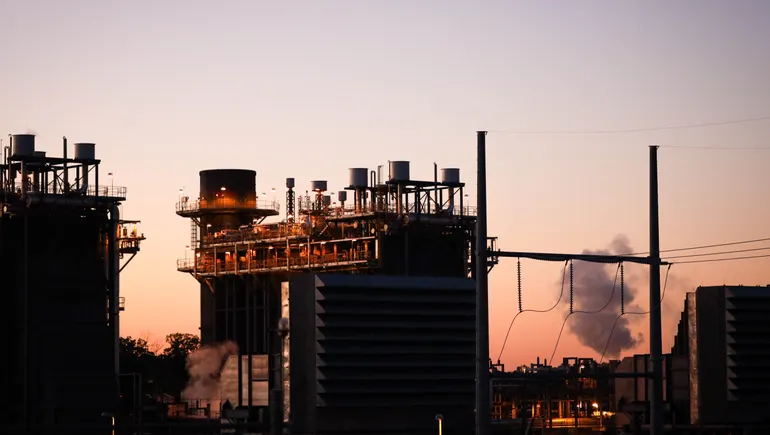
For years, clean energy advocates argued that solar panels and battery storage would displace fossil fuel generation in statistically significant ways. New data from the US Energy Information Administration confirms that this displacement is happening at grid scale. Natural gas consumption in the electric power sector fell approximately 3% in 2025 compared to 2024, driven by the continued rapid deployment of utility-scale solar and battery storage capacity.
How Solar Pushes Out Gas
The mechanism is straightforward. Solar panels generate the most electricity in midday hours, precisely when air conditioning loads have historically driven peak gas-fired generation. As more solar capacity comes online, gas plants that would have run from roughly 10 a.m. to 3 p.m. are increasingly pushed to minimum output or taken offline entirely during peak solar production hours. The US added over 50 gigawatts of new solar capacity in 2024, with similar figures expected for 2025. That scale of midday generation represents millions of megawatt-hours that gas plants no longer need to produce.
Battery Storage Extends Solar's Reach
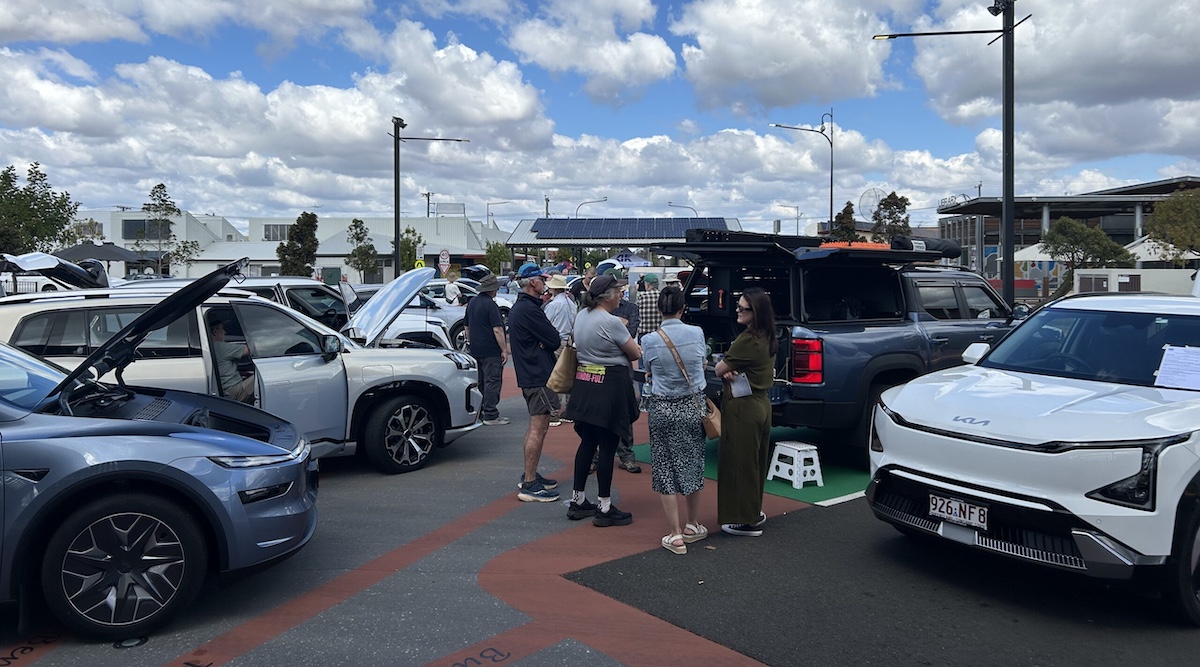
Solar alone can only displace gas generation during daylight hours. Battery storage changes the calculus by capturing excess midday solar and dispatching it in the late afternoon and early evening—the period when solar drops off but air conditioning loads remain high and gas peakers typically run. The rapid expansion of four-hour battery storage systems attached to solar projects has extended solar's displacement effect into the early evening hours that were previously firmly in the domain of gas peakers. California, Texas, and Florida have all seen grid operators lean on battery dispatch to reduce evening gas ramp requirements.
Regional Patterns
The 3% national decline in power sector gas consumption masks significant regional variation. States with aggressive renewable portfolio standards and substantial solar buildout saw larger declines. California's gas generation has been declining for several years and hit a new low in 2025. Texas, where the deregulated electricity market drives rapid deployment of whatever is cheapest to build, also saw meaningful displacement as solar economics continued to outcompete gas on marginal cost. Other regions—particularly in the Southeast and Midwest where solar penetration remains lower—saw smaller declines.

The Limits of Annual Averages
A 3% decline in annual gas consumption does not mean the grid burned 3% less gas every hour of every day. The displacement is concentrated in specific hours and seasons. Gas generation often remains essential in early morning winter hours, during extended cloudy periods, and as the evening load rises faster than batteries can discharge. The flexibility gas provides—ramping up and down quickly to follow load and compensate for solar variability—remains valuable even as its total energy contribution declines. This is why the clean energy transition is as much about installing batteries and demand flexibility as it is about adding solar panels.
Implications for Gas Infrastructure
Declining power sector gas demand has implications beyond environmental metrics. Utilities and grid operators are increasingly scrutinizing proposed new gas plants and pipelines in light of load forecasts that assume continued solar and battery growth. Projects that looked economically justified five years ago on assumptions of persistent gas-fired baseload now face harder scrutiny about whether their capacity factors will support debt service as renewable displacement accelerates.
At the same time, the gas sector correctly points to the grid's remaining dependence on dispatchable thermal generation during weather extremes as evidence that gas infrastructure remains necessary even as its annual energy contribution declines. That argument has merit, and it is pushing grid planners toward investments in long-duration storage and demand response. The 3% figure is modest in isolation but represents a directional shift that compounds over time.
This article is based on reporting by Utility Dive. Read the original article.

Originally published on utilitydive.com