A more aggressive buildout could change Europe’s energy math
The European Union could cut power system costs dramatically by moving faster on solar and battery storage, according to a new scenario analysis from SolarPower Europe modeled by Rystad Energy. The report argues that an accelerated “Solar+” pathway would not only help close looming 2030 clean-energy gaps, but also deliver major savings on gas imports and put downward pressure on wholesale electricity prices.
At the center of the analysis is a comparison between two futures. In the base case, current deployment trends leave the EU short of both its solar and wind targets for 2030. Solar reaches 574 gigawatts against a 600 gigawatt target, while wind reaches 344 gigawatts versus a 425 gigawatt target. In other words, even before considering broader decarbonization demands, the bloc is already on track to underdeliver on the capacity it says it wants.
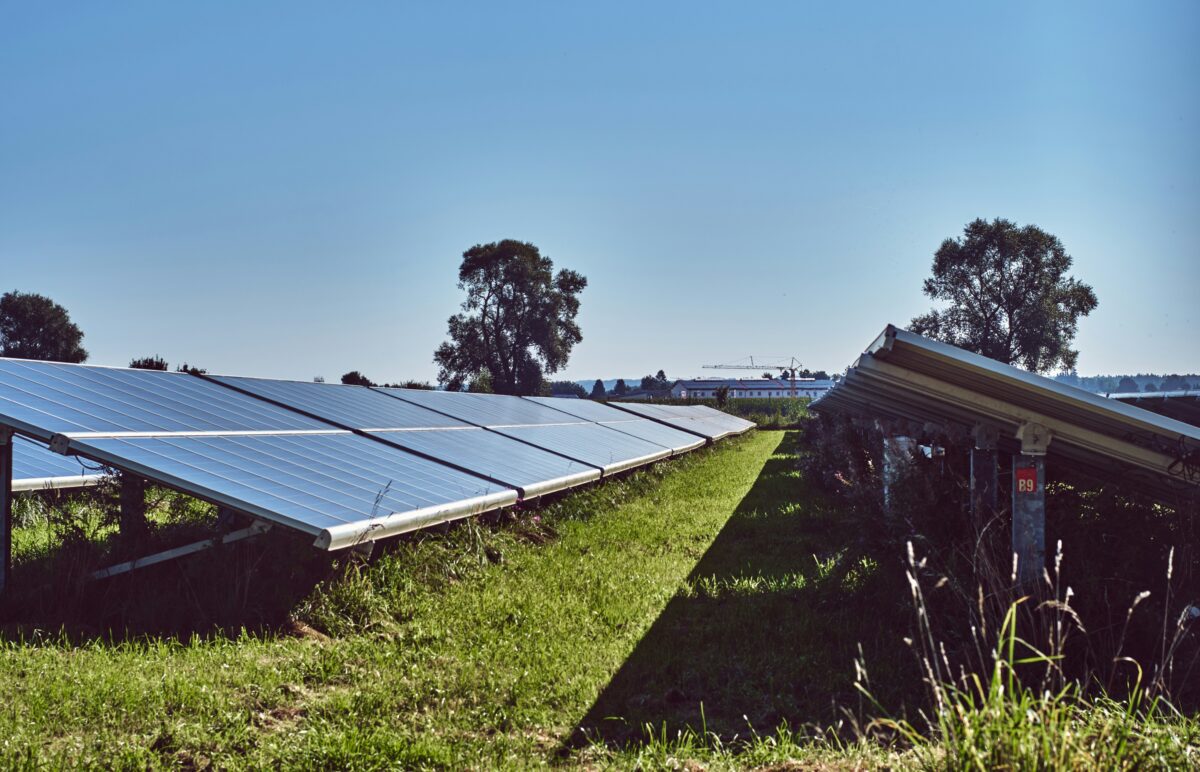
The alternative scenario assumes a faster ramp in solar and battery storage deployment. In that case, the report says, the EU reaches 732 gigawatts of solar by 2030, materially above the current target, while using storage to capture more value from intermittent generation and reduce reliance on imported fossil fuels.
The headline numbers are about cost, not just capacity
The most attention-grabbing claim in the analysis is financial. SolarPower Europe says the faster-buildout scenario could save the EU €223 billion in gas imports between 2026 and 2030. It also projects a 14% reduction in wholesale electricity prices compared with 2025 levels.
Those numbers matter because they reframe renewables deployment as a system-cost issue, not just a climate or industrial policy goal. Europe’s energy debate in recent years has often revolved around security of supply, exposure to imported fuels, and price volatility. By linking faster solar and storage deployment to lower import spending and lower wholesale prices, the report positions clean-energy acceleration as a hedge against external energy risk as much as a decarbonization strategy.
Storage is central to that argument. Solar on its own increases low-cost generation during daylight hours, but batteries are what allow that generation to support the grid more efficiently when production and demand do not line up. In effect, the report suggests the EU can convert more cheap renewable output into system value if it scales storage alongside generation rather than treating it as a follow-on asset class.

Europe is still facing a delivery problem
The report’s base-case scenario highlights a persistent challenge for the bloc: setting ambitious energy targets is easier than building fast enough to meet them. A shortfall from 600 gigawatts to 574 gigawatts in solar may appear manageable on paper, but coupled with a much larger wind gap, it signals a broader risk that the 2030 framework may not be achieved under current conditions.
That matters because the energy transition is cumulative. Delays in the second half of the decade do not simply shift benefits further out; they can lock in higher fuel spending, prolong exposure to volatile power prices, and increase the burden on later deployment years. Faster buildout now changes both capacity totals and the cost path along the way.
The source summary does not enumerate every policy lever behind the Solar+ scenario, but the implication is clear: the outcome depends on accelerating both project deployment and supporting infrastructure. More solar without enough flexibility can intensify curtailment and market stress. More storage without enough clean generation limits its economic effect. The report’s core claim is that the pairing matters.
What this could mean for policy
If policymakers accept the report’s framing, the debate shifts from whether the EU should expand solar and storage to how aggressively it can remove bottlenecks. That would put more attention on permitting timelines, grid integration, investment certainty, and market design that rewards flexibility.
The timing is important. The savings window in the analysis runs from 2026 through 2030, which means the biggest benefits depend on action taken soon rather than near the end of the decade. Delayed approvals, weak deployment signals, or fragmented national approaches would all erode the scenario’s projected gains.
There is also a strategic industrial angle. A faster buildout can support domestic and regional supply chains in solar, batteries, and power electronics, though the report excerpt provided here focuses primarily on system cost and import reduction rather than manufacturing policy. Even so, the message is broader than a single technology pitch: energy independence, affordability, and decarbonization become more aligned when storage is deployed as a companion to renewable generation at scale.
The case for speed is getting more concrete
Scenario analyses always come with assumptions, and this one compares modeled futures rather than reporting observed outcomes. But it is still a useful signal of where the energy conversation is moving. The case for renewables is increasingly being made in terms that grid operators, finance ministries, and industrial users all understand: import bills, wholesale pricing, and system efficiency.
In that sense, the Solar+ scenario is less a distant vision than a test of execution. The EU already knows its current path likely misses stated solar and wind targets. The question is whether it treats that as a warning or as a manageable drift. The report’s answer is that a more ambitious push on solar and batteries would not just improve target compliance. It could materially lower costs for the entire power system.
For a bloc still balancing competitiveness, energy security, and climate commitments, that is the kind of argument that could resonate far beyond the renewables sector. The numbers will be debated, but the direction is hard to miss: in Europe’s next energy phase, storage is no longer an optional add-on to solar. It is one of the main ways solar turns into lower-cost power.
This article is based on reporting by PV Magazine. Read the original article.
Originally published on pv-magazine.com