Nigeria’s distributed power push gets a fresh financing boost
The International Finance Corporation and Norwegian investment fund Norfund are backing a new wave of off-grid power development in Nigeria, with a combined financing package of up to $83.2 million for 315 solar hybrid minigrid sites. The projects are expected to deliver about 494,189 new electricity connections, according to the financing announcement covered by pv magazine.
The funding will support five renewable energy service companies: Darway Coast Nigeria Limited, GVE Projects Limited, Prado Power Limited, PriVida Power Limited, and StarTimes Energy. Rather than focusing on one flagship plant, the effort is built around many smaller systems designed to extend reliable electricity into areas that remain poorly served by the main grid.
That matters in Nigeria because the scale of unmet demand remains enormous. IFC estimates that more than 85 million people in the country live without electricity. In that context, minigrids are not a niche technology story. They are part of a broader attempt to close a basic infrastructure gap that affects households, small businesses, schools, clinics, and local industry.
Why minigrids matter
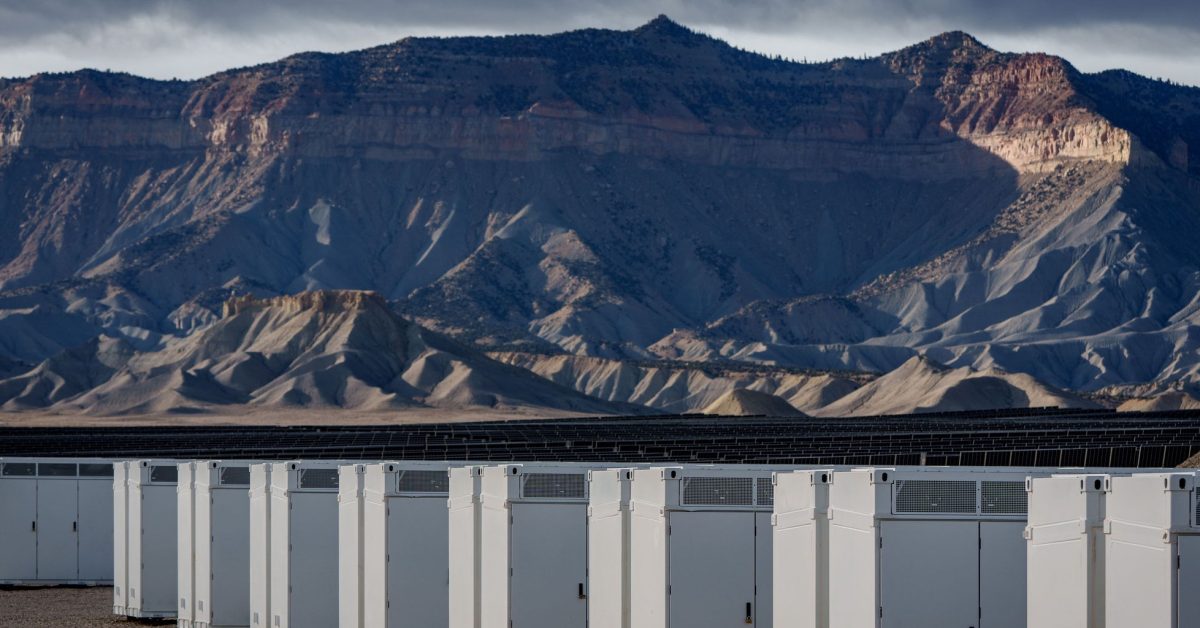
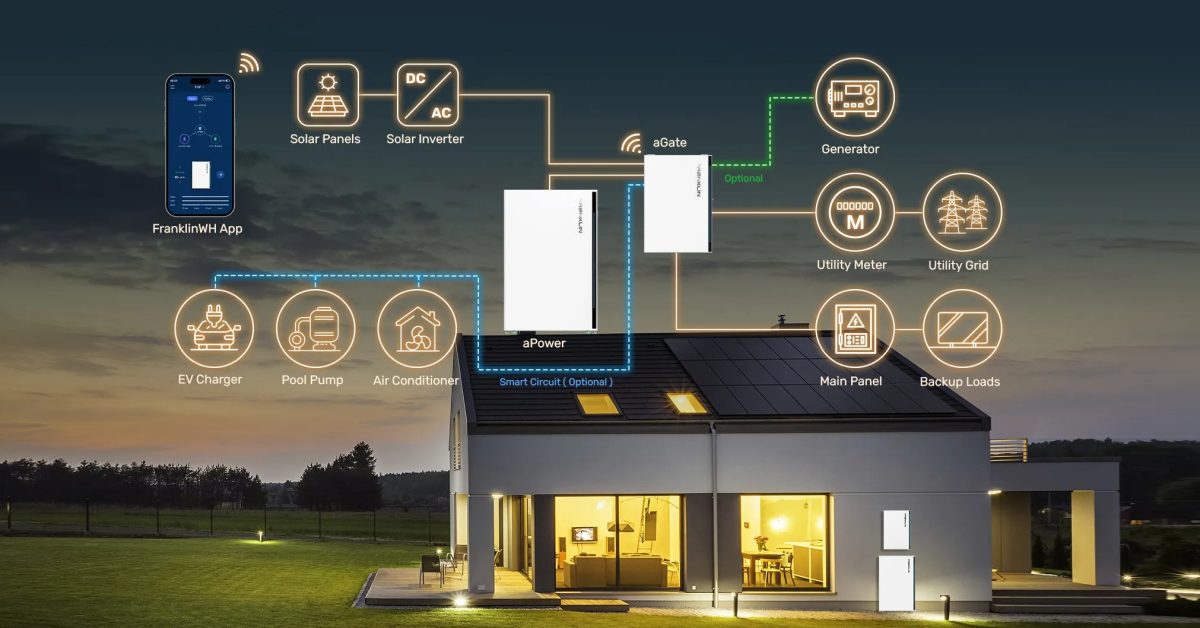
Solar hybrid minigrids typically combine photovoltaic generation with batteries and, in some cases, backup thermal generation. The appeal is practical: they can be deployed faster than large centralized infrastructure, and they can bring more predictable service to communities where extending conventional grid coverage is expensive or slow.
For policymakers and lenders, the attraction is also economic. Reliable electricity can lower operating costs for small enterprises that otherwise depend on diesel generators, reduce exposure to fuel price swings, and improve the quality of everyday services. IFC said the program is expected to expand access to reliable electricity while reducing energy costs, strengthening local economies, and enabling income-generating activity.
Those goals reflect a broader trend in African energy development. Instead of treating electrification as a single national-grid problem, public and private backers increasingly see distributed energy as a parallel buildout path. In markets with fast population growth and uneven grid performance, that approach can create quicker gains even before major transmission and generation upgrades arrive.
Finance is the story as much as technology
The headline technology here is solar, but the more important signal may be financial. Distributed energy projects often fail to scale not because the engineering is unproven, but because capital is difficult to structure at the right size and risk profile. A package supported by IFC and Norfund indicates that development finance institutions still see minigrids as bankable enough to back at meaningful scale.
That could help validate a portfolio model for off-grid infrastructure in Nigeria. Instead of placing one large bet, the backers are supporting a grouped deployment pipeline across multiple companies. If executed well, that structure can spread risk, create repeatable delivery patterns, and give local operators a stronger base for future growth.
It also suggests that minigrids are being treated less as donor-led pilots and more as investable infrastructure. That distinction matters. Pilot projects can demonstrate possibility, but only scaled financing changes access numbers fast enough to matter nationally.
What to watch next
The immediate test will be delivery. Connection targets make headlines, but the real benchmark is whether the systems are built on schedule, maintained consistently, and priced in ways households and businesses can sustain. In distributed energy, installation is only the opening act; long-term operations determine whether communities experience real improvement.
There is also a competitive dimension. The five supported companies will effectively become a live demonstration of how fast renewable service firms can execute in Nigeria’s difficult operating environment. If they can show stable performance and customer uptake, they may strengthen the case for larger follow-on capital flows into similar projects.
For now, the announcement stands out because it links climate-friendly generation, practical electrification, and development finance in a single program with a measurable connection target. In a country where lack of electricity still constrains daily life for millions, the significance of 315 minigrids is not symbolic. It is operational.
- IFC and Norfund are providing up to $83.2 million in financing.
- The funding is intended to support 315 solar hybrid minigrid sites.
- The projects are expected to create about 494,189 new electricity connections.
- IFC estimates more than 85 million people in Nigeria live without electricity.
This article is based on reporting by PV Magazine. Read the original article.
Originally published on pv-magazine.com