Rivian keeps its smaller EV plans alive
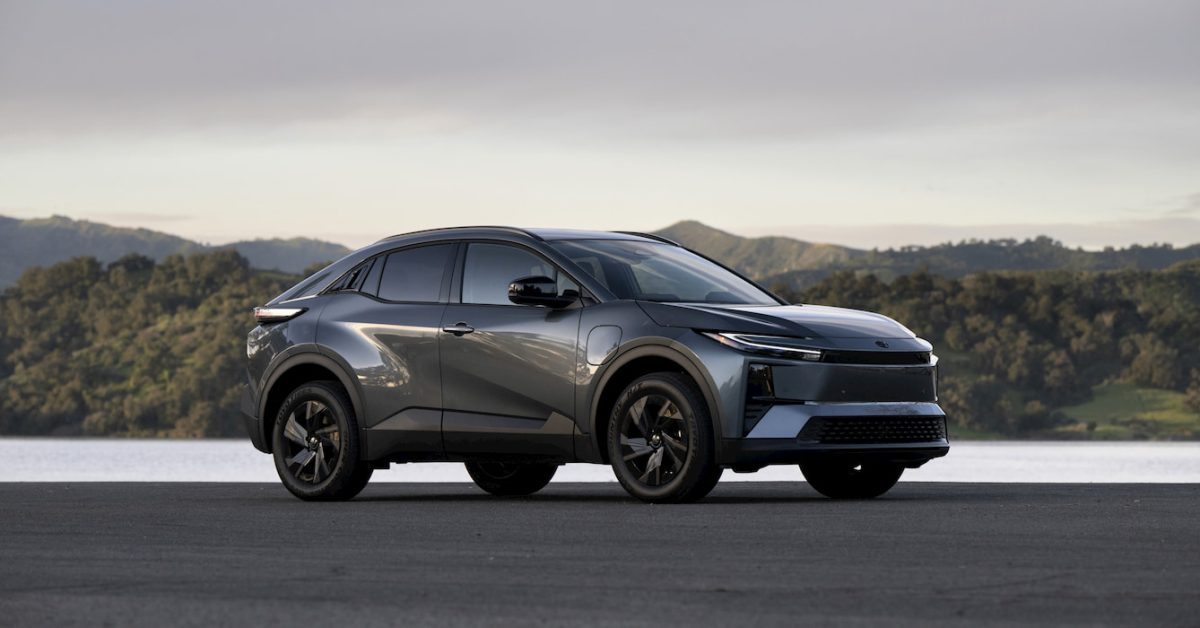
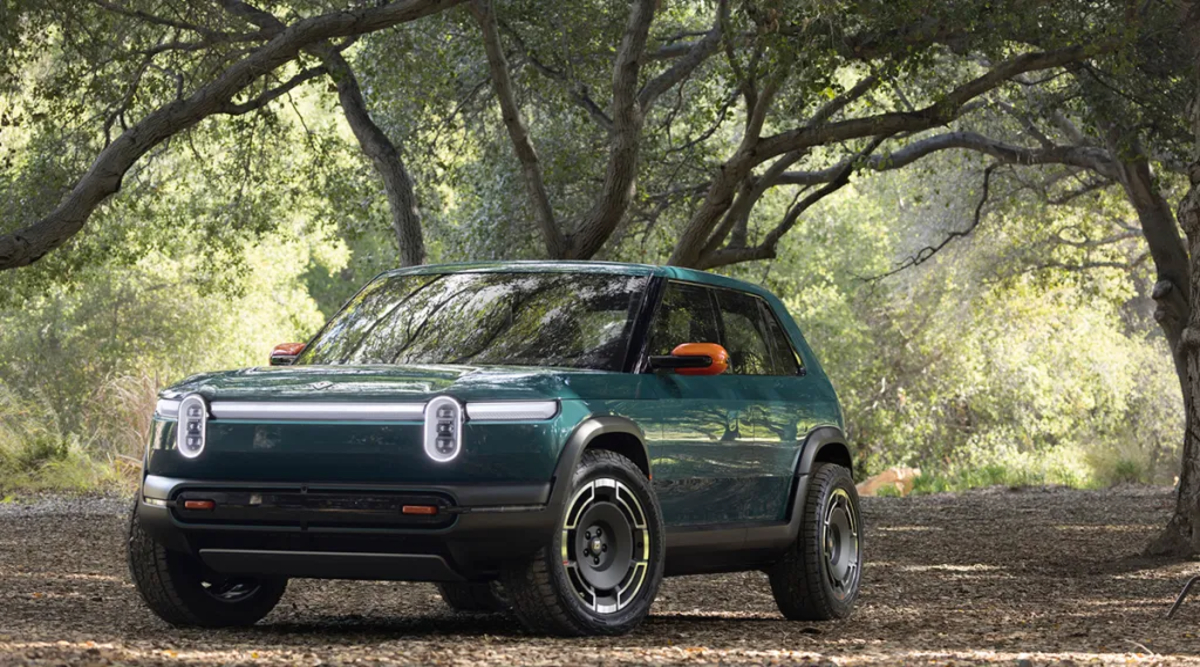
Rivian’s compact R3 and performance-oriented R3X are still headed for production, but buyers should not expect them soon. According to the supplied source material, CEO RJ Scaringe confirmed that the company still intends to build the vehicles, likely before the end of the decade, with production expected to follow the launch of the R2 and the completion of Rivian’s new factory in Georgia.
That timeline matters because the R3 family occupies an important place in Rivian’s strategy. The company has built its reputation on premium electric pickups and SUVs, but long-term scale depends on expanding into lower-priced, higher-volume segments. The R3 is positioned as a smaller five-door SUV and is expected to become the least expensive model in Rivian’s lineup. The R3X, meanwhile, is aimed at customers looking for either stronger performance or more off-road character.
Why the R3 matters more than a new model reveal
When Rivian unveiled the R2 in March 2024, it used the event to preview the R3 and R3X as the next steps in a broader product ladder. That framing remains significant. The R2 is intended to widen Rivian’s reach beyond early adopters willing to pay for larger lifestyle vehicles. The R3 takes that logic further, pushing the brand toward a more accessible price band.
The source text says Rivian expects the R3 to start below the R2’s roughly $45,000 entry price, while one outside estimate cited there places the likely range between $37,000 and $47,000. Rivian itself has not announced final pricing, and no detailed specifications have been released. But even without those numbers, the strategic intent is clear: the company needs a compelling smaller EV if it wants to move from niche premium manufacturer to durable mass-market competitor.
That challenge is especially acute in a market where buyers are increasingly price sensitive and where established automakers, Chinese manufacturers, and Tesla continue to crowd the electric crossover segment. Rivian’s brand has cachet, but scaling profitably requires more than brand affinity. It requires a platform, supply chain, and manufacturing footprint that can support lower-priced vehicles without eroding margins.

Georgia is central to the plan
The company’s new manufacturing site in Georgia appears to be the hinge point for the R3 program. According to the source text, the facility is expected to be completed in 2028, and the R3 and R3X will likely be built there. That makes the factory more than a production site; it is effectively the bridge between Rivian’s current lineup and its future ambitions.
The Georgia plant is also tied to outside capital. The source reporting says Volkswagen is investing billions of dollars in Rivian, partly to support development of a more reliable software platform for electric vehicles. That partnership has implications beyond financing. Rivian’s software architecture and zonal systems may become valuable assets in their own right if they can be applied across multiple brands or licensed more broadly.
For Rivian, that creates two possible engines of value: vehicles and software. The R3 program sits at the intersection of both. A smaller, more affordable model can only work if Rivian’s core technology stack is mature enough to be delivered at scale and at lower cost.
What Rivian has disclosed so far
While Rivian has not released full technical details, the supplied source text outlines the basic package. The R3 and R3X will share the R2 platform. Two battery sizes are planned, with the larger pack expected to provide more than 300 miles of EPA-estimated range. The vehicles will use the North American Charging Standard, giving them compatibility with Tesla’s Supercharger network.
Charging performance is another key selling point. Rivian says the R3 should be capable of charging from 10% to 80% in under 30 minutes on a high-power DC fast charger. That matters because mainstream EV adoption depends not only on sticker price and range, but on how much inconvenience remains in daily and long-distance use.

The company also outlined multiple powertrain options. The R3 and R3X are expected to be offered in single-motor and dual-motor forms, with a tri-motor variant capable of accelerating from 0 to 60 mph in under three seconds. If that figure holds in production, it would give Rivian a striking performance halo in a segment typically defined by practicality first.
The R3X is expected to arrive before the standard R3 and feature greater ground clearance. The source suggests it may also carry off-road suspension tuning, reinforcing Rivian’s effort to preserve its adventure-oriented identity even as it moves downmarket.

The long wait reflects the realities of EV expansion
The biggest takeaway is not that Rivian has another promising EV in the pipeline. It is that the company is trying to sequence its future carefully. First comes the R2. Then, if production execution and factory construction stay on course, the R3 family follows. That order reflects the high capital intensity of the EV business and the risk of stretching too far, too fast.
For consumers, the R3 could eventually become one of the most important vehicles Rivian has ever built. For investors and industry observers, it is a test of whether Rivian can translate design credibility into scalable manufacturing. The late-decade window may feel distant, but it gives a realistic sense of how hard it remains to launch lower-cost EVs at meaningful volume.
In that sense, the R3 story is not just about a new compact electric SUV. It is about whether one of the sector’s most closely watched startups can make the leap from aspiration to durable industrial execution.
This article is based on reporting by CleanTechnica. Read the original article.
Originally published on cleantechnica.com