New South Wales restarts a major state-led buildout push
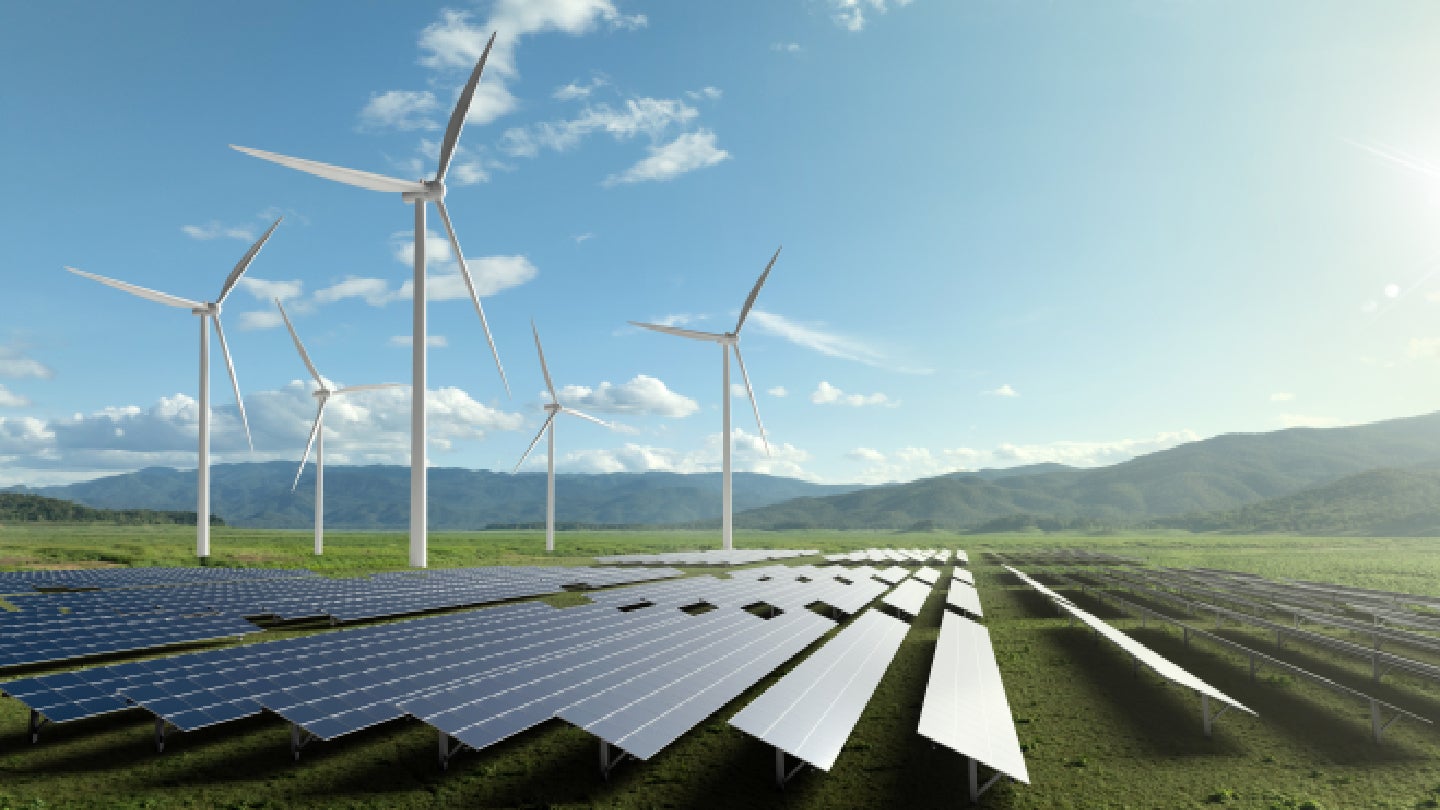
New South Wales has opened Tender 8, its largest renewable energy tender to date, seeking proposals for 2.5 gigawatts of new infrastructure under the state’s Electricity Infrastructure Roadmap. The move signals a renewed state-level push to build generation capacity as coal plant retirements approach and energy-system planning shifts from pause to execution.
According to Energy Monitor, the target capacity in this round could supply roughly one-third of homes in the state. It is also expected to move New South Wales to as much as 90% of its 2030 target of 12GW of renewable generation. At the same time, the state has announced Tender 9 with an indicative target of up to 12 gigawatt-hours of long-duration storage capacity.
Taken together, the two processes show that the state is no longer treating renewable generation and storage as separate strategic problems. It is trying to expand both sides of the system at once: new clean generation to replace aging thermal assets, and long-duration storage to stabilize output and support reliability.
Why Tender 8 matters
The size of the tender is important, but its timing may matter even more. The generation tenders had been paused while projects sought access to the Australian federal government’s Capacity Investment Scheme. According to AusEnergy Service, the Consumer Trustee managing Tender 8, the new round marks a renewed focus on the state’s own roadmap as federal allocation under that scheme nears completion.
That shift has policy significance. It suggests New South Wales is reasserting its own procurement framework rather than waiting for federal programs to carry the full investment burden. For developers, that may create a clearer state-level pathway. For the grid, it indicates urgency about lining up replacement capacity before market conditions tighten further.
The state is also responding to a practical concern: evolving market needs and anticipated coal retirements. As legacy coal-fired stations exit, replacement planning becomes less about long-term aspiration and more about sequencing. The question is not whether capacity needs to be added, but whether it can be added on time, with the right mix of generation and storage.

A new hybrid contract model
One of the more notable features in the new process is the introduction of a Hybrid Generation Long-Term Energy Service Agreement, described as the first of its kind in New South Wales. The new structure allows project developers to combine renewable generation, such as wind or solar, with battery storage at a single site.
That hybrid design addresses one of the persistent weaknesses of variable renewable power: output does not always align with demand. By pairing generation and storage under one arrangement, the state is encouraging projects that can shift electricity delivery more flexibly into periods of high demand or lower renewable output.
In practical terms, this could improve grid usefulness rather than merely adding headline megawatts. A megawatt of generation paired with storage is often more operationally valuable than a megawatt that can only produce when the resource is available and the grid is ready to absorb it.
For developers, the hybrid framework may also open more bankable project designs by giving a clearer route to monetizing both generation and storage at one site.
Storage is moving to the center
Tender 9 reinforces how central storage has become to energy planning. The state’s indicative target of up to 12GWh of long-duration storage would exceed previous targets for 2030 and 2034, according to the report. Eligible technologies include large-scale batteries and pumped hydro capable of dispatching energy for at least eight hours.
The long-duration storage agreements offer capped annuity payments to support project business cases. That matters because storage economics often remain difficult without revenue certainty, particularly for assets expected to provide system value over longer discharge periods rather than just fast frequency or short-duration arbitrage.
The broader message is clear: New South Wales is not only trying to procure renewable energy, it is trying to procure system capability. Long-duration storage can reduce curtailment, cover evening demand peaks, and cushion supply swings as more variable renewables enter the mix.
The investment and delivery challenge
The ambition of the tenders does not eliminate execution risk. Energy Monitor notes that projects seeking generation support must reach final investment decision and account for network upgrade needs and grid-integration risks. Those caveats are important because large renewable programs can be slowed not by lack of interest, but by transmission bottlenecks, connection delays, permitting complexity, and construction timing.
That means the success of Tender 8 will depend on more than announced capacity. It will depend on whether selected projects can move through financing, engineering, and interconnection without major delays. The inclusion of storage may help, but it also adds complexity to design and procurement.
Still, the tender structure reflects a more mature phase of the transition. Rather than pursuing isolated clean-energy additions, the state is shaping a portfolio meant to respond to reliability needs, market evolution, and coal exits simultaneously.
NSW Climate Change and Energy Minister Penny Sharpe said Tender 8 alone would deliver enough energy to power about one-third of homes in the state. That is the political headline. The deeper significance is that New South Wales is trying to turn energy-transition targets into contracted infrastructure at scale.
If the procurement lands well, the state will have strengthened both its renewable pipeline and its long-duration storage position. If it falters, the pressure created by retiring coal assets will only intensify. For now, Tender 8 marks one of the clearest signals yet that the state is pushing from planning into a larger, more integrated buildout phase.
This article is based on reporting by Energy Monitor. Read the original article.
Originally published on energymonitor.ai