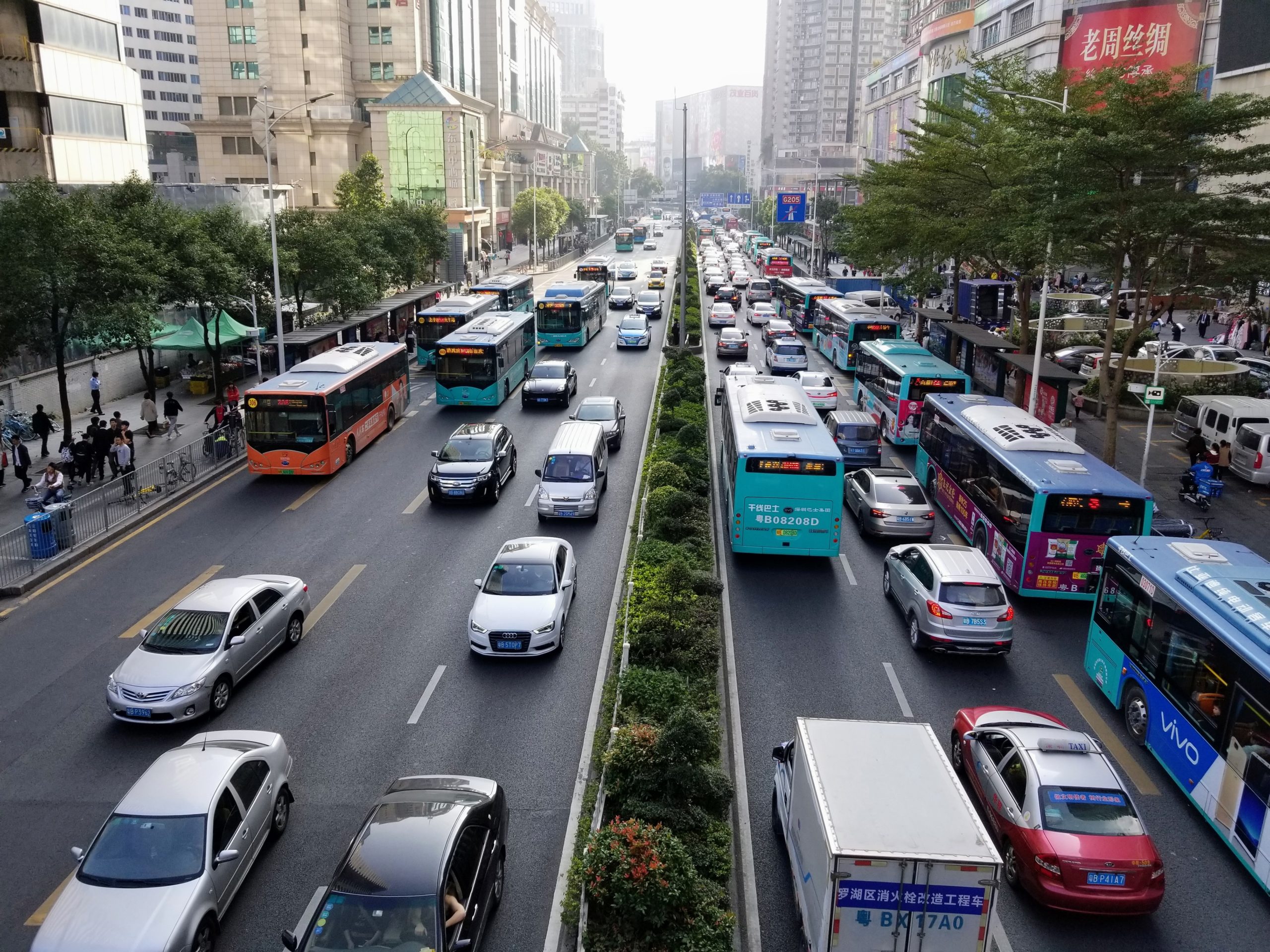
Transit electrification in Latin America has reached a new scale
Latin America and the Caribbean now have more than 9,900 electric buses in operation, according to figures cited from E-Bus Radar. The milestone is significant because it highlights a part of transport electrification that often receives less attention than passenger cars, even though buses can deliver large public-health and system-level gains.
The number includes battery-electric buses and trolleybuses. It also reinforces a regional trend that has been building for years: in many markets, public transport fleets can move toward electrification faster, and with broader social impact, than the private vehicle market alone.
That matters because buses are high-utilization vehicles. A single bus can carry large numbers of passengers across long operating hours, meaning electrification affects many people at once. Replacing diesel vehicles in that segment changes not only fuel use, but also daily exposure to tailpipe pollution for riders, drivers, and residents along major routes.
In other words, this is not simply a big fleet statistic. It is an indicator of how transport decarbonization can scale when cities and operators treat public transit as infrastructure rather than as a niche consumer market.
Why buses matter more than their media profile suggests
Private electric cars dominate much of the public conversation around clean transport. They are consumer products, status symbols, and easy vehicles to compare model by model. Buses are different. They are usually procured by transit agencies, fleet operators, or municipalities, and their electrification story is less about individual preference than about planning, budgets, routes, and grid integration.
Yet the strategic value of electric buses is hard to overstate. Diesel buses move large numbers of people, but they also concentrate pollution in dense urban environments where exposure is repeated and unavoidable. Electrifying that fleet can cut local exhaust emissions in places where the health burden of conventional transit is highest.
The source text emphasizes those health and environmental benefits directly, arguing that diesel and gasoline fleets create toxic air pollution, contribute to climate change, and carry broader geopolitical and ecological costs associated with fossil fuels. Electric buses, by contrast, can run on domestically generated electricity, including power from solar, wind, hydropower, and geothermal sources.
That last point is especially important for countries seeking to reduce dependence on imported fuel. Public transport consumes energy every day, at predictable intervals, and on known routes. That makes it a strong candidate for electrification when policymakers want to connect transport policy with energy security.

The regional picture
The reported total of more than 9,900 buses shows that Latin America is no longer in an experimental phase on this issue. A fleet that large implies sustained procurement, charging and depot planning, operator training, and maintenance systems across multiple jurisdictions.
The source text identifies the top manufacturers in the region as BYD, Foton, Yutong Bus, and Zhongtong Bus, underscoring the role of Chinese companies in supplying electric bus platforms at scale. That reflects a wider global pattern in commercial EVs, where Chinese manufacturers have built substantial volume and export capacity.
The regional count also matters because it includes the Caribbean, broadening the geography beyond the largest mainland cities. That suggests electrified transit is not confined to one or two showcase urban centers, even if adoption remains uneven and concentrated in particular markets.
One reason buses can move more quickly than private vehicles is operational logic. Fleet owners can plan charging around depot schedules, route lengths, and electricity tariffs. They do not need a mass consumer charging network to get started. For public authorities, that means a smaller number of high-impact procurement decisions can produce visible change relatively quickly.
The economics behind the shift
The source text points to another advantage: electricity typically costs less than gasoline or diesel. For fleets that log many hours and many kilometers per day, operational savings can be substantial over time, even if upfront vehicle costs remain higher.
That does not eliminate the financing challenge. Electric buses require capital, charging infrastructure, and planning discipline. But because they are used intensively, the financial case can be clearer than it is for lower-mileage personal vehicles. High utilization means the fuel and maintenance effects are felt more quickly.
The article also notes that large bus batteries can serve another purpose: energy storage. In principle, those batteries can support backup power or virtual power plant concepts, creating links between transit electrification and broader grid strategy. Even where that functionality is not yet fully deployed, it points to an increasingly important idea in the energy transition. Vehicles are not just loads; they can also become flexible assets.
For regions with expanding renewable generation, that possibility becomes especially interesting. Transport electrification can then align with cleaner power supply, rather than merely shifting emissions from tailpipe to smokestack.

Why the fleet total is a meaningful benchmark
Round numbers are not policy in themselves, but they help clarify whether a sector is advancing. More than 9,900 electric buses is a useful benchmark because it shows the region has accumulated enough operating experience for fleet electrification to be discussed in terms of scale rather than novelty.
That does not mean the transition is finished. Many conventional buses remain in service, and the regional total says nothing about distribution, route quality, financing conditions, or charger reliability in each market. But milestones still matter because they change the frame of the conversation. The question becomes less “can this work?” and more “how fast can it spread?”
The answer will vary country by country. Some systems will be constrained by budgets, others by procurement capacity, and others by electricity infrastructure. Even so, the regional count shows that the practical barriers are not insurmountable. Thousands of buses are already operating.
A transport story with health and energy consequences
The strongest argument for electric buses is not that they are fashionable or even that they are technically interesting. It is that they concentrate benefits. They lower exposure to exhaust in busy corridors, they can reduce fuel-import pressure, and they make decarbonization visible in a part of the transport network used by millions of people.
That is why the Latin American milestone deserves attention beyond clean-tech circles. Public transit is where electrification can stop looking like a premium consumer option and start functioning like public infrastructure. A bus fleet affects commuting, air quality, municipal budgets, energy demand, and industrial supply chains all at once.
With more than 9,900 electric buses now operating across Latin America and the Caribbean, the region has crossed an important threshold. The significance is not only the fleet size. It is the fact that transit electrification has become real enough, large enough, and routine enough to count as a structural shift rather than a pilot program.
This article is based on reporting by CleanTechnica. Read the original article.
Originally published on cleantechnica.com




