A policy many considered unrealistic is starting to show results
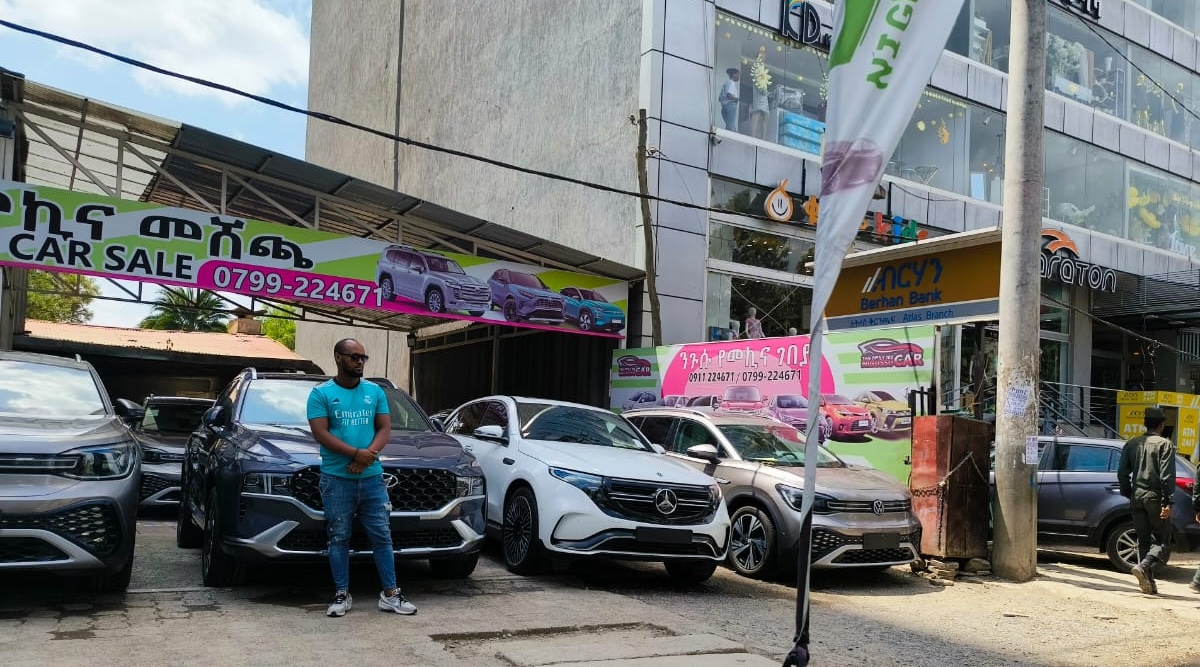
Two years after Ethiopia banned the import of vehicles powered by internal combustion engines, the country is becoming one of the clearest examples of how aggressive policy can reshape an auto market. According to the supplied source text, Ethiopia imported 44,358 electric vehicles from China in 2025, more than double the 19,386 imported in 2024.
The scale of that increase matters in any market, but it is especially notable in a country where electricity supply remains uneven and power cuts are common, including in the capital, Addis Ababa. The source text describes that contradiction directly. Ethiopia does not have a robust, fully functioning grid, yet consumers are still moving toward EVs because the alternative is also deeply constrained.
The immediate pressure point is fuel. Ethiopia spends about $4.2 billion each year on fuel imports, according to the source text, putting strain on scarce foreign currency reserves. That macroeconomic burden appears to be one of the main reasons the government moved so forcefully against combustion-engine imports in the first place.
Why EVs are gaining traction despite grid weakness
At first glance, unreliable electricity should be a major obstacle to EV adoption. In practice, Ethiopia’s chronic fuel shortages have created a different cost-benefit calculation. The supplied source text cites a driver in Addis Ababa who said long waits at petrol stations could last two to three hours even when arriving early, and that stations often ran out before everyone in line could fill up.
That anecdote helps explain why EV adoption is advancing even without ideal charging conditions. For many drivers, the comparison is not between a seamless gasoline experience and a seamless electric one. It is between two constrained systems, one of which may save time, reduce uncertainty, and lessen exposure to imported fuel costs.
The numbers suggest the shift is no longer marginal. More than 115,000 EVs are now on Ethiopia’s roads, according to the source text, accounting for about 8% of all cars in the country. China is supplying much of that growth. In 2025, Ethiopia reportedly represented about a third of Africa’s EV imports from China, ahead of South Africa, Egypt, Morocco, and Nigeria.

An African market to watch closely
Ethiopia’s importance goes beyond its own vehicle market. Much of Africa faces a similar structural tension: dependence on imported fuels, limited refining capacity, and uneven grid infrastructure. That creates a difficult environment for transport electrification, but also a potentially strong policy rationale for it.
The Ethiopian case suggests that a weak grid does not automatically prevent EV uptake if fuel insecurity is severe enough and if the government is willing to intervene decisively. It also suggests that consumers may adopt EVs earlier than expected when the day-to-day pain of conventional fueling becomes acute.
Still, this is not a simple success story. A country can import tens of thousands of EVs faster than it can build reliable charging networks, grid capacity, maintenance ecosystems, or affordable financing. The source text itself underscores the instability of power supply. That means Ethiopia’s next phase is likely to be less about headline vehicle imports and more about whether the supporting infrastructure can keep pace.
What the latest figures actually show
- Ethiopia imported 44,358 EVs from China in 2025, up from 19,386 in 2024.
- The 2025 shipments were valued at more than $200 million.
- More than 115,000 EVs are now on Ethiopian roads.
- EVs account for about 8% of the country’s total car fleet.
- Ethiopia spends roughly $4.2 billion annually on fuel imports.
Those figures do not guarantee long-term success, but they do show that Ethiopia’s transport policy has already moved beyond symbolism. The market has changed measurably. Vehicle flows have shifted. Consumers are adapting. And a country that many observers assumed lacked the electrical foundation for large-scale EV adoption is now setting the pace on the continent.
For the wider clean-energy sector, Ethiopia is becoming a more consequential story than a typical EV sales trend. It is a live test of whether energy security, foreign-exchange pressure, and industrial policy can accelerate electrification even before infrastructure is fully ready. If that experiment continues to hold, other import-dependent markets may study it closely.
This article is based on reporting by CleanTechnica. Read the original article.
Originally published on cleantechnica.com