Fresh capital for a specialized corner of clean energy finance
Finance technology company Crux has secured a $500 million debt financing facility from Nuveen Energy Infrastructure Credit, giving the firm more capacity to fund what it describes as tax-driven investments tied to clean energy deployment. The company said the money will support structures including hybrid tax equity.
The announcement points to continuing investor appetite in a market that has changed rapidly since the Inflation Reduction Act made many clean energy tax credits transferable. Crux has positioned itself as a platform connecting tax credit buyers and sellers, and later expanded into tax and preferred equity offerings.
Why hybrid tax equity is getting more attention
According to the supplied source, Crux says hybrid tax equity structures now account for more than 75% of all tax equity investments based on its market data. That is a notable sign of how financing models are adapting as developers and manufacturers look for more flexible ways to monetize incentives.
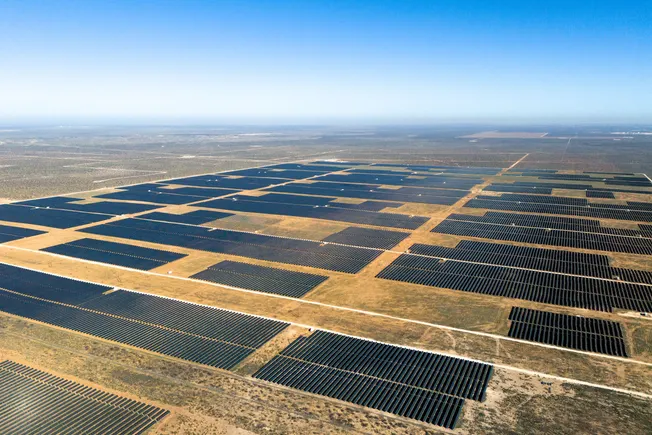
The company also said it has executed more than $1 billion in signed term sheets since launching its tax and preferred equity offering in September, with more than $9 billion in indications of interest. One cited example is a $340 million tax equity investment supporting a 413-megawatt utility-scale solar project in Texas.
These numbers suggest that tax-credit monetization is no longer a niche administrative process. It is becoming a core infrastructure layer for project financing.

Momentum despite policy headwinds
One of the more striking details in the source is that the clean energy tax equity market still grew 23% year over year from 2024 even after the One Big Beautiful Bill Act curtailed many Inflation Reduction Act tax credits in July. That indicates the market remains active even in a less favorable policy environment.
Crux argues the need is being driven by surging electricity demand linked to AI, electrification, and population growth. Whether that demand ultimately translates into all the projects developers want to build will depend on grid constraints, permitting, and broader financing conditions. But the capital side of the equation is clearly still moving.
In that sense, the facility is not just a company funding event. It is evidence that specialized financial infrastructure around clean energy incentives is continuing to deepen rather than retreat.
What the deal means for the market
The practical importance of the Nuveen facility is speed. If Crux can commit capital more quickly alongside institutional partners, it may help move projects through financing bottlenecks at a time when developers are balancing policy uncertainty with rising demand for domestic power supply.
Clean energy investment is often discussed in terms of technology costs or federal credits. This deal is a reminder that structuring capital is just as important. Transferability created a new market. Hybrid tax equity appears to be shaping what that market looks like in practice.
For Crux, the facility is a milestone. For the broader sector, it is a sign that financing innovation around tax credits remains a live growth area even after a more turbulent policy year.
This article is based on reporting by Utility Dive. Read the original article.

Originally published on utilitydive.com




