One of Latin America’s fastest-growing EV markets just accelerated again
Colombia’s electric-vehicle market posted another breakout month in April 2026, with sales rising 316 percent from a year earlier and total EV market share reaching 22 percent, according to the supplied source text. Battery-electric vehicles accounted for nearly all of that momentum, pushing the country deeper into a rapid transition that now looks stronger than many observers expected even a few months ago.
The headline number is not simply that sales grew. It is that the structure of the market appears to be changing at speed. The source text reports almost 6,000 EV sales in April, more than quadruple the result from April 2025. Battery-electric vehicles made up 88 percent of those sales, while plug-in hybrids accounted for 12 percent. In other words, Colombia is not merely adding electrified vehicles at the margins. It is becoming a more BEV-heavy market as prices fall and model availability improves.
The immediate significance is regional. Colombia is showing how quickly demand can move when pricing, model mix, and delivery timing align. The broader significance is strategic. For automakers and policymakers watching EV adoption in emerging markets, Colombia offers an example of how market share can change once electric models become competitive not just on environmental grounds but on straightforward purchase economics.
Price cuts and deliveries changed the equation
The source material attributes much of the recent acceleration to aggressive price reductions that began in late 2025, led mainly by Tesla. It says most EVs can now be considered slightly cheaper than comparable internal-combustion vehicles in the Colombian market, and much cheaper than hybrids, even if some of the more affordable offerings come with relatively limited range. That pricing shift appears to have helped remove one of the biggest barriers to adoption.
Timing also mattered. The source text notes that Tesla’s cumulative reserves had been building since November 2025, but deliveries only ramped up significantly in March. That helped drive the market share jump from 12.1 percent in February to 20.2 percent in March and then to 22 percent in April. A change that might otherwise have played out gradually instead arrived in a concentrated burst.
This kind of inflection point matters because it can alter consumer expectations. Once buyers see EVs closing the price gap with combustion vehicles, and once headline models begin appearing in meaningful volume on the road, the category can start to look less experimental and more mainstream. Colombia appears to be moving through that phase now.
Tesla takes the lead as BYD loses ground
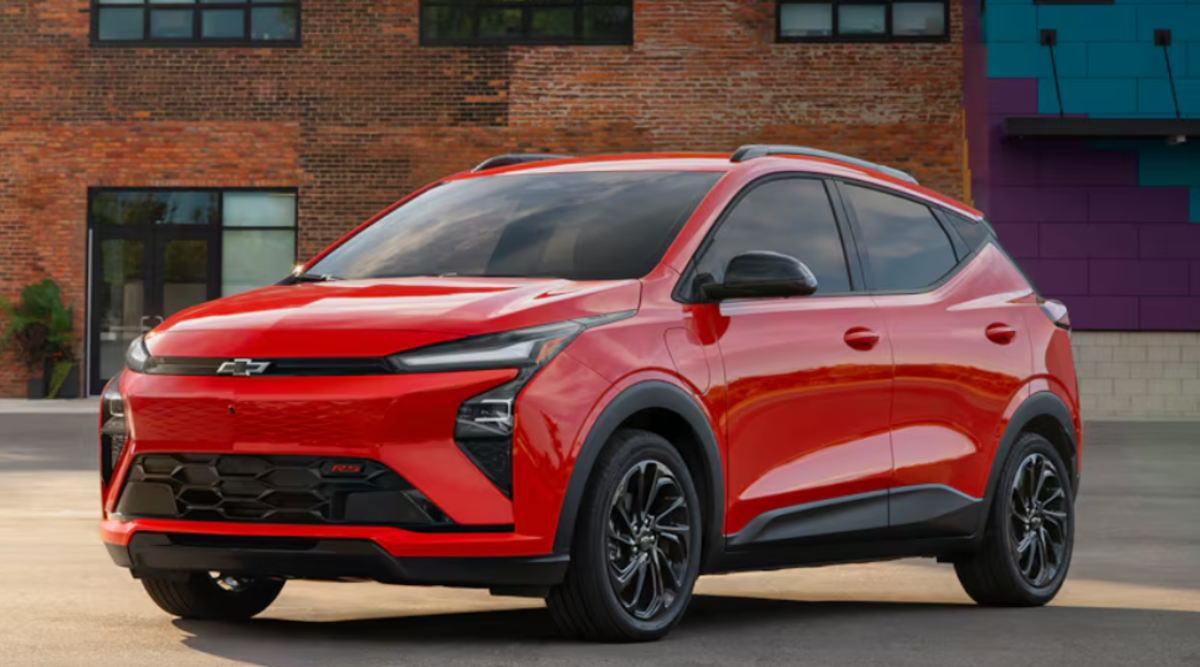
The source text describes a “seismic shift” in brand leadership. Where BYD had dominated earlier, Tesla now commands more than 50 percent of EV sales in April, while BYD’s share fell to 21 percent. Deepal took the third spot, with Chery and Chevrolet completing the top five. Chevrolet’s position is tied in part to a strategy of rebadging Chinese EVs.
At the model level, the Tesla Model Y was not only the best-selling EV in April but also the top-selling vehicle overall in the Colombian market, according to the supplied material. That is an important threshold. It suggests EV adoption is no longer limited to niche urban buyers or early adopters. A battery-electric model leading the entire market is a sign that the competitive center of gravity is shifting.
The market’s brand turnover is also a reminder that EV transitions do not belong automatically to one company or one country of origin. They are shaped by price, availability, financing, logistics, and local consumer fit. Tesla’s current lead may prove durable or temporary, but the April numbers show that established standings can change quickly when a major supplier begins delivering at scale.
The next phase may be even more competitive
The source text argues that the current surge is happening before several additional non-Tesla models arrive, including the MG4, Geely EX2 and EX5, Dongfeng Viggo, and Chery E5. If those launches materialize as expected, the market could become both larger and less concentrated. That would matter for buyers, who would gain more choice, and for incumbents, which would face sharper pressure on price and features.
There is also a notable technical split inside the market. Even though BEVs have strengthened their share because of lower prices, plug-in hybrids continue to grow as well. The source material describes that persistence as somewhat surprising, given that BEV prices have moved far below comparable PHEVs. That may indicate that some buyers still value the backup and familiarity of a fuel tank, especially in areas where charging confidence remains uneven.
Even so, the overall direction is unmistakable. A market once dominated by a narrower set of electrified options is now tilting decisively toward fully electric vehicles. The fact that BEVs account for 88 percent of April’s EV sales suggests buyers are not treating battery-electric models as a compromise segment.
Colombia is becoming a serious EV case study
Colombia’s April results are significant because they combine growth, market-share gains, and a change in competitive leadership. The country has moved beyond incremental progress into the kind of acceleration that forces industry players to reassess assumptions. When EVs become cost-competitive, when a major brand scales deliveries, and when additional rivals are about to enter, the market can shift far faster than conventional forecasts suggest.
That does not guarantee a straight-line path from here. Delivery waves, pricing strategies, and new competition can all reshape the rankings again. But the evidence in April is strong: Colombia is no longer an emerging EV market in a tentative phase. It is a fast-moving one that is already producing lessons for the wider industry.
- Colombia’s EV sales rose 316 percent year over year in April 2026.
- EV market share reached 22 percent, up from 12.1 percent in February.
- Battery-electric vehicles represented 88 percent of EV sales.
- Tesla captured more than half of EV sales in April, overtaking BYD.
- Several new non-Tesla models are still expected to enter the market.
This article is based on reporting by CleanTechnica. Read the original article.
Originally published on cleantechnica.com