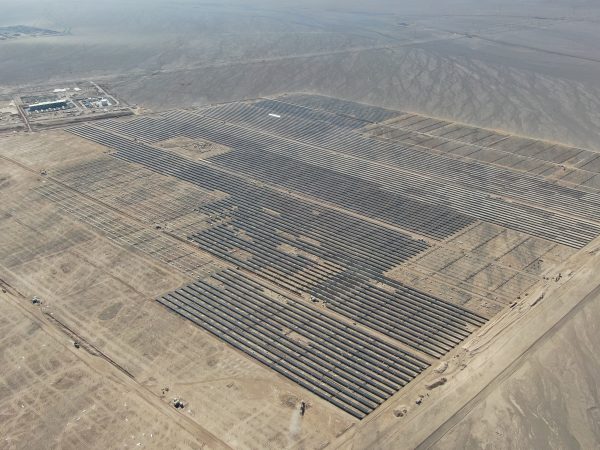
Solar is no longer a side contributor in Chile’s power mix
Chile’s electricity system is offering one of the clearest signals yet of how quickly a modern grid can change when solar deployment accelerates. In March 2026, solar photovoltaic generation produced 2,141 gigawatt-hours in the country’s National Electric System, equal to 28.7% of total monthly generation. At one point, solar output reached an instantaneous share of 75.1%, according to the latest bulletin from Generadoras de Chile.
Those figures do more than mark another renewable energy milestone. They show a grid in which solar is now capable of dominating supply for stretches of the day, forcing the rest of the system to adapt around that reality.
A renewable-heavy system is becoming the norm
The broader context makes the solar numbers even more significant. Renewable sources supplied 62% of the National Electric System’s monthly generation in March, and the renewable share stayed above 50% throughout all 31 days of the month. This is not an isolated high-output afternoon. It points to a system where renewables have become a structural majority source over sustained periods.
Installed photovoltaic capacity reached 11,999 megawatts at the end of March, and the pipeline remains large. Another 10,203 megawatts of renewable capacity is under construction, mainly in solar projects and storage systems. That combination matters because Chile’s challenge is no longer simply adding more clean generation. It is integrating increasingly large volumes of variable power without wasting them.

Storage is moving from helpful to essential
The latest bulletin also points to the continued expansion of battery energy storage systems linked to solar plants. More than 2.5 gigawatts of storage is already in operation, with another 6.3 gigawatts under construction. Those numbers suggest that Chile’s next stage of electricity transition will be shaped as much by storage as by generation.
That shift is predictable. When solar can hit three-quarters of instantaneous generation, the system needs flexible tools to absorb excess daytime production and release it later. Batteries can reduce curtailment, smooth output, and help move solar energy into evening demand peaks. In a market where renewable buildout is already advanced, storage stops being a supplementary technology and becomes a core grid asset.
Success is exposing infrastructure strain
Chile’s renewable expansion is also revealing a more difficult truth: building generation faster than transmission can create congestion and wasted energy. The report highlights rising renewable curtailment and transmission grid bottlenecks in southern Chile. That means some clean electricity is available but cannot always be transported or used when and where it is produced.
This is a familiar turning point for fast-moving power transitions. Early policy and investment often focus on adding new generation, especially when solar economics improve quickly. But once renewable penetration rises, the bottlenecks shift. Transmission planning, storage deployment, operational flexibility, and market design begin to matter just as much as the next wave of solar modules.
In Chile’s case, the problem is almost a backhanded compliment. The country has added so much renewable capacity that the supporting network is under pressure to catch up.

What Chile’s numbers mean beyond Chile
Many electricity systems talk about high renewable futures in abstract terms. Chile is increasingly living one. A grid where solar can supply 28.7% of monthly generation and briefly reach 75.1% instantaneous share offers a real-world case study for countries trying to understand what deep solar penetration looks like in practice.
The lesson is not simply that solar can grow very large very quickly. It is that the second-order effects arrive fast. Curtailment becomes a political and economic issue. Transmission limitations become visible. Storage investment shifts from optional to urgent. Market operators need tools for balancing variability at scale.
That makes Chile a useful reference point for other sun-rich markets, especially those with ambitious clean-energy targets and uneven grid infrastructure.
The next phase is system design, not just capacity growth
Chile’s March performance shows that the country has moved beyond the stage where renewable success can be measured only by how many megawatts get installed. The more important question now is how effectively the power system can use what has already been built.
If battery deployment and grid upgrades keep pace, Chile could turn its solar abundance into a more stable, lower-emission electricity model with fewer curtailment losses. If not, the country may continue to generate impressive renewable records while leaving part of that clean power stranded.
Either way, the message from March is clear: Chile’s energy transition is no longer about proving that solar can lead. It is about proving that the rest of the grid can keep up.
This article is based on reporting by PV Magazine. Read the original article.

Originally published on pv-magazine.com