African electric motorcycles enter a scaling phase
African electric motorcycle manufacturing is moving into a new stage, according to industry developments highlighted by CleanTechnica: the argument is no longer mainly about whether the segment can work, but about how the strongest companies refine products, localize supply chains, and scale efficiently.
That shift follows years of early pilots and commercial rollouts. The sector’s underlying logic has been consistent for some time. Across several African countries, there is a very large market of internal-combustion motorcycle taxis, often operating with heavy daily usage, thin profit margins, and high maintenance burdens. For riders in that system, lower operating and maintenance costs can make electrification economically attractive even before broader climate arguments enter the picture.
The scale of the opportunity
One of the most important figures in the source material is the estimate of more than 30 million internal-combustion motorcycle taxis across several African countries. That creates a vast installed market where even incremental conversion can add up quickly. The article also points to structural enablers that have helped the sector gain traction: established motorcycle financing systems and battery-as-a-service models that reduce the upfront barrier for riders.
Those models matter because vehicle economics in commercial two-wheeler transport are shaped less by prestige features than by daily cash flow. If a rider can reduce fuel and maintenance costs without taking on an unmanageable initial expense, electric motorcycles become easier to justify as working assets.
The result, according to the report, is a crowded field. More than 100 companies have entered the electric motorcycle sector across the continent. But adoption is beginning to separate leaders from the rest, especially as sales volumes rise and market share becomes measurable.

Evidence that adoption is no longer theoretical
The source cites tens of thousands of electric motorcycles being sold each year across several countries. It also highlights Kenya as an example where electric motorcycles have reached 16 percent or more of overall motorcycle sales in the market. That is a notable threshold because it suggests electrification is no longer confined to demonstration projects or niche urban fleets.
Once adoption reaches that level, the competitive focus changes. Manufacturers are no longer just proving that riders will accept the vehicles. They are improving durability, integrating lessons from earlier product generations, increasing locally sourced components, and tuning business models for scale.
Spiro’s position and its new engineering push
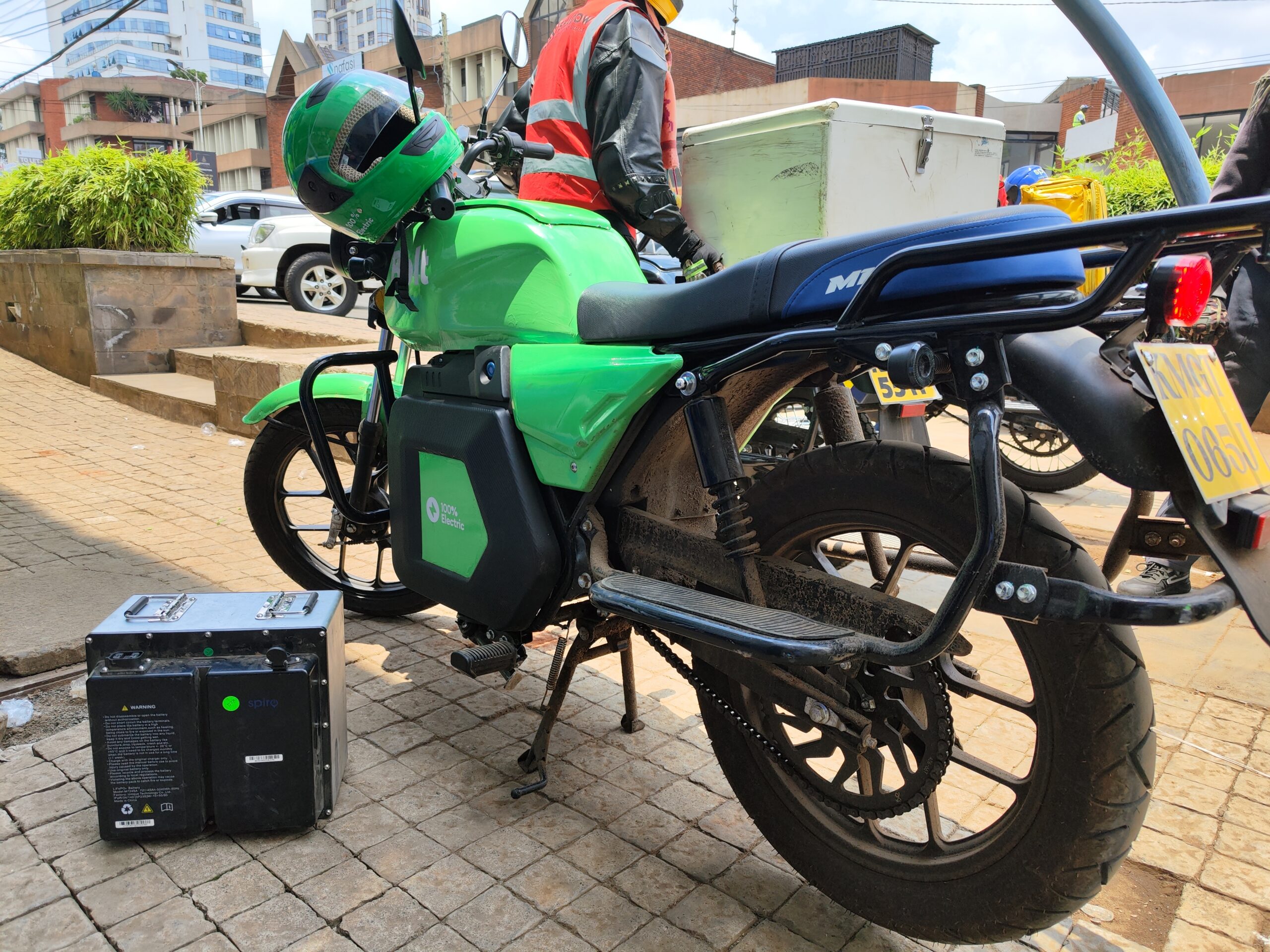
The clearest company case in the source is Spiro, described as the continent’s largest player. Spiro says it has deployed more than 100,000 electric motorcycles across several countries, built more than 2,500 swapping stations, and completed more than 30 million battery swaps. Those figures point to something more significant than vehicle sales alone: an ecosystem of energy distribution designed around uptime.
Battery swapping is especially relevant in commercial motorcycle use because downtime directly affects rider income. A refueling model that resembles the speed and convenience of conventional fueling can help close one of the biggest perceived gaps between electric and internal-combustion operation.
Spiro’s recent acquisition of Coexlion shows how the sector’s leaders are now leaning into engineering depth. Coexlion is described as a motorcycle engineering and design firm with a team of 28 engineers that has contributed to more than 25 motorcycle programs globally. Its expertise spans electric two-wheelers, chassis and frame development, vehicle integration, reliability engineering, battery systems, and industrial design.
That acquisition suggests Spiro is trying to build more control over product development and localization as it expands. In other words, the next phase may be defined less by importing generic hardware and more by tailoring vehicles for African operating conditions, service networks, and supply realities.
Why this matters beyond mobility
The growth of electric motorcycles in Africa has broader economic implications. If the value proposition holds, electrification can reduce exposure to fossil-fuel costs for one of the continent’s most important everyday transport segments. It can also support domestic industrial capabilities if more components and engineering work are localized over time.
The report does not claim that all barriers have been solved, and it should not be read as proof that every entrant will thrive. But it does provide evidence that the sector has moved beyond speculation. There are meaningful sales volumes, measurable market share in at least one important market, and clear signs that leading firms are investing in product improvement and manufacturing capability.
The central development is simple: Africa’s electric motorcycle story is no longer just about first adoption. It is increasingly about operational excellence, engineering differentiation, and industrial scale. That is a more consequential stage, and it is usually the one that determines which markets become durable industries rather than promising experiments.
This article is based on reporting by CleanTechnica. Read the original article.
Originally published on cleantechnica.com