Ein Meilenstein auf dem langen Weg zum freihändigen Fahren
General Motors hat damit begonnen, eine Testflotte von 200 Fahrzeugen mit seiner nächstgenerierten freihändigen und fahrerlosen Autonomietechnologie auf öffentlichen Autobahnen in Kalifornien und Michigan einzusetzen. Das Testprogramm, das diese Woche angekündigt wurde, markiert einen bedeutenden Meilenstein bei den Bemühungen des Autoherstellers, SAE Level 3-Autonomietechnologie einzuführen. Dies ist eine Kategorie, die es Fahrern ermöglicht, sich vollständig von der Fahrtaufgabe zu lösen und ihre Aufmerksamkeit woanders hinzuwenden, während das Fahrzeug in seiner Betriebsdesignbereich für alle Fahrentscheidungen verantwortlich ist.
Der Unterschied zwischen Level 2 und Level 3 ist mehr als technisch, er ist rechtlich und kommerziell. Bei Level-2-Systemen wie dem bestehenden Super Cruise von GM und vergleichbaren Funktionen von Wettbewerbern müssen Fahrer wachsam bleiben und jederzeit bereit sein, die Kontrolle zu übernehmen, auch wenn sie das Fahrzeug nicht aktiv steuern. Bei Level 3 übernimmt das Fahrzeug unter definierten Bedingungen die vollständige rechtliche Verantwortung für die Fahrtaufgabe, und der Fahrer kann seine Aufmerksamkeit legitimerweise ablenken, lesen, Videos ansehen oder andere Aktivitäten ausüben. Kein Serienfahrzeug, das in den USA verkauft wird, hat bisher den zertifizierten Level-3-Status unter Autobahnbedingungen erreicht.
Escalade IQ als Startplattform
GM hat bestätigt, dass das Level-3-System auf den Markt für das Modelljahr 2028 des elektrischen Cadillac Escalade IQ abzielt, mit Autobahnfahrten als anfänglichem Betriebsrahmen. Der Escalade IQ ist Cadillac-Flaggschiff-SUV, der sich als Technologie-Schaufenster für die Fähigkeiten der Ultium-Plattform der Marke positioniert. Die Einführung eines branchenweit ersten Level-3-Systems in der Cadillac-Palette – eine Marke mit starken Assoziationen mit Luxus und Technologie – stimmt mit GMs Strategie überein, Cadillac als Vorreiter für seine fortschrittlichsten Automobiltechnologien zu nutzen.
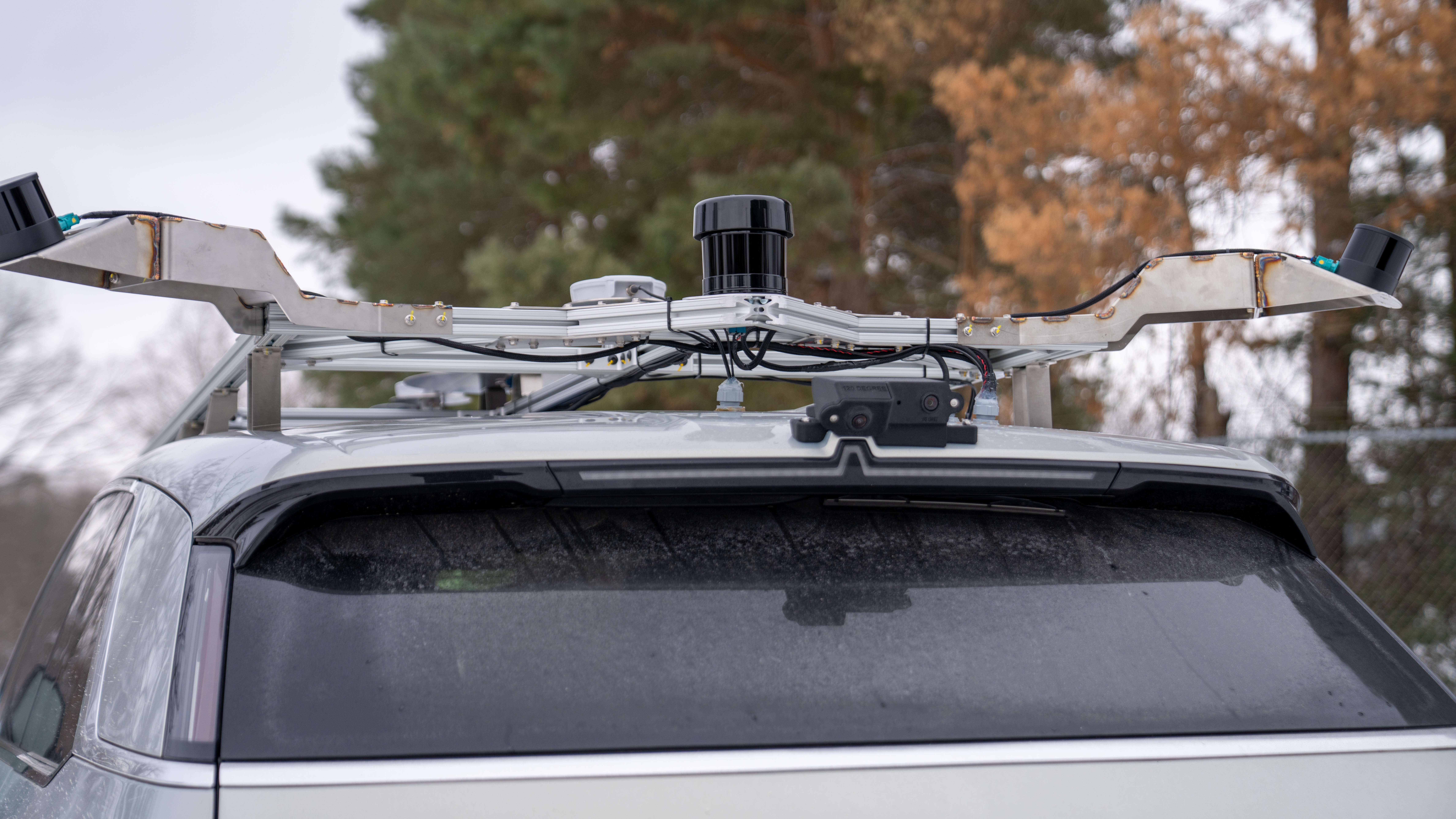
Die aktuelle Testflotte besteht aus Fahrzeugen, die mit Vor-Serien-Hardware ausgestattet sind, die die beabsichtigte Konfiguration für die Serienproduktion genau widerspiegelt. Die Sensorik umfasst ein vorwärtsorientiertes LiDAR-System, das in der Lage ist, die unmittelbare Umgebung des Fahrzeugs präzise dreidimensional abzubilden, mehrere Langstrecken-Radareinheiten, die alle Richtungen abdecken, und ein erweitertes Kamera-Array mit überlappender Abdeckung des vollständigen 360-Grad-Feldes. Eine redundante Computerarchitektur stellt sicher, dass der Ausfall einer einzelnen Verarbeitungseinheit nicht zum unerwarteten Trennen des Systems führen kann, ohne dem Fahrer ausreichend Zeit zur Übergabe zu geben.

Was fahrerlose Autonomie in der Praxis bedeutet
Level-3-Systeme erlegen strikte Betriebsbedingungen auf, die die Umgebung definieren, in der die automatische Fahrtfunktion aktiviert werden kann. Das System von GM wird zunächst auf geteilten Autobahnen mit deutlichen Fahrspurenmarkierungen, innerhalb angegebener Geschwindigkeitsbereiche und unter akzeptablen Wetterbedingungen betrieben. Das System soll Autobahnfahraufgaben bewältigen, einschließlich Spurhaltung, Geschwindigkeitsregelung, Fahrzeugfolge und sichere Spurwechsel ohne Fahrereingriff.
Wenn das System auf Bedingungen außerhalb seiner Betriebsdesignbereich trifft – eine Baustelle, die komplexe Navigation erfordert, schlechtes Wetter oder eine Situation, mit der es nicht sicher umgehen kann – initiiert es eine Übergabeaufforderung. Der Fahrer wird mit eskalierenden Audio- und Sichtwarnungen benachrichtigt und erhält einen definierten Zeitraum, typischerweise mehrere Sekunden, um die manuelle Kontrolle wieder aufzunehmen. Wenn der Fahrer nicht reagiert, führt das System ein Mindestrisikomöver aus: sicheres Verlangsamen und gegebenenfalls Anhalten des Fahrzeugs an der sichersten verfügbaren Position.
Das Management von Übergabeaufforderungen ist eine kritische Ingenieur- und Regulierungsherausforderung für Level-3-Systeme. Im Gegensatz zu Level 2, bei dem die Fahrerlässigkeit technisch ein Fahrerversagen ist, werden Level-3-Systeme voraussichtlich elegant in die manuelle Kontrolle wechseln, selbst wenn der Fahrer sich wirklich vom Straßenüberwachen abgelenkt hat. Regulierungsbehörden und Sicherheitsforscher haben die Gestaltung und das Testen dieser Übergabenprotokolle genau überprüft.
Regulatorische Landschaft für Level 3
Kalifornien und Michigan – die beiden Staaten, die für GMs Tests auf öffentlichen Straßen ausgewählt wurden – haben beide regulatorische Rahmenbedingungen für Level-3-Autonomiefahrzeuge auf öffentlichen Straßen etabliert, was ihre Rollen als wichtige Zentren für die Entwicklung von Automobiltechnologie widerspiegelt. Beide Staaten verlangen eine nachgewiesene Sicherheitsleistung in umfangreichen kontrollierten Tests, bevor öffentliche Straßengenehmigungen erteilt werden, und beide führen Meldepflichten für Vorfälle durch, die Regulierungsbehörden Einblick in die Systemleistung unter realen Bedingungen geben.
Die föderale Regulierungsklarheit zu Level-3-Systemen in Serienfahrzeugen ist eine langjährige Lücke. Die NHTSA entwickelt aktualisierte Federal Motor Vehicle Safety Standards, um die spezifischen Sicherheitsleistungsanforderungen für automatische Fahrsysteme zu berücksichtigen, aber der Regelungsausbau ist langsam vorangekommen. GM ist in Vor-Markt-Konsultationen mit NHTSA engagiert und erwartet, die für den Produktionsstart notwendige Regulierungsklarheit weit vor dem Zieldatum 2028 zu erhalten.
Mercedes-Benz verfügt über ein DRIVE PILOT-System, das für den Level-3-Betrieb in Deutschland zertifiziert ist, und hat mit der limitierten Bereitstellung in den USA in Nevada unter staatlicher Genehmigung begonnen, was eine Machbarkeitsstudie für die Vorschriften bietet, dass Seriensystem Level-3-Systeme in wichtigen Märkten Zertifizierungen erreichen können.
Wettbewerbslandschaft
GM betritt den Raum der fahrerlosen Autobahnfahrten vor den meisten traditionellen Autoherstellern, aber in einem Markt, in dem die Verbrauchererwartungen durch Teslas Autopilot- und Full-Self-Driving-Systeme geprägt wurden, die trotz ehrgeiziger Marketingsprache auf Level 2 betrieben werden. Mehrere Analysten glauben, dass ein zertifiziertes Level-3-System – eines, das die rechtliche Verantwortung tatsächlich vom Fahrer auf das Fahrzeug überträgt – für die Luxuslinie von GM ein bedeutender kommerzieller Differenziator sein könnte, wenn das System unter realen Bedingungen zuverlässig funktioniert.
Die breitere Autonomiefahrzeuglandschaft hat sich erheblich von den ehrgeizigen Prognosen der Mitte der 2010er Jahre kontrahiert. Waymo, der mit Google verbundene Robotaxi-Operator, hat volle Autonomie in definierten geografischen Gebieten demonstriert, aber die Zeitleiste für standardmäßige Personenkraftwagenautonomie bei höheren SAE-Niveaus wurde wiederholt verschoben. GMs Level-3-Autobahnsystem stellt einen bescheideneren, aber kommerziell erreichbaren kurzfristigen Meilenstein auf dem Weg zu dieser langfristigen Vision dar.
Dieser Artikel basiert auf Berichten von Automotive News. Lesen Sie den Originalartikel.
Originally published on autonews.com