Ein geparktes Auto, ein Polizeieinsatz und keine klare Entschädigung
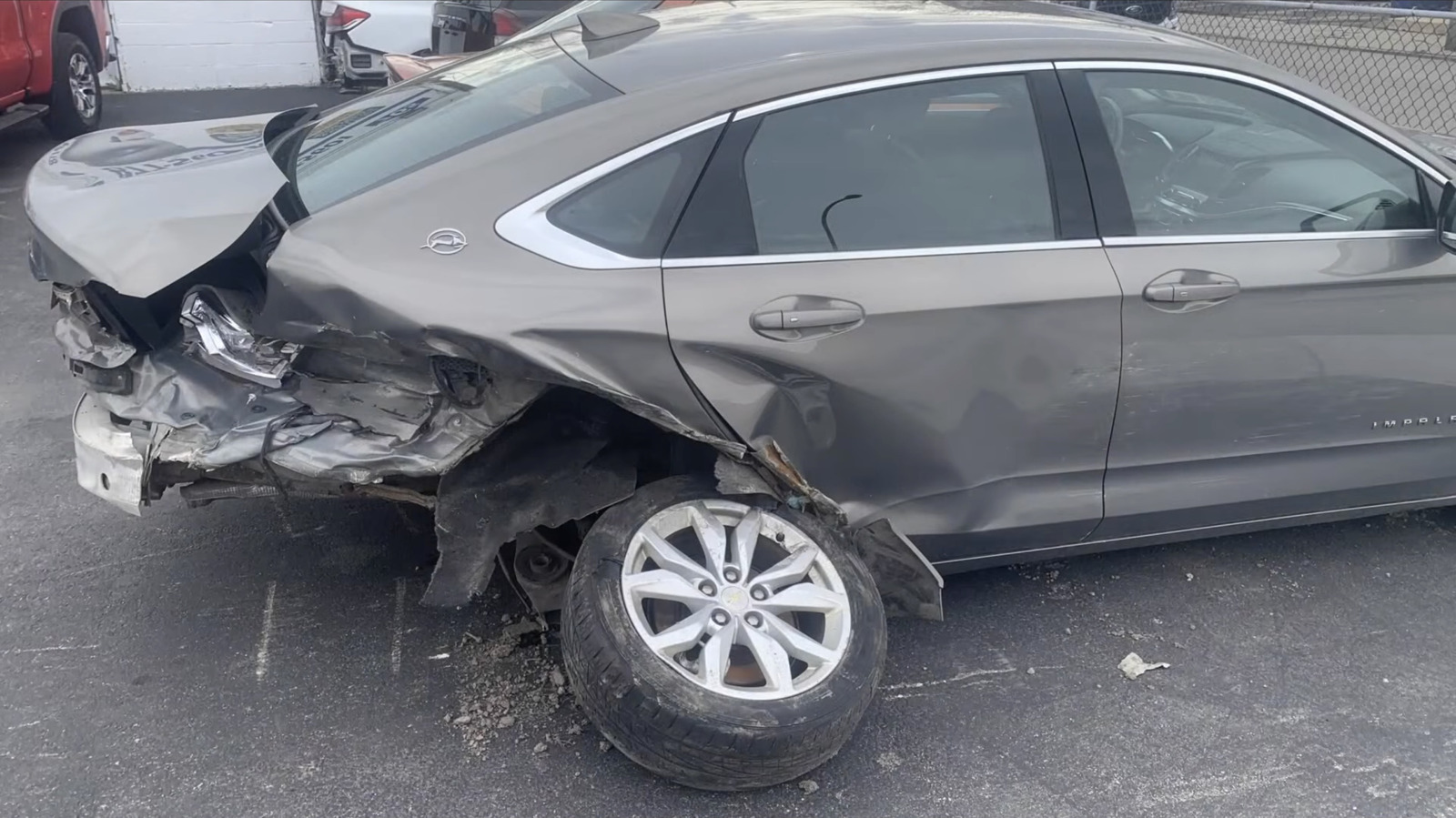
Ein Unfall in Buffalo, New York, ist zu einem deutlichen Beispiel dafür geworden, wie Verkehrsrisko auf Menschen fallen kann, die nichts dazu beigetragen haben. Laut dem zugrunde liegenden Bericht wurde der Chevy Impala von Katherine Scaglione zum Totalschaden, nachdem ein Verdächtiger, der vor einem bewaffneten Raubüberfall floh, angeblich ein Fahrzeug entwendet und drei unbesetzte geparkte Autos gerammt hatte. Scagliones Auto traf es am schwersten.
Der zugrunde liegende Vorfall begann an einem 7-Eleven in der Prospect Avenue, wo zwei Polizeibeamte aus Buffalo offenbar in einen laufenden bewaffneten Raubüberfall gerieten. Die Polizei identifizierte den Verdächtigen als Dejuan Williams. Dem Bericht zufolge flüchtete Williams zu Fuß, entwendete ein vorbeifahrendes Fahrzeug, fuhr davon und prallte später gegen geparkte Autos. Scaglione saß nicht in ihrem Fahrzeug, und das Auto war an dem früheren Verbrechen nicht beteiligt.
Der frustrierende Teil für die Besitzerin ist nicht nur der Verlust des Autos, sondern die Versicherungslücke, die folgte. Scaglione hatte eine Haftpflichtversicherung, aber keine Vollkasko oder Teilkasko. Da die Haftpflichtversicherung Schäden abdeckt, die der Versicherungsnehmer anderen zufügt, übernahm sie den Schaden an ihrem eigenen geparkten Auto nicht. Der Unfall war nicht ihre Schuld, aber das brachte ihre Police nicht dazu, dafür zu zahlen.
Das Versicherungsproblem
Der Fall zeigt einen Unterschied, der leicht übersehen wird, bis ein Schaden eintritt. Haftpflichtdeckung ist auf Verantwortung gegenüber anderen ausgelegt. Verursacht ein Fahrer einen Unfall, kann diese Deckung für Schäden an Fahrzeug oder Eigentum einer anderen Person aufkommen, vorbehaltlich der Vertragsbedingungen und Grenzen. Sie dient in der Regel nicht als Schutz für das eigene Fahrzeug des Versicherungsnehmers, wenn eine andere Person den Schaden verursacht.
Scagliones Lage war besonders schwierig, weil sie den Bericht zufolge den Impala von einem Familienmitglied gekauft und nicht finanziert hatte. Da kein Kreditgeber eine umfassendere Deckung verlangte, war eine Vollkasko nicht vorgeschrieben. Der Bericht merkt außerdem an, dass sie sich diese umfassendere Deckung nicht leisten konnte. Damit war sie rechtlich versichert, aber finanziell einem Verlust ausgesetzt, den sie nicht verursacht hatte.
Theoretisch könnte die Person, die den Schaden verursacht hat, auf Schadensersatz verklagt werden. In der Praxis kann dieser Weg schwierig sein. Der Verdächtige in dem Bericht sah sich bereits mit schweren Vorwürfen konfrontiert, darunter versuchter Raub, versuchter Mord im Zusammenhang mit der mutmaßlichen Schussabgabe auf einen Ladenangestellten, Schüsse auf Polizisten, versuchte Körperverletzung und unerlaubter Waffenbesitz. Selbst wenn ein Opfer einen rechtlichen Anspruch hat, kann es ungewiss oder unrealistisch sein, Geld von einem mutmaßlichen Täter zu erhalten.
Fragen zur Polizeiverfolgung sind hier komplizierter
Polizeiverfolgungen werfen oft Fragen der öffentlichen Sicherheit auf, weil Hochgeschwindigkeitsfahrten Unbeteiligte gefährden können. Der Bericht macht in diesem Fall jedoch einen Unterschied: Williams wurde zum Zeitpunkt des Aufpralls nicht von der Polizei verfolgt. Die Beamten hatten ihn zu Fuß verfolgt, aber er war ihnen entkommen, und andere Beamte hatten die Verfolgung noch nicht übernommen.
Dieser Unterschied ist wichtig, wenn es um die Zuweisung von Verantwortung geht. Der Bericht stellt dies nicht als eine Verfolgungsjagd mit Polizeifahrzeugen dar, die den Verdächtigen direkt in den Crash gedrängt hätte. Stattdessen folgte der Schaden auf eine mutmaßliche Fahrzeugentwendung und einen anschließenden Unfall, nachdem der Verdächtige vom ursprünglichen Tatort geflohen war. Der Bericht weist außerdem darauf hin, dass selbst ein vorgeschlagenes New Yorker Verbot vieler Polizeiverfolgungen eine Ausnahme vorsehen würde, wenn das Verhalten des Fahrers unmittelbar schwere Körperverletzung oder den Tod von Unbeteiligten, Beamten oder dem Fahrer selbst bedroht.
Das macht das Ergebnis für die Fahrzeughalterin nicht leichter. Es verengt lediglich die wahrscheinlichen Wege der Entschädigung. Die Polizei hat das Auto nicht gerammt. Die Haftpflichtpolice der Besitzerin deckte ihr eigenes Fahrzeug nicht ab. Der mutmaßliche Täter ist möglicherweise keine praktische Quelle für eine Zahlung. Das Ergebnis ist ein Mobilitätsverlust, der eine unbeteiligte Person trifft.
Eine breitere Lehre für Fahrzeughalter
Der Fall erinnert daran, dass nicht schuld zu sein etwas anderes ist als gegen einen Verlust versichert zu sein. Fahrer denken oft in Begriffen der gesetzlichen Pflicht: Haben sie genug Versicherung, um ein Auto zuzulassen und zu fahren? Doch eine Deckung, die die gesetzlichen Anforderungen erfüllt, schützt möglicherweise nicht den Wert des Fahrzeugs selbst.
Bei älteren Fahrzeugen entscheiden sich Halter häufig, dass Vollkasko oder Teilkasko die Prämie nicht wert sind. Das kann eine rationale Entscheidung sein, besonders wenn das Haushaltsbudget knapp ist. Aber dann versichert sich der Halter faktisch selbst gegen Schäden am Fahrzeug, sofern nicht eine andere Versicherung oder die rechtlich verantwortliche Partei zahlt. Ist diese andere Partei nicht versichert, unbekannt, zahlungsunfähig oder einer Straftat beschuldigt, kann der Weg zur Erstattung sehr schmal sein.
Scagliones Geschichte zeigt auch, warum geparkte Fahrzeuge nicht risikofrei sind. Straßenparken kann ein Auto Fahrerflucht, Diebstahlschäden, Wetter und Vorfällen aussetzen, die nichts mit dem Fahren des Besitzers zu tun haben. All diese Risiken zu vermeiden ist oft unmöglich, besonders in dicht besiedelten Vierteln mit begrenzten Stellplätzen abseits der Straße.
Was der Vorfall zeigt
- Ein geparkter Chevy Impala einer Frau aus Buffalo wurde nach einem mutmaßlichen bewaffneten Raubüberfall, einer Fahrzeugentwendung und einem Crash zum Totalschaden.
- Die Besitzerin hatte nur eine Haftpflichtversicherung, die Schäden an ihrem eigenen Fahrzeug nicht abdeckte.
- Laut dem Bericht sieht sich der Verdächtige mehreren schweren Anklagen gegenüber.
- Der Bericht sagt, dass die Polizei das Fahrzeug zum Zeitpunkt des Aufpralls nicht aktiv verfolgte.
Die Geschichte ist weder ein Technologiestart noch eine neue Verkehrspolitik, aber sie ist eine bedeutende Geschichte über Mobilitätssysteme: Die finanzielle Architektur rund um alltägliche Mobilität kann Menschen im Stich lassen, die ohne eigenes Verschulden geschädigt werden. Ein Fahrzeug kann für einen Haushalt eine essenzielle Infrastruktur sein, und wenn es zerstört wird, kann der Unterschied zwischen reiner Haftpflicht und umfassenderer Deckung darüber entscheiden, ob der Halter einen realistischen Weg zurück zur Mobilität hat.
Dieser Artikel basiert auf einem Bericht von Jalopnik. Den Originalartikel lesen.
Originally published on jalopnik.com