Die F-15EX beginnt zu dem Mehrzweckflugzeug zu werden, das ihr Design schon immer angedeutet hat
Die F-15EX Eagle II der US Air Force ist weiterhin vor allem eine Luft-Luft-Plattform, insbesondere für die Heimatverteidigung. Neue Berichte von The War Zone zeigen jedoch, dass sich das Missionsspektrum der Maschine bereits zu erweitern beginnt. Die Ausbildungsaktivität der 142. Wing der Oregon Air National Guard sowie die Herkunft und Nutzlastauslegung der F-15EX deuten darauf hin, dass Luft-Boden-Fähigkeiten längst keine ferne Möglichkeit mehr sind. Sie werden allmählich zu einem Teil dessen, wie das Flugzeug eingesetzt werden wird.
Dieser Wandel ist wichtig, weil die F-15EX mit einer vergleichsweise engen unmittelbaren Anforderung in Dienst gestellt wurde. Sie sollte die alternden F-15C Eagles in Aufgaben ersetzen, die auf Lufthoheit und innere Verteidigung ausgerichtet sind. Das Flugzeug ist jedoch von der F-15QA abgeleitet und gehört zur breiteren F-15E Strike Eagle-Familie, einer Linie, die auf Mehrzweck-Flexibilität ausgelegt ist. Praktisch gesehen war die Maschine von ihrer Konstruktion her nie auf Luft-Luft-Kampf beschränkt. Der begrenzende Faktor war der Missionsfokus, die Ausbildung und die Zeit, die nötig war, um neue Einsatzverbände auf Stand zu bringen.
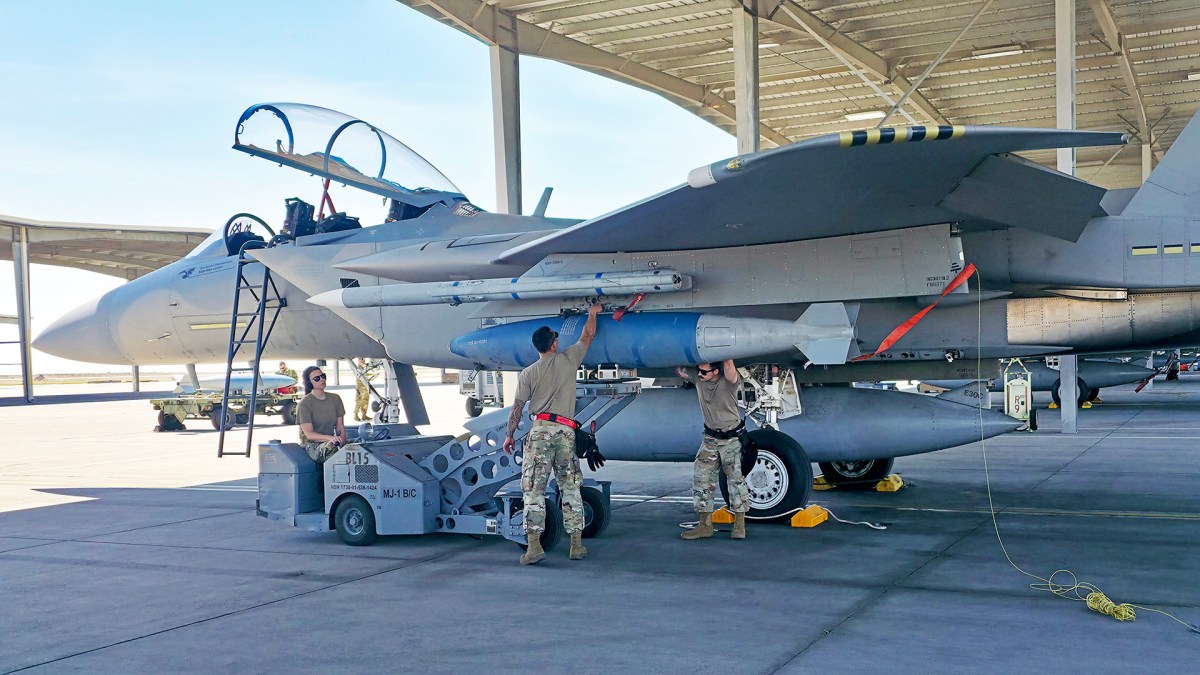
Nun werden die ersten sichtbaren Anzeichen dieser Erweiterung erkennbar. Dem bereitgestellten Quellentext zufolge sagte die 142. Wing, dass einer ihrer F-15EX während eines Besuchs auf der Mountain Home Air Force Base in Idaho im Mai erstmals Übungsbomben abgeworfen habe. Die Einheit berichtete, ihre Besatzungen hätten in 10 Einsätzen insgesamt 24 BDU-50 und 12 BDU-56 abgeworfen, ohne Sicherheitsvorfälle und mit zufriedenstellenden Ergebnissen.
Warum inerte Bomben weiterhin wichtig sind
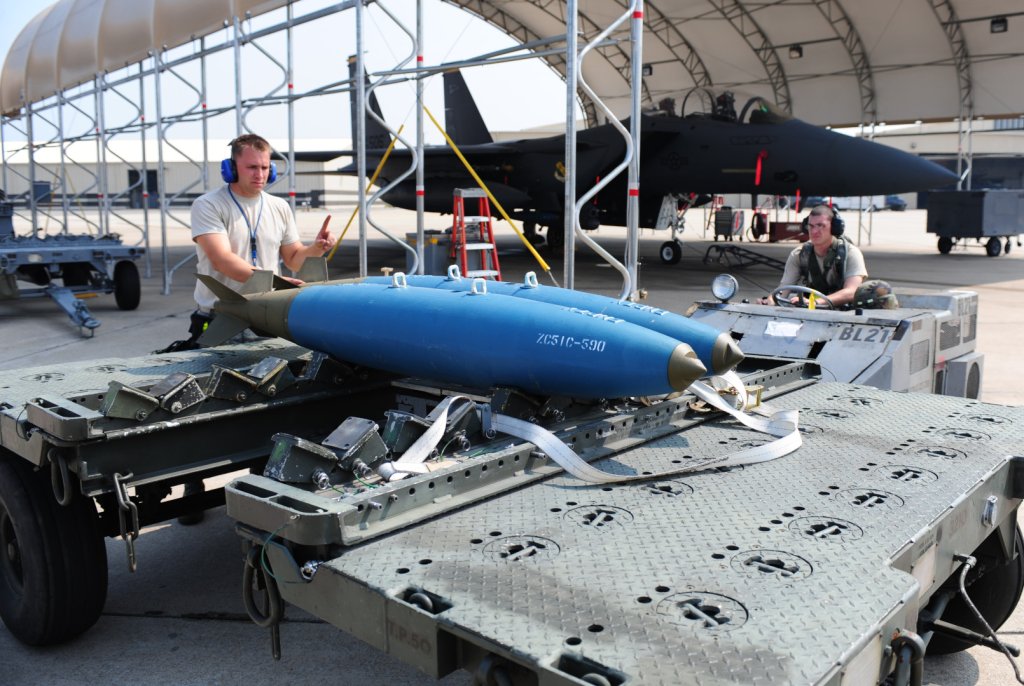
Bei den im Training verwendeten Munitionen handelte es sich um inerte Übungswaffen und nicht um scharfe Munition. Die BDU-50/B und BDU-56/B bilden Form und Gewicht der 500-Pfund-Klasse der Mk-82-Serie und der 2.000-Pfund-Klasse der Mk-84-Serie nach. Im heutigen US-Dienst werden Waffen aus diesen Bombenfamilien häufig mit Präzisionskits wie Paveway-Laserlenkung oder JDAM-GPS-gestützter Lenkung kombiniert. Doch selbst ungelenkte Übungsbestände erfüllen einen wichtigen Zweck.
Sie ermöglichen es Flugbesatzungen und Wartungspersonal, die Grundlagen von Luft-Boden-Operationen einzuüben: das Be- und Entladen von Waffen, den sicheren Umgang am Boden, das Management von Freigabeverfahren sowie das Durcharbeiten von Angriffsprofilen und Zielerfassungsprozessen in der Luft. Diese Schritte sind grundlegend, aber grundlegend bedeutet nicht trivial. Eine Kampfjettruppe, die von einer Ein-Missions-Kultur zu einer breiteren übergeht, muss diese Fähigkeiten von Grund auf aufbauen.
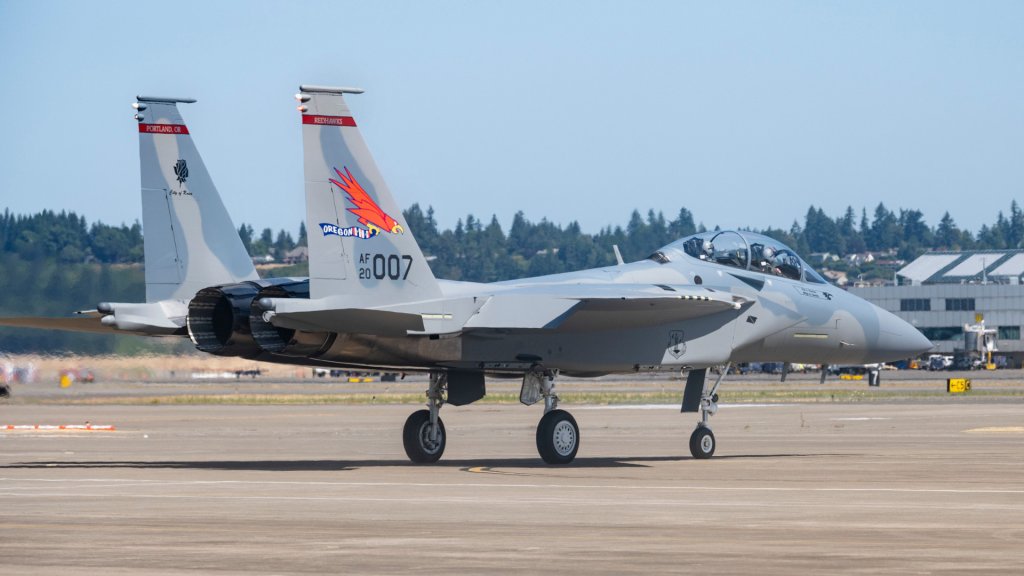
Das gilt besonders für die 142. Wing. Ihr bisheriges Flugzeug, die F-15C, hatte keine operative Luft-Boden-Rolle. Der Wechsel zur F-15EX bedeutet daher mehr als nur einen Tausch der Zelle. Er bedeutet, Personal auf ein breiteres Einsatzkonzept umzuschulen. Die gemeldeten Bombenabwürfe sind ein Zeichen dafür, dass dieser Übergang auf operativer Ebene bereits im Gange ist, nicht nur in Planungsdokumenten.
Von der Heimatverteidigung zur Mehrzwecktiefe
Der aktuelle Schwerpunkt der F-15EX auf der Luftverteidigung bleibt intakt. Nichts im bereitgestellten Quellmaterial deutet darauf hin, dass die Air Force diese Rolle aufgibt. Stattdessen deuten die Hinweise auf eine schrittweise Erweiterung der Fähigkeiten hin. Diese Unterscheidung ist wichtig. Das Flugzeug wird nicht plötzlich zu einer Angriffsplattform erster Priorität. Es wird einfach weniger eng definiert.
Für die Air Force bietet das mehrere Vorteile. Eine Mehrzweck-Flotte aus F-15EX kann zusätzliche Flexibilität in der Einsatzplanung bieten, vor allem wenn die Nachfrage nach Flugzeugen oft das Angebot übersteigt. Die Maschine ist bereits bekannt für ihre hohe Nutzlast, ihre ausgereifte Unterstützungsbasis und ihre Kompatibilität mit einem breiten Waffenökosystem aufgrund ihres Strike-Eagle-Erbes. Die Erweiterung ihres nutzbaren Missionsspektrums könnte sie in einem breiteren Spektrum von Krisen wertvoller machen.
Es verringert auch das Risiko, ein modernes Flugzeug in eine künstlich eingeschränkte Rolle zu drängen. Wenn der Dienst in eine Plattform mit strukturellem und systemischem Potenzial für Schlagmissionen investiert, dann würde es ungenutzte Fähigkeiten bedeuten, diesen Aspekt nicht weiterzuentwickeln. Die neue Trainingsaktivität deutet darauf hin, dass die Air Force das erkannt hat und entsprechend handelt.
Hinzu kommt eine institutionelle Logik. Verbände, die von den alten F-15C umstellen, brauchen Zeit, um die Maschine zu beherrschen, und die erste Priorität eines operativen Geschwaders mit Verteidigungsauftrag ist die Einsatzbereitschaft in seiner Kernrolle. Sobald diese Basis steht, kann das Training auf Luft-Boden-Fähigkeiten ausgeweitet werden. Das Bombenabwurfevent im Mai passt genau in dieses Muster: ein kontrollierter, begrenzter Schritt hin zu einem breiteren Einsatzprofil.
Was das Training über das Programm sagt
Der wichtigste Punkt in der Berichterstattung ist nicht bloß, dass Bomben abgeworfen wurden. Entscheidend ist, dass die Aktivität von der ersten operativen F-15EX-Einheit ausging und damit zeigt, dass die Missionsausweitung innerhalb der bereits eingesetzten Truppe stattfindet, nicht nur bei Testorganisationen. Das macht die Entwicklung bedeutsamer als eine einmalige Demonstration.
Aus dem Quellentext ergeben sich mehrere Programmsignale.
- Die Air Force betrachtet den Luft-Luft-Kampf weiterhin als Kernauftrag der F-15EX, insbesondere für die Heimatverteidigung.
- Operative Besatzungen üben bereits Luft-Boden-Aufgaben, beginnend mit dem Einsatz inerten Bomben und den Grundlagen des Waffenhandlings.
- Die Wurzeln der Maschine in der Strike-Eagle-Familie machen diese Erweiterung technisch wenig überraschend, auch wenn sie erst jetzt im Training auf Verbandsebene sichtbar wird.
- Der Übergang von der F-15C zur F-15EX ist auch ein Übergang von einer engeren zu einer flexibleren Missionskultur.
Gerade dieser letzte Punkt dürfte mit der Zeit besonders wichtig werden. Flugzeugprogramme werden oft anhand von Hardware-Spezifikationen diskutiert, aber die Missionseffektivität hängt ebenso von Ausbildungspipelines, Staffelgewohnheiten, Logistikprozessen und taktischer Doktrin ab. Eine Flotte wird nicht allein dadurch mehrzweckfähig, dass ein Flugzeug mehrere Waffentypen tragen kann. Sie wird mehrzweckfähig, wenn Verbände diese Missionen regelmäßig trainieren, ausrüsten und planen. Die gemeldete Aktivität der 142. Wing ist ein Hinweis darauf, dass dieser organisatorische Wandel begonnen hat.
Es gibt Grenzen dessen, was sich aus dem verfügbaren Quellentext ableiten lässt. Er beschreibt keine scharfen Einsätze, keine neuen Kampfaufträge und keine formale Änderung der Air-Force-Doktrin. Er beschreibt die frühe Vorarbeit. Doch genau so beginnt eine wesentliche Rollenerweiterung. Bevor eine Mission in der groß angelegten Einsatzplanung auftaucht, erscheint sie in Ausbildungsnachweisen, Qualifikationsereignissen und dem ersten routinemäßigen Umgang mit den relevanten Waffen.
Damit ist die F-15EX-Geschichte weniger eine dramatische Kehrtwende als vielmehr eine stille, aber bedeutsame Entwicklung. Das Flugzeug kam als praktische Antwort auf den Ersatz verschlissener F-15C und den Erhalt der Luftverteidigungsfähigkeit in Dienst. Jetzt zeigt es den breiteren Nutzen, der in seinem Design angelegt ist. Wenn dieser Kurs anhält, könnte die Eagle II nicht nur ein modernisierter Abfangjäger für die Heimatverteidigung werden, sondern auch ein anpassungsfähigeres Kampfflugzeug, das der Air Force zusätzliche Optionen über verschiedene Einsatzräume und Missionstypen hinweg bietet.
Für den Moment ist die Kernaussage klar: Die F-15EX bleibt zwar in erster Linie ein Luft-Luft-Jäger, aber Luft-Boden-Fähigkeiten sind nicht mehr theoretisch. Sie werden durch reale Ausbildung der ersten operativen Einheit Schritt für Schritt eingeführt.
Dieser Artikel basiert auf einer Berichterstattung von twz.com. Den Originalartikel lesen.
Originally published on twz.com