Australien testet einen Luftverteidigungsprototyp der ersten Art
Australien hat einen erfolgreichen Scharfstest eines Prototyps eines Luftverteidigungssystems mittlerer Reichweite durchgeführt, das durch die Kombination bereits im Einsatz befindlicher Ausrüstung mit neueren Komponenten von in- und ausländischen Partnern entstanden ist. Das Ergebnis, das als Integration der ersten Art beschrieben wird, weist auf einen anderen Weg zur Verbesserung der bodengestützten Luftverteidigung hin: Statt ein komplettes System von der Stange zu kaufen, baut Australien ein Netzwerk aus Sensoren, Software und Raketen auf, deren Betrieb es bereits beherrscht.
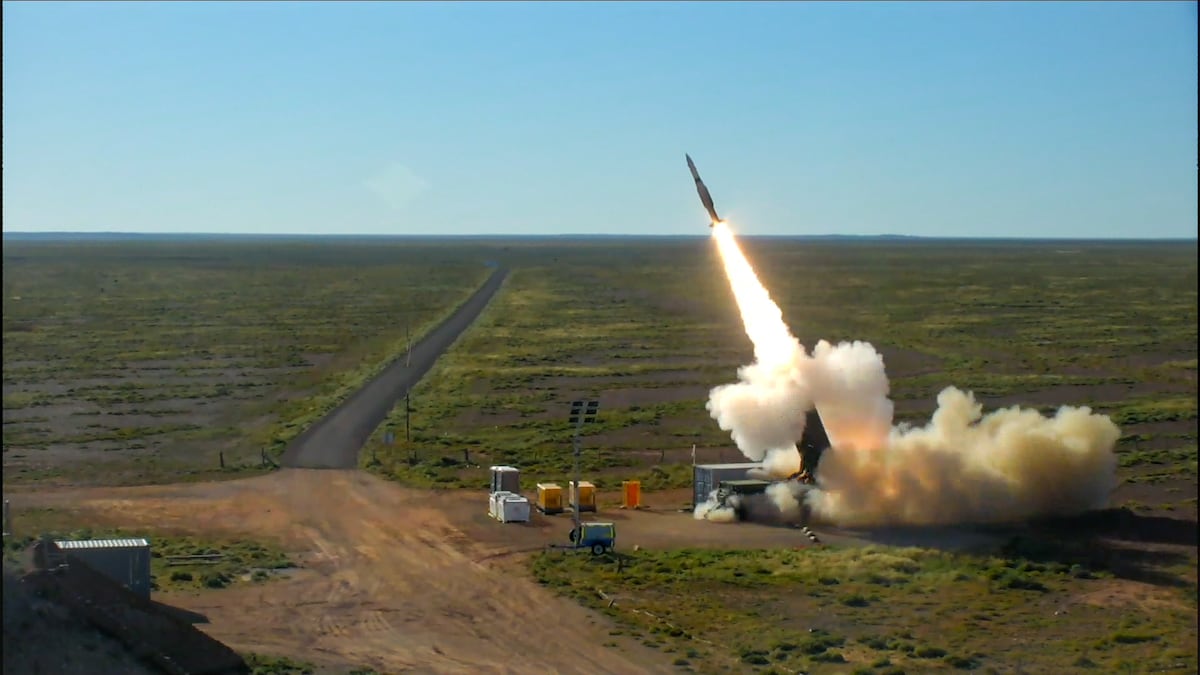
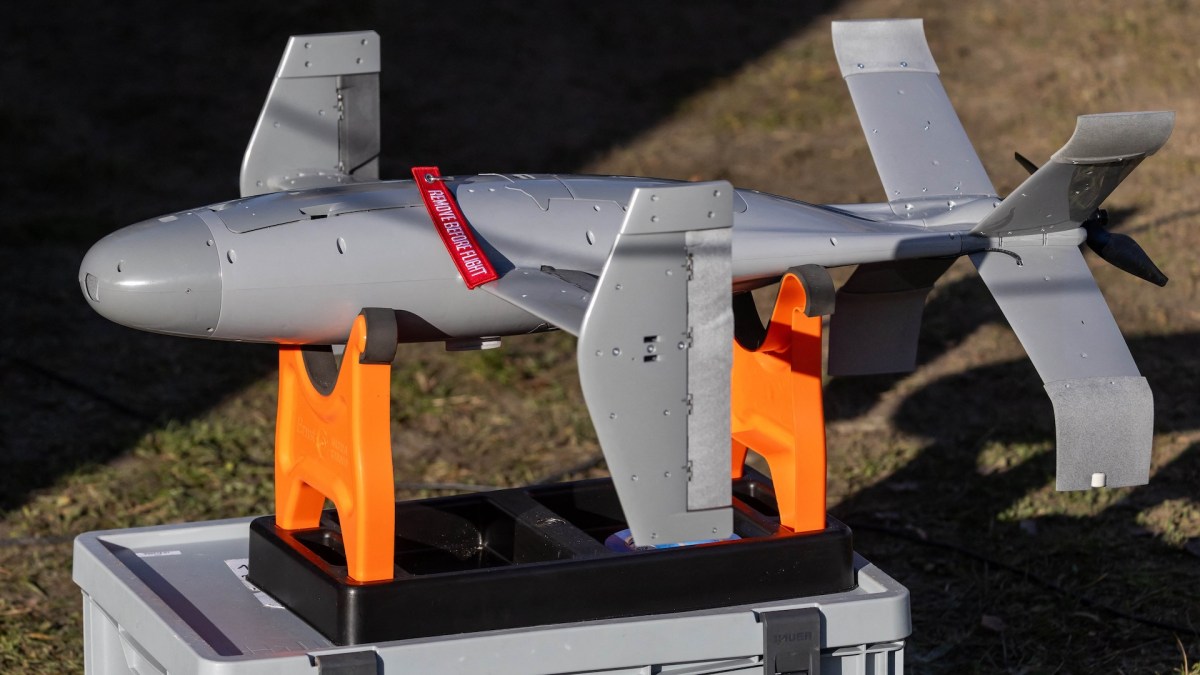
Der Test fand während der Übung Taipan Strike 2026 auf dem Woomera-Testgelände in Südaustralien statt. Dabei wurde eine SM-2-Abfangrakete von einem auf einem Anhänger montierten Startgerät namens Derringer, oder Expeditionary Launch System, abgefeuert und zerstörte eine Zieldrohne vom Typ BQM-74E. Die Rakete wurde von einem virtualisierten Aegis-Gefechtssystem von Lockheed Martin gesteuert und von einem Phased-Array-Radar des australischen Unternehmens CEA Technologies geführt.
Diese Kombination ist bedeutsam, weil sie Teile zusammenführt, die normalerweise nicht als eine einzige bodengestützte Luftverteidigungsarchitektur eingesetzt werden. Australiens Verteidigungsministerium teilte mit, der Schuss sei das Ergebnis enger Zusammenarbeit, Innovation und Ingenieurarbeit gewesen, die zu einem erfolgreichen Prototyp geführt hätten. Defense News berichtete, dass Lockheed Martin und die US Navy in hohem Maße an dem Vorhaben beteiligt gewesen seien.
Warum der Test wichtig ist
Die größere Bedeutung ist strategischer und nicht nur technischer Natur. Australien debattiert seit Jahren darüber, wie schnell es seine bodengestützten Luftverteidigungsfähigkeiten stärken müsse. Dieser Prototyp deutet darauf hin, dass Canberra nun aggressiver und mit einem improvisierteren Ansatz vorgeht, während regionale militärische Risiken steigen und westliche Verteidigungshaushalte unter Druck durch Kosten, Zeitpläne und industrielle Zwänge stehen.
Der Einsatz der SM-2 ist besonders bemerkenswert. Die Rakete ist als Marine-Luftverteidigungswaffe gut bekannt, doch dieser Test zeigt ihr Potenzial in einer landgestützten Rolle, wenn sie mit dem richtigen Führungs- und Radarsystem kombiniert wird. Damit hat Australien eine weitere Option für die mittlere Reichweite gegen Flugzeuge oder ähnliche Luftbedrohungen, ohne sich sofort auf ein traditionelleres, teureres und vollständig paketiertes System festzulegen.
Defense News stellte das Projekt als Alternative zum Kauf von Luftverteidigungssystemen vom Typ Patriot dar. Das bedeutet nicht, dass der australische Prototyp in jeder Missionskategorie ein direkter Eins-zu-eins-Ersatz wäre. Es deutet jedoch darauf hin, dass Australien nach einem modulareren und möglicherweise günstigeren Weg zu einer gestaffelten Luftverteidigungsfähigkeit sucht.
Eine modulare Antwort auf ein Beschaffungsproblem
Moderne Luftverteidigungsprogramme sind oft langsam und teuer, weil Länder komplette Familien von Sensoren, Startgeräten, Abfangraketen und Gefechtsmanagementsoftware kaufen müssen, die von Beginn an zusammenarbeiten sollen. Australiens Prototyp geht in die entgegengesetzte Richtung. Er verbindet bestehende und neue Komponenten zu einer funktionsfähigen Architektur und verringert die Abhängigkeit von einer einzigen monolithischen Beschaffung.
Dieser Ansatz hat mehrere praktische Vorteile. Er kann Zeitpläne verkürzen, wenn die wichtigsten Komponenten bereits im Bestand oder in der Produktion sind. Er kann Flexibilität bewahren, falls künftige Upgrades erforderlich werden. Und er kann die heimische Industrie stärker einbinden, insbesondere in Bereichen wie Radar, Softwareintegration und Instandhaltung.
Die Rolle von CEA Technologies ist dabei zentral. Das Phased-Array-Radar des Unternehmens lieferte das Sensorelement für den Einsatz und zeigte, wie ein in Australien hergestelltes Subsystem im Zentrum eines größeren verbündeten Verteidigungsnetzwerks stehen kann. Für Canberra ist diese Art der Integration nicht nur für die Fähigkeit wichtig, sondern auch für Industriepolitik und Resilienz.
Die Nutzung eines virtualisierten Aegis-Gefechtssystems ist ebenso wichtig. Virtualisierung kann Führungssysteme tragbarer und anpassungsfähiger machen und es ermöglichen, bewährte Software in neuen physischen Konfigurationen zu verwenden. Im Effekt übernimmt Australien die Logik maritimer Gefechtssysteme und wendet sie maßgeschneidert auf einen bodengestützten Auftrag an.
Auswirkungen auf Verbündete und regionale Verteidigung
Der Test zeigt auch, wie eng die gemeinsame Verteidigungsentwicklung geworden ist. Australische Anforderungen, US-Raketentechnologie, die Gefechtssystemintegration durch Lockheed Martin und lokale Radarkapazitäten waren alle Teil derselben Schusskette. Diese Art von Interoperabilität wird im Indopazifik immer wertvoller, wo Staaten Systeme wollen, die sich in breitere Koalitionseinsätze einfügen lassen.
Wenn das Konzept voranschreitet, könnte es beeinflussen, wie Mittelmächte bei Beschaffung von Luft- und Raketenabwehr denken. Statt auf ideale Budgets oder perfekte Lösungen zu warten, könnten sie hybride Architekturen verfolgen, die nationale Systeme mit verbündeten Waffen und Software verbinden. Der Reiz ist offensichtlich: schnellere Einführung, in einigen Bereichen geringeres Beschaffungsrisiko und mehr Raum für souveräne Kontrolle über ausgewählte Subsysteme.
Gleichzeitig sind Prototypen keine einsatzbereiten Flotten. Ein einzelner erfolgreicher Abschuss beweist, dass das Konzept unter Testbedingungen funktioniert; er beantwortet nicht alle Fragen zu Zuverlässigkeit, Skalierung, Logistik, Einsatzbereitschaft oder Kosten über die Zeit. Der Schritt von der Demonstration zur einsetzbaren Fähigkeit würde weitere Tests, Zertifizierung, Ausbildung und Sustainment-Planung erfordern.
Was als Nächstes kommt
Auch mit diesen Vorbehalten wirkt das Ergebnis von Woomera wie ein bedeutender Schritt in Australiens Bemühungen, eine zunehmend beachtete Fähigkeitslücke zu schließen. Dass der Test einen echten SM-2-Einsatz gegen eine Zieldrohne nutzte, verleiht dem Projekt mehr Gewicht als eine Papierstudie oder digitale Simulation. Es war nicht nur eine Integrationsankündigung. Es war ein realer Abfangvorgang.
Für Australien ist die unmittelbare Schlussfolgerung, dass ein hybrider Ansatz für die mittlere Luftverteidigung technisch machbar ist. Für Verbündete lautet die Botschaft, dass bestehende Raketenfamilien und Gefechtssysteme womöglich anpassungsfähiger sind, als es traditionelle Beschaffungsmodelle annehmen. Und für Verteidigungsplaner mit Blick auf den Indopazifik könnte die größere Lehre sein, dass Dringlichkeit Militärs in Richtung pragmatischer Ingenieurarbeit statt sauberer Programmstrukturen drängt.
Kernpunkte
- Der Prototyp nutzte eine SM-2-Abfangrakete, die von einem auf einem Anhänger montierten Expeditionary Launch System abgefeuert wurde.
- Ein virtualisiertes Aegis-Gefechtssystem von Lockheed Martin steuerte den Einsatz.
- Ein Phased-Array-Radar von Australiens CEA Technologies leitete den Abfangvorgang.
- Der Test deutet auf eine modulare, kostengünstigere Alternative zum Kauf eines vollständig paketierten Luftverteidigungssystems hin.
Dieser Artikel basiert auf der Berichterstattung von Defense News. Zum Originalartikel.
Originally published on defensenews.com