A personal violation with public consequences
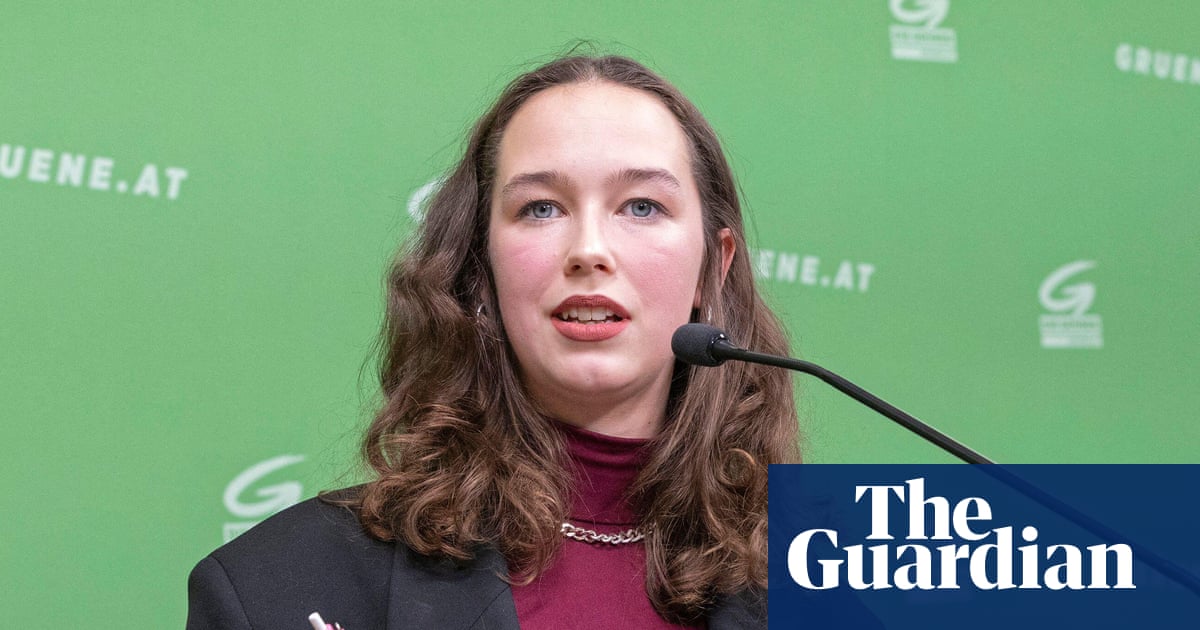
Austrian Green MEP Lena Schilling says discovering nude deepfakes made from images of her first press conference was both shocking and deeply personal. The photographs had been digitally altered to remove her clothing and circulated online without her consent.
Schilling told the Guardian that the images transformed a defining early moment in her political career into material intended to humiliate her. She described feeling disgusted when she encountered them, recalling the preparation and nervousness surrounding the original appearance.
Her experience is part of a wider pattern documented by Berlin-based thinktank Agora Digitale Transformation. Its report found that 50 members of the European Parliament had been targeted by sexualised deepfakes, including 46 women. The finding has renewed attention on how generative AI can be used to intensify online harassment of public figures.
A disproportionate burden on women in politics
ADT characterised deepfake pornography as a systemic threat to women in European politics. An earlier report from the organisation found that 138 female parliamentarians in 22 EU countries had been affected, and that women were 33 times more likely than male colleagues to be depicted in, or associated with, deepfake pornography.
The numbers matter because the harm is not limited to a fabricated image itself. Sexualised manipulation can compound the sexist abuse, harassment and violence that women in political life already face. It can create fear, require time and resources to address, and make an individual’s professional identity harder to separate from abusive material created about them.
Schilling said some other female MEPs who were targeted were afraid to speak publicly. That reluctance is understandable in a setting where going public may draw further attention to harmful content. But it also makes the scale of the issue harder to see, assess and address.

Why deepfakes raise a democratic concern
Deepfakes are synthetic or digitally altered media that can make people appear to say, do or look like something they never did. When used to generate sexualised images, the technology turns familiar photographs into tools of non-consensual humiliation.
For elected representatives, the consequences can extend beyond privacy. Political participation depends on people being able to enter public life without accepting targeted degradation as a routine cost of doing so. Schilling argued that the abuse could discourage women from remaining in politics or considering it at all.
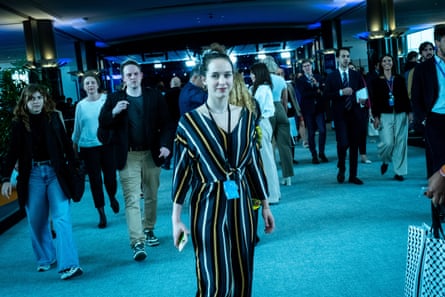
That is the democratic concern at the centre of her call for action. If sexualised AI-generated abuse helps narrow who feels able to seek office, speak publicly or remain visible, it can affect representation before voters ever reach a ballot box.
The issue also illustrates a central difficulty for institutions responding to generative AI. The same systems that can create useful text, images and other media can be deployed at scale to produce abusive content. The speed and low cost of creation can make it easier to target many people, while the internet allows material to be copied and redistributed across platforms.
Pressure for a European response
Schilling has urged the European Union to act. Her intervention places the focus on enforcement and accountability as well as on recognition of the abuse itself. Framing sexualised deepfakes as digital violence against women emphasizes that the damage is real even when the image is fabricated.
The report’s findings provide a concrete measure of the problem among MEPs: 50 targets, most of them women. They do not establish the total number of politicians affected across Europe, but they show that the practice has reached the EU’s own elected legislature.
Any effective response will have to contend with several connected problems: the creation of non-consensual sexualised images, their publication and redistribution, the difficulty of obtaining rapid removal, and the fear that can keep targets from reporting abuse. The source material does not set out a specific legislative package, but Schilling’s appeal makes clear that she sees EU action as necessary.

The wider test for public life online
Cases involving politicians can sometimes be dismissed as an unfortunate by-product of public visibility. The ADT findings point in a different direction: sexualised deepfakes can exploit that visibility in a highly gendered way. The original image may be ordinary and legitimate, but it becomes the input for an attack designed to strip a person of control over their appearance and reputation.
Schilling’s account also underlines why consent remains the essential line. The images were not records of an event. They were fabricated alterations of a real press photograph, used without permission and against the subject’s interests.
The challenge for European institutions is therefore not merely technical. It concerns whether people can participate in public debate without having their image weaponised against them. The emerging evidence from MEPs suggests that sexualised deepfakes are already testing that principle.
This article is based on reporting by The Guardian. Read the original article.
Originally published on theguardian.com