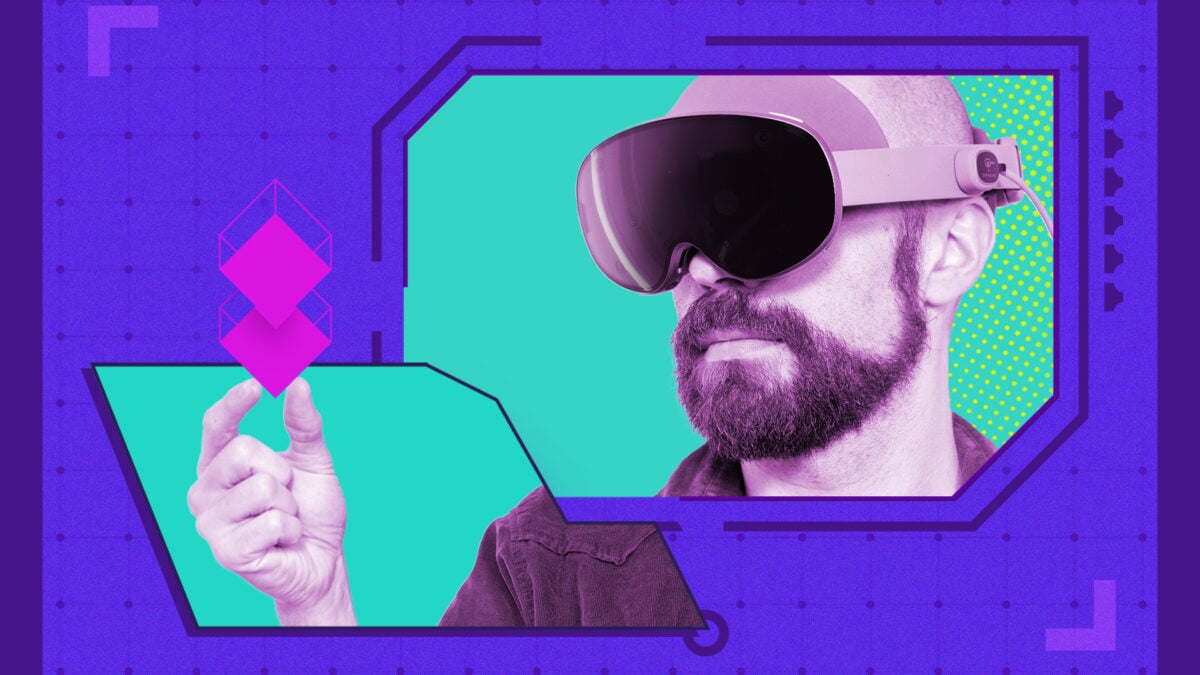
An expensive headset with a broader strategic role
Samsung’s Galaxy XR headset appears to be serving a purpose larger than its own sales prospects. As described by Gizmodo, the device functions as an early platform for technologies Samsung wants to carry into future headsets, glasses and other wearable formats. That positioning matters because it suggests the company sees today’s XR headset not as the destination, but as a transitional product on the way to smaller, more practical face-worn computing.
The Galaxy XR is the first headset to use Android XR, Google’s platform for extended-reality devices. In Samsung’s telling, the headset establishes a scalable ecosystem where core technologies and immersive AI experiences can move across different hardware categories. The company’s XR leadership has already indicated that glasses are part of that roadmap, and Gizmodo reports that Samsung has been working on a first pair of smart glasses that may arrive in the coming months.
Why the current form factor still feels provisional
The tension around Galaxy XR is easy to understand. By current standards the headset is relatively compact and lightweight, but that is partly because the competition has been bulky and uncomfortable. The larger issue is that even a more refined headset still does not fully match what many consumers seem to want from wearable computing: something closer to ordinary glasses than a face-covering display rig.
Gizmodo’s account presents Galaxy XR as a product with obvious limitations. It costs $1,800, leans heavily on experiences that can already be handled by a phone or PC, and offers only a small number of XR-native features that feel truly distinctive. The headset is described as a device full of potential, but also as one still working through bugs and unresolved scaling challenges. That framing makes the product feel less like a mainstream breakthrough and more like a testbed for software, optics, tracking and interaction models.

Competing with Apple while aiming past headsets
Samsung’s immediate comparison point is Apple’s Vision Pro. Galaxy XR reportedly arrives at roughly half the price of Apple’s $3,500 device while offering familiar categories of features such as eye tracking, gesture tracking and 4K micro OLED optics. It also omits Apple’s outward-facing EyeSight display. On software, Android XR enables access to standard Google apps and other 2D applications in a virtual environment, giving the product a baseline utility even if fully immersive use cases remain limited.
But the more interesting competitive story may be what happens after this generation. If Samsung can use Galaxy XR to refine its hardware stack, operating system integration and developer ecosystem, then the current headset may matter mainly as groundwork for a later glasses product. That would align with a broader industry view that the long-term prize is not a premium headset for enthusiasts, but lighter always-available wearables that can blend displays, sensors and AI assistance into everyday life.
Android XR as ecosystem preparation
That ecosystem angle may be Galaxy XR’s most important role. Hardware categories in this space have struggled when they launched without enough software support or when their interfaces felt too disconnected from users’ existing digital routines. A platform strategy gives Samsung and Google a way to build continuity across devices even if the first hardware generation remains niche.
The source text also points to another reality: Samsung likely does not expect the headset itself to become a runaway success. Instead, Galaxy XR can be interpreted as an honest statement about where the market currently stands. High-end XR still carries friction in price, comfort and use-case clarity. Yet the components inside such products, from optics to gesture recognition to immersive AI interfaces, may be the pieces that eventually make a glasses form factor viable.

The real signal is in what comes next
The strongest takeaway from Galaxy XR may therefore be strategic rather than commercial. Samsung appears to be using the headset to plant technical and ecosystem seeds for future wearables. If that reading is correct, Galaxy XR is valuable not because it solves XR adoption on its own, but because it shortens the path toward smaller devices that can feel more natural than today’s headsets.
That does not guarantee success. Moving from a comparatively large headset to glasses-like hardware is an enormous engineering challenge. Still, the message coming through this launch is clear enough: Samsung is treating immersive computing as a multi-step transition. Galaxy XR is one of those steps, and probably not the one the company expects most people to remember.
This article is based on reporting by Gizmodo. Read the original article.
Originally published on gizmodo.com


