AI is widening the reach of workplace monitoring
Australian researchers are calling for stronger workplace privacy protections as employers expand their use of technology to monitor staff. A report from the Human Technology Institute at the University of Technology Sydney says monitoring tools are becoming common in factories, offices, delivery work and retail, often without employees being aware that they are being watched or measured.
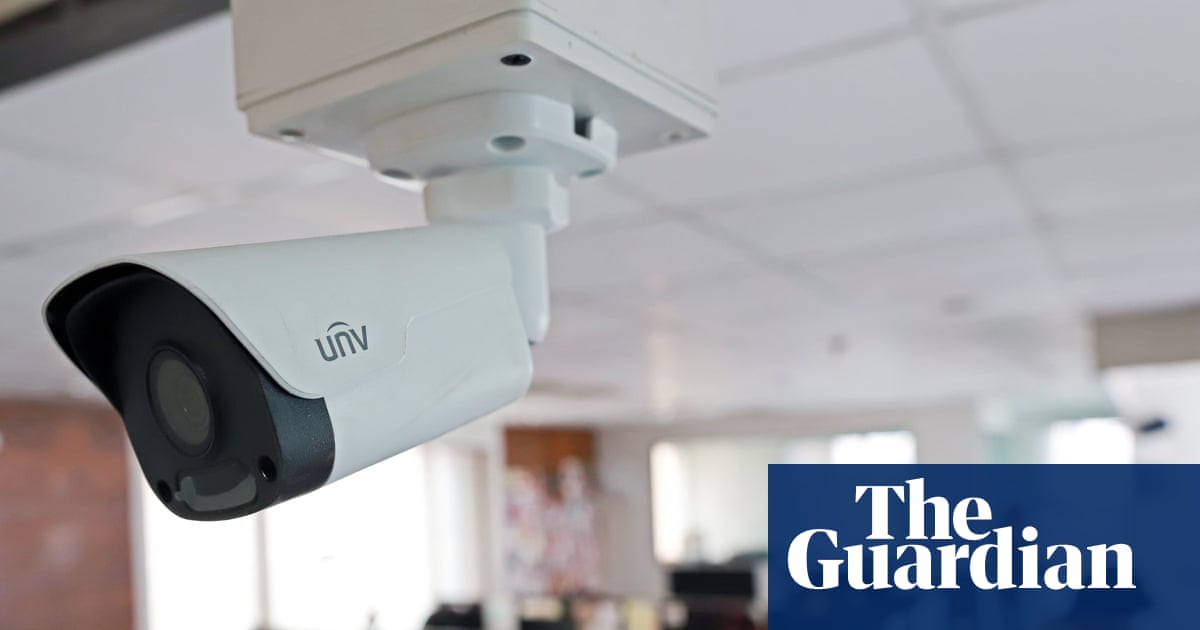
The issue is broader than one new artificial-intelligence product. Employers can combine CCTV, access-card records, keystroke monitoring and workplace messaging data to build a detailed picture of workers’ activity. The institute warns that AI is accelerating the use and impact of these systems.
That shift matters because automated systems can turn routine workplace data into judgments about performance, errors, location and conduct. The consequences can be significant when a worker faces discipline, a warning or altered working conditions based on data they may not have known was being collected or how it was interpreted.
Examples show the human stakes
Examples provided to Guardian Australia by the institute illustrate how monitoring can affect everyday work. One fast-food restaurant was reported to have used surveillance cameras to stop workers from using their phones. Researchers were also told that young employees at an unnamed large fast-food chain were concerned cameras had been installed in change rooms for the same purpose; the report said some young people stopped using the change rooms as a result.
In another example, an AI monitoring system was said to have flagged a cashier for too many errors. The reported error rate was 0.18%, equivalent to roughly one mistake for every 533 items scanned, yet the cashier received a final written warning.
These accounts do not show that every use of workplace monitoring is inappropriate. Employers may have legitimate safety, security and operational reasons to collect some data. But they show why the design, disclosure and use of automated monitoring matter. A system can appear precise in numerical terms while still producing a judgment that feels disproportionate to the person affected.

Monitoring can be invisible to workers
The institute’s report says workplace monitoring is frequently deployed without employees knowing about it. That creates a basic problem of transparency. Workers may be unable to question the accuracy of a system, understand what data it collects or explain a circumstance that an automated metric has missed.
Location data is one example. Microsoft Teams was highlighted by the researchers as a common platform for workplace surveillance. Earlier this year, Microsoft rolled out a feature that automatically updates a worker’s location to show they are in the office when they connect to workplace Wi-Fi.
For organizations, such tools can make coordination easier. For workers, they can also blur the line between a tool designed for collaboration and a tool used to assess attendance or compliance. The practical effect depends on company policy, notification and how managers act on the data.
AI changes the scale of management
Conventional workplace supervision has long included managers observing work, checking schedules and reviewing output. AI changes the scale at which information can be processed. It can connect signals from cameras, software, card swipes and messages, then generate alerts or scores faster than a human manager could.
That capacity may be attractive to employers seeking consistent oversight. It also heightens the risk that workers are reduced to measurements detached from context. An error count may not reveal a faulty barcode, a difficult customer interaction, training needs, accessibility issues or a technology problem. A location update may not explain the purpose of someone’s work away from a desk.
The reported supermarket case captures that tension. The stated rate of one error per 533 scanned items is a numerical measure, but it does not by itself answer whether a final warning was fair. Automated monitoring can make a decision look objective without settling the question of whether the decision is reasonable.

The call for privacy protections
The Human Technology Institute has called on Australia’s federal government to strengthen workplace privacy protections. The report places the debate in a policy context: monitoring technologies are already used across a wide range of jobs, while AI is increasing their capacity to track and evaluate workers.
Effective protections would need to address more than whether an employer may collect data. Workers need meaningful notice when monitoring is taking place, clear information about the data involved and safeguards around high-impact decisions. Processes for questioning inaccurate or unfair automated assessments are also important when a system contributes to discipline or other employment consequences.
The specific policy response will be for government, employers, unions and workers to debate. The report’s central warning is immediate: the infrastructure for pervasive workplace monitoring is already present, and it can be deployed in places where employees have limited power to see or challenge it.
A broader question of dignity at work
The debate is ultimately about more than privacy in the narrow sense. It concerns whether workers retain autonomy, trust and a meaningful voice when digital systems observe their movements and performance throughout the day.
AI may make monitoring cheaper and more comprehensive, but it does not remove the need for human judgment. As Australian policymakers consider stronger rules, the cases described by the Human Technology Institute offer a clear reason to focus on transparency, proportionality and accountability before automated oversight becomes an unexamined feature of working life.
This article is based on reporting by The Guardian. Read the original article.

Originally published on theguardian.com