Animation’s commercial power still has not settled its status
Animation remains one of Hollywood’s most dependable businesses, yet the medium is still fighting for equal cultural standing inside the industry. That contradiction sits at the center of a new discussion highlighted by Gizmodo, which drew on a Variety report featuring animation professionals, studio leaders, and marketers wrestling with a familiar question: why does an art form that repeatedly delivers hits still get treated as something lesser?
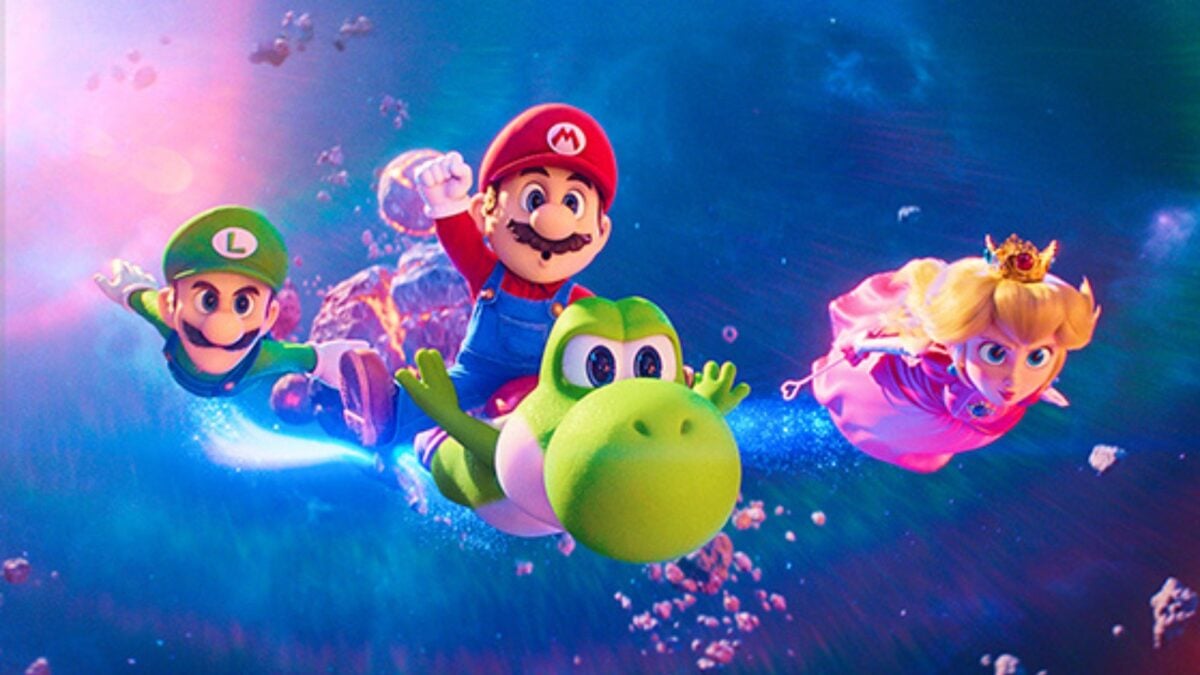
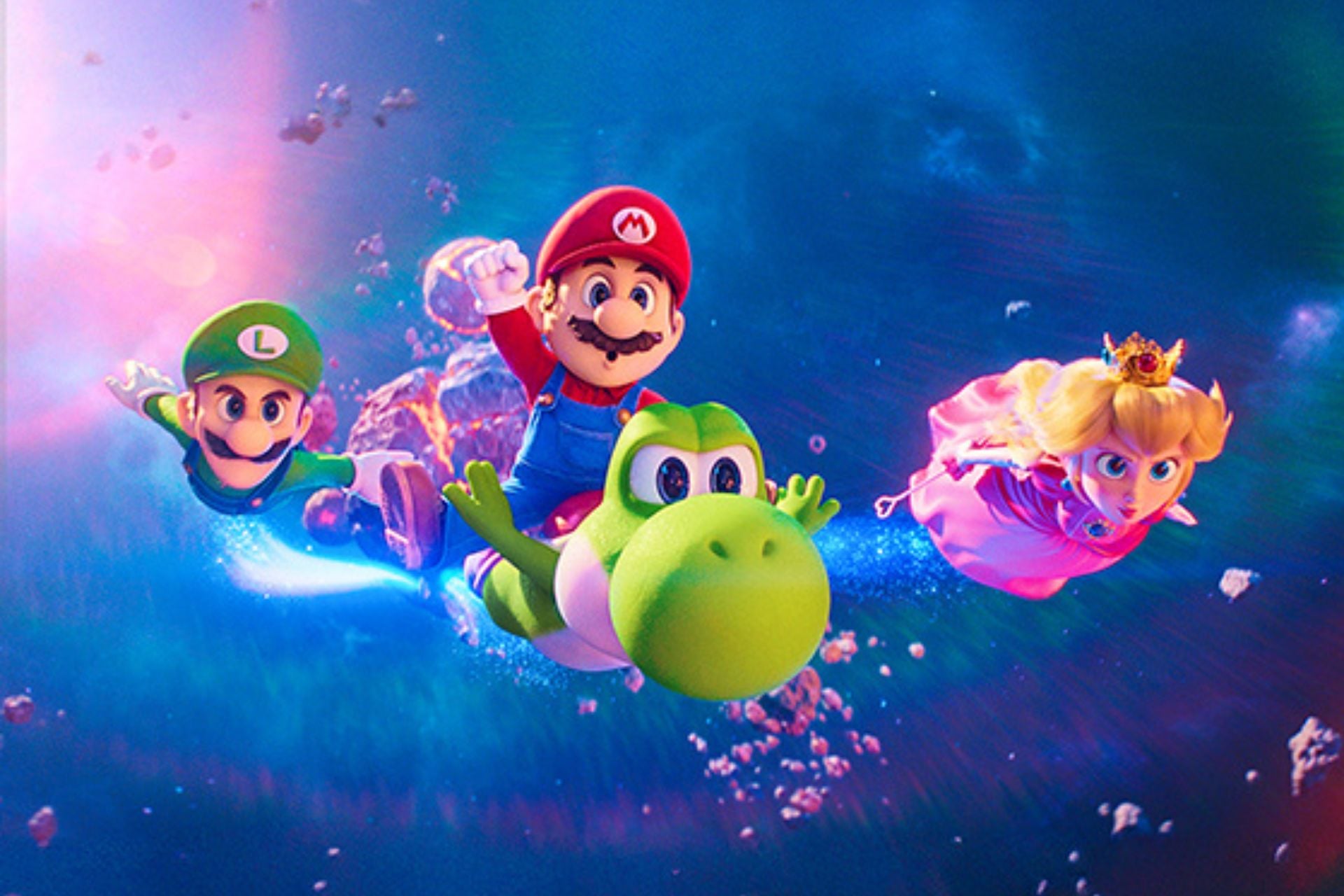
The issue is not whether animation can make money. The supplied source text is explicit on that point. Animated films have been reliable moneymakers for decades, and in 2026 the only movie to cross the $1 billion mark so far is The Super Mario Galaxy Movie. The text also notes big performances from Disney titles including Inside Out 2 and Zootopia 2. In other words, the audience case has already been made. Viewers show up, families buy tickets, and studios continue to benefit from the format’s reach.
Yet commercial success has not fully translated into prestige, stability, or institutional respect. That gap is what makes the current debate important. It is no longer about proving animation can sell. It is about whether Hollywood is willing to treat animation as a central filmmaking medium rather than a profitable side lane.
The industry’s frustration is about more than awards
One of the strongest points in the source text comes from an animator quoted by Variety, who described a recurring pattern: a studio celebrates an animated film’s financial or awards success and then cuts loose the workers who helped create it. That complaint shifts the discussion away from symbolism and toward labor. Respect is not only about public language or Oscar categories. It is also about whether creative workers gain security, leverage, and long-term investment when their projects succeed.
This is where the conversation becomes more uncomfortable for the industry. Hollywood has long praised animation when the box office is strong, but that praise can remain detached from how animation teams are staffed, retained, or valued. A medium can be admired at a distance while the people behind it remain structurally vulnerable. The frustration described in the source text suggests that many animators see exactly that pattern.
That helps explain why the recognition debate persists even after years of commercial wins. If success does not improve the conditions or standing of the workforce, then the success story feels incomplete.

Pixar’s comments expose a split over the problem
The Gizmodo summary also highlights an internal divide over how animation should respond. Pixar president Jim Morris argued that animation is propping up a lot of studios right now, which reinforces the medium’s practical importance. That is a strong statement because it frames animation not as a niche contributor, but as a stabilizing force in an uncertain film business.
At the same time, Pixar chief creative officer Pete Docter offered a more critical view, saying animation cannot avoid being seen as films for kids when much of it is funny, goofy, or akin to babysitter material. His conclusion was that the industry could step up its game. Even in summary form, that position is revealing. It suggests one camp believes animation’s image problem is partly self-inflicted, tied to the kinds of stories studios choose to tell and the way they package them for mass audiences.
That argument has some intuitive force. If most large-scale animated releases are marketed primarily at children and families, it is not surprising that broader Hollywood institutions continue to sort them into that lane. But the source text also pushes back on Docter’s framing by noting Pixar’s own recent retreat from more specific themes and perspectives. That tension matters because it raises a harder question: if animation needs to mature in order to gain respect, are the studios actually willing to support the creative risks that would make that possible?
The result is a familiar loop. Executives say the medium needs broader ambition, yet market decisions often steer it back toward the safest definitions of family entertainment.
Laika offers a different answer: stop selling the category
If Pixar’s view emphasizes changing the work, Laika’s approach emphasizes changing the framing. The source text says Laika chief marketing officer David Burke told Variety that the studio does not actively sell its films as animated. Instead, it trusts audiences to find the movies irrespective of medium and argues that they defy categorization.
That is a significant strategic choice. Rather than asking audiences or award bodies to elevate animation as a separate class, it attempts to dissolve the distinction at the marketing level. The movie is the product; the medium is secondary. In effect, Laika’s argument is that one path to respect is to stop reinforcing the very label that invites condescension.
There are limits to that strategy. Animation is not invisible, and the craft behind it remains a defining feature. But as a promotional philosophy, it responds directly to a real problem: many people still unconsciously translate “animated” into “for children” before they consider tone, genre, or artistic intent. Selling the film first is a way to interrupt that reflex.

The Oscars remain a symbol of the larger barrier
The source text identifies one possible measure of real respect: an animated film winning Best Feature at the Oscars. Industry professionals appear divided on whether that is a realistic or even fair benchmark. Morris wants animation employees to be eligible in Oscar voting, while filmmaker Jorge Gutiérrez argues live-action has a built-in edge and that too many Academy members see animated work as something to endure rather than embrace.
Whether or not the Academy changes soon, the Oscar debate still reveals the core problem. Animation’s separate awards success has not erased the perception that it belongs in a side category. The question is less about a trophy than about artistic hierarchy. As long as animated films are treated as exceptions when they compete with live-action prestige fare, the medium’s status remains conditional.
That is why the current argument carries weight beyond awards season. It touches studio strategy, labor economics, marketing, authorship, and the kinds of stories large companies believe audiences will accept from animated filmmaking.
Why the debate is intensifying now
The timing is not accidental. When a medium is delivering major commercial results while the broader industry remains under pressure, the mismatch becomes harder to ignore. If animation is helping hold up studios financially, then the old habit of treating it as secondary looks less defensible. Success creates leverage, but only if the industry is willing to rethink its assumptions.
For now, the supplied reporting suggests Hollywood has not finished that work. Animation has the receipts, the audience, and the box office track record. What it still lacks is universal treatment as cinema without qualifiers. That makes the present moment more than another prestige complaint. It is an argument over whether one of modern film’s strongest commercial engines will finally be granted equal artistic standing.
Until that happens, animation’s paradox will remain intact: essential to the business, but still not fully embraced at the top of the culture.
This article is based on reporting by Gizmodo. Read the original article.

Originally published on gizmodo.com