New analysis reopens an old debate
A new bioarchaeological reassessment is challenging long-standing assumptions about gender, status, and weapon use in ancient Egypt. The study, highlighted by 404 Media from research published in Frontiers in Environmental Archaeology, revisits the mummified remains of royals buried at the Amenemhat II pyramid complex in Dahshur and concludes that several princesses interred with weapons likely used those weapons in life.
For decades, the presence of bows, maces, and a dagger in elite female burials raised a familiar question: were these objects symbolic, or did they reflect real martial activity? The new analysis argues that the second possibility deserves serious weight. Using osteological analysis, X-ray imaging, and advanced spectroscopy, the researchers found physical signs consistent with repeated, high-intensity activity associated with archery and melee weapon use.
If that interpretation holds, the findings do more than add an unexpected detail to royal biography. They force a broader reconsideration of how scholars interpret grave goods, bodily evidence, and women’s roles in elite and possibly martial settings in the ancient world.
The women at the center of the study
The remains come from the late Middle Kingdom, roughly 1850 to 1700 BCE, in Egypt’s Dahshur necropolis. According to the source text, four of the mummified individuals have been identified as daughters of Pharaoh Amenemhat II: Princess Ita, Princess Khenmet, Princess Itaweret, and Princess Sathathormeryt. A second princess, Noub-Hotep, and her father, King Hor, were also included in the reassessment.
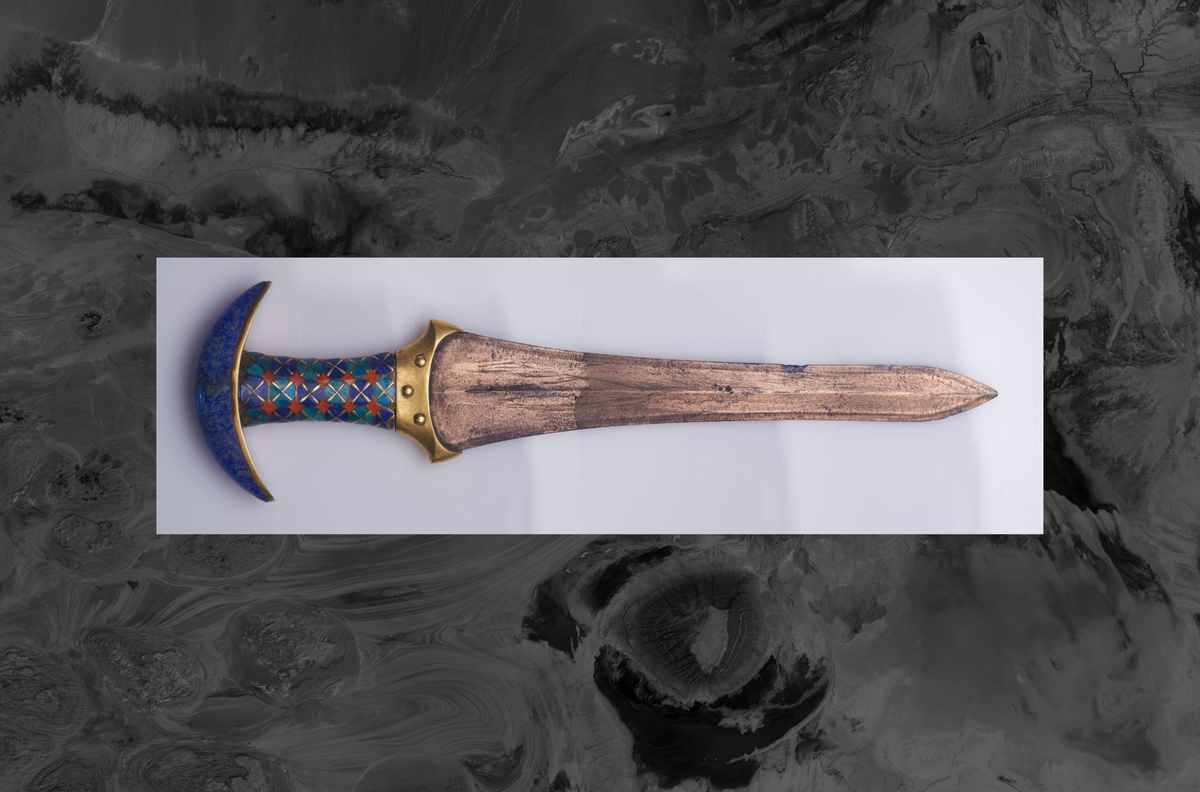
These burials have drawn attention for more than a century because of the weapons found with them. Such grave goods are more commonly associated with male burials, which helped fuel the idea that their inclusion in female tombs may have been purely ceremonial. Princess Ita’s tomb, in particular, contained a dagger in addition to other weaponry, while bows and maces were among the objects associated with the broader set of princesses examined in the study.
On its face, the archaeological record was already unusual. What the new research adds is anatomical evidence suggesting these were not passive emblems of rank or ritual identity.

What the bones appear to show
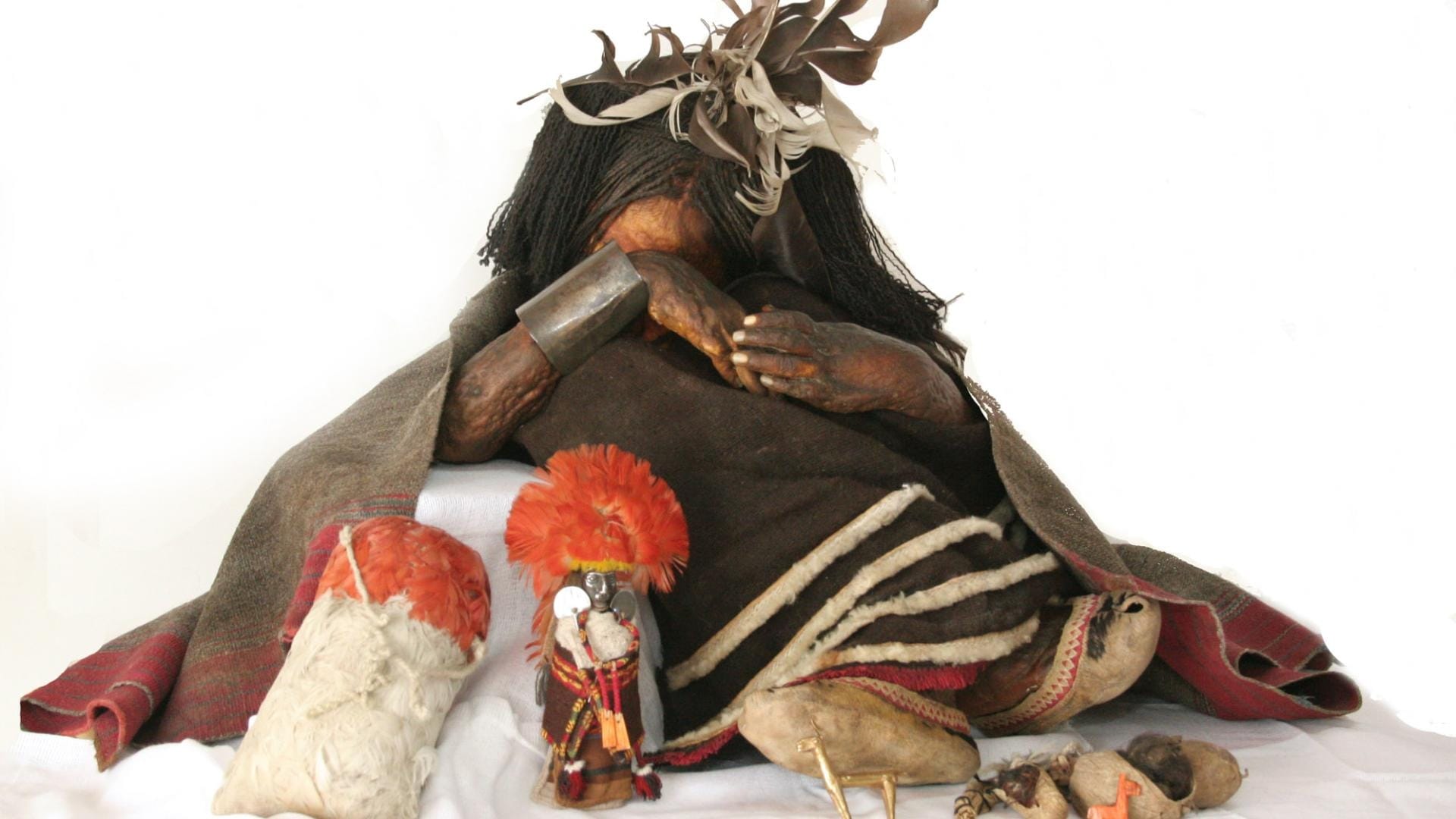
The researchers reported signs of bodily strain linked to repeated weapon use. In the summary provided by 404 Media, the study describes pronounced muscle attachments in the upper limbs, asymmetry, muscle hypertrophy, and changes in the metacarpals. Those adaptations were interpreted as consistent with repetitive high-intensity actions such as drawing a bow or handling melee arms.
That distinction is important. Grave goods can be difficult to interpret because they may reflect identity, aspiration, status, afterlife beliefs, or practical experience. Skeletal evidence offers a different line of argument. If the body itself bears traces of repeated physical behavior, then the surrounding objects may no longer be best understood as symbolic alone.
The study’s authors, led by Zeineb Hashesh of the University of Beni-Suef, argue that this evidence bears directly on the debate over female burials with weapons. In the source text, the researchers say the findings indicate that the items appear to have been actively used rather than merely placed as symbolic objects. Princess Noub-Hotep is described as a particularly clear example within that interpretation.
Why the finding matters beyond one tomb complex
The implications extend beyond Dahshur. Archaeological narratives often rely on repeated assumptions about what objects in graves are supposed to mean, especially when those objects appear in contexts that do not fit later expectations about gender roles. Female burials with weapons have sometimes been explained away as exceptional, ornamental, or strictly ceremonial before bodily evidence is fully considered.
This study does not simply add a provocative headline about “warrior princesses.” Its more serious contribution is methodological. It shows the value of reexamining long-known remains with newer analytical techniques rather than treating older identifications as settled. In many museum collections and excavation archives, objects have been cataloged for decades while the bodies associated with them have not been studied with the same level of biomechanical or imaging detail.
That kind of reassessment can change the historical picture substantially. A tomb once read as symbolically rich but socially conventional may turn out to preserve evidence of training, skill, or labor that was previously overlooked.
Limits of the evidence and what it can support
The supplied source text supports a careful conclusion, not an exaggerated one. It indicates that the women showed physical markers consistent with repeated use of bows and weapons, and that researchers interpret those markers as evidence the weapons in their tombs were actively used in life. It does not establish the exact social role these princesses held, the frequency with which they trained, or whether their martial practice was ceremonial, elite, practical, or tied to a broader institution.

Those distinctions matter because the strongest version of the claim would go beyond the available evidence. The study appears to support weapon familiarity and repeated physical practice. It does not, at least from the supplied text, prove battlefield command, formal military office, or a generalized model for all royal women of the period.
Still, even the narrower conclusion is significant. If elite women in this setting were trained in archery and melee weapon use, then historical reconstructions that default to rigidly gendered divisions of martial activity become harder to defend without qualification.
A wider shift in interpreting the ancient world
The Dahshur reassessment fits a larger pattern in archaeology and bioarchaeology: old assumptions are increasingly being tested against direct physical evidence. Rather than inferring a person’s role solely from artifacts or long-standing cultural models, researchers are comparing burial context with skeletal signatures, imaging data, and chemical analysis.
That approach does not eliminate ambiguity, but it narrows it. In this case, it moves the discussion from “Why were princesses buried with weapons?” to “What does the body suggest they actually did?” That is a more empirical question, and one that may produce uncomfortable revisions to familiar stories about power, gender, and violence in ancient societies.
For now, the Dahshur royals offer a pointed reminder that elite women in the ancient world may have occupied roles that later interpreters flattened or misread. The new study does not end the debate, but it shifts the burden of proof. Treating the weapons as merely symbolic now appears less convincing than it once did, especially when the bones themselves suggest repeated practice with the tools buried beside them.
That makes this more than a curious historical reversal. It is a case study in how better methods can recover agency from the archaeological record, and how the ancient past can become more complex precisely when researchers are willing to question the categories they inherited.
This article is based on reporting by 404 Media. Read the original article.

Originally published on 404media.co