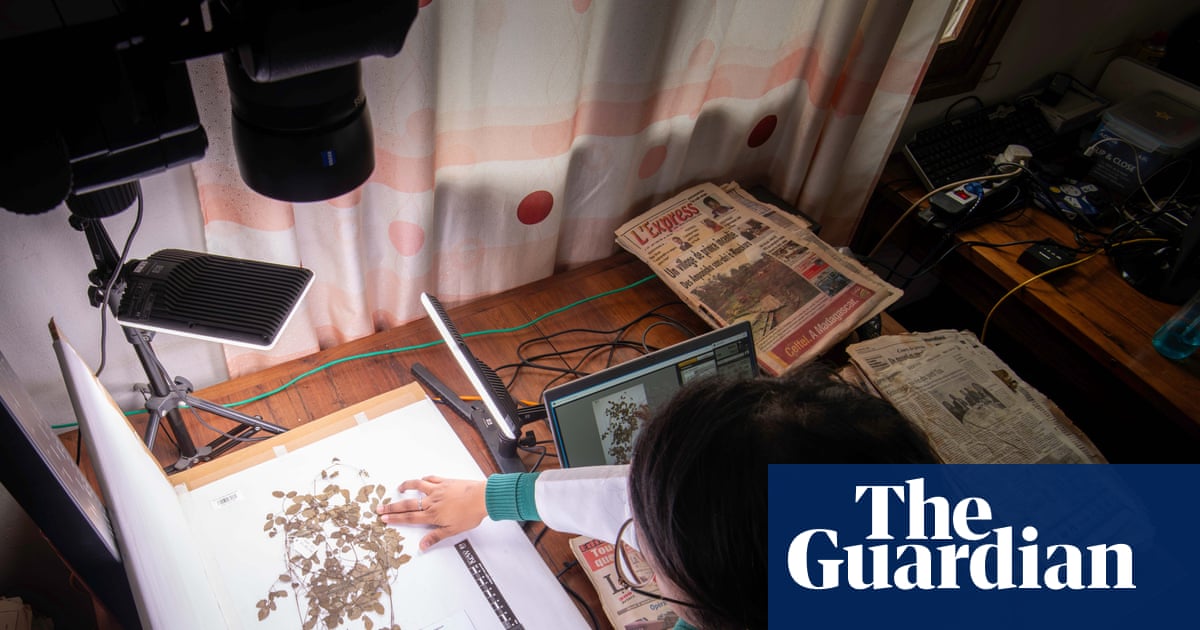
AI and digitization are changing botanical science
Botanists are arguing that artificial intelligence and large-scale digitization could become decisive tools in a widening race to identify and protect plant life before it disappears. A new report from Royal Botanic Gardens, Kew, presents that shift not as a distant possibility but as a practical change already affecting how researchers work.
The underlying problem is severe. Plants and fungi support food systems, medicines, climate regulation, and carbon storage, yet the known picture remains incomplete and the risks are mounting. The report says about 40% of the 70,000 plant species that have been assessed are at risk of extinction. At the same time, another 330,000 plant species have yet to be analyzed, and scientists believe roughly 100,000 more still have not been formally named.
That mismatch between the scale of biodiversity and the speed of traditional taxonomy is what makes AI attractive. Kew scientists say new systems can help researchers identify difficult species more quickly, especially groups whose distinguishing traits are microscopic and hard to evaluate at scale. That matters because better identification is the first step toward protection, whether the goal is habitat conservation, seed banking, or the search for crops and medicines that have not yet been studied.
Why speed matters now
Roughly 2,000 new plant species are recorded each year, according to Kew. For a field trying to document hundreds of thousands of known and unknown species under rising climate and land-use pressure, that pace is not enough. The report frames AI as a way to increase scientific reach without waiting for a linear expansion in specialist labor.
Kew’s science leadership argues that digitization is just as important as machine learning itself. Millions of specimens that were once accessible only inside archives are being converted into digital records and made available online. That broadens access for researchers and helps produce new findings, particularly for scientists in the global south who may have had limited access to physical collections held abroad.
Digitized collections also make it easier to compare specimens across institutions, time periods, and regions. That can reveal changes in flowering times, shifting distributions, and overlooked relationships between species. The report points to evidence that scientists are already using these tools to track how flowering schedules have moved by weeks around the world.

Old specimens, new data
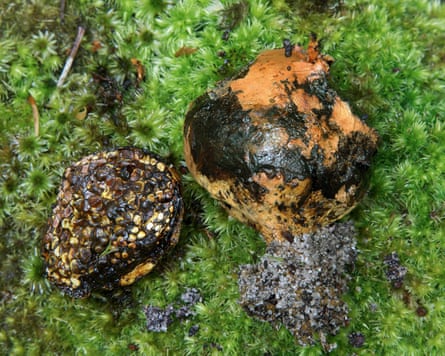
One of the more striking claims in the report is that researchers can now extract valuable genetic information from fungus specimens collected 180 years ago. That opens a new lane for biodiversity research because museums and herbaria contain huge stores of biological material gathered long before modern sequencing methods existed.
Kew scientists described this potential as a possible “genomic goldmine” for fungi. The phrase reflects a basic scientific reality: fungi remain dramatically underdescribed. The report says about 90% of an estimated 2 million fungal species are still unknown to science, and less than 1% of known species have been assessed for extinction risk.
If historic collections can yield usable genomic data at scale, researchers may be able to reconstruct lineages, identify overlooked species, and better understand ecological roles without relying only on new field collection. That does not replace fieldwork, but it makes older collections far more valuable than they once appeared.
Conservation implications extend beyond taxonomy
The conservation stakes are not academic. Species can disappear before they are described, and with them potential sources of medicine, crop resilience, and ecological knowledge. The report’s argument is that faster recognition and better access to data improve the odds of acting while intervention is still possible.
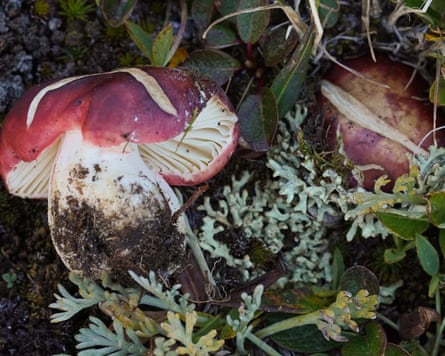
AI does not solve habitat loss, climate stress, or funding shortages. It also does not remove the need for expert judgment. But Kew’s position is that these tools can help close a dangerous gap between how quickly species are being lost and how slowly science has historically documented them.
That is especially relevant in groups that are easy to overlook. If a model can reliably flag hard-to-distinguish mosses, sedges, or fungi for expert review, conservation teams can spend more time validating discoveries and less time sorting through material manually. In practice, that means triage becomes more efficient.

A more hopeful technological story
Many AI debates focus on disruption, risk, or labor displacement. This report points to a different use case: accelerating a scientific inventory of life that remains incomplete even as extinction pressure rises. The optimism from Kew is cautious, but notable. Its scientists are not claiming the crisis has been solved. They are arguing that the toolset has improved at a moment when it needed to.
The broader message is that biodiversity science is becoming more computational, more networked, and more globally accessible. If that continues, the ability to identify species, study historical change, and prioritize conservation may improve faster than it has in previous decades.
For now, the report’s most important contribution may be its reframing of digitization. Scanning specimens and opening collections online can sound administrative. Kew is making the case that it is foundational scientific infrastructure, and that paired with AI, it could materially improve the odds in a race conservationists know they are currently losing.
This article is based on reporting by The Guardian. Read the original article.
Originally published on theguardian.com

_.png)


