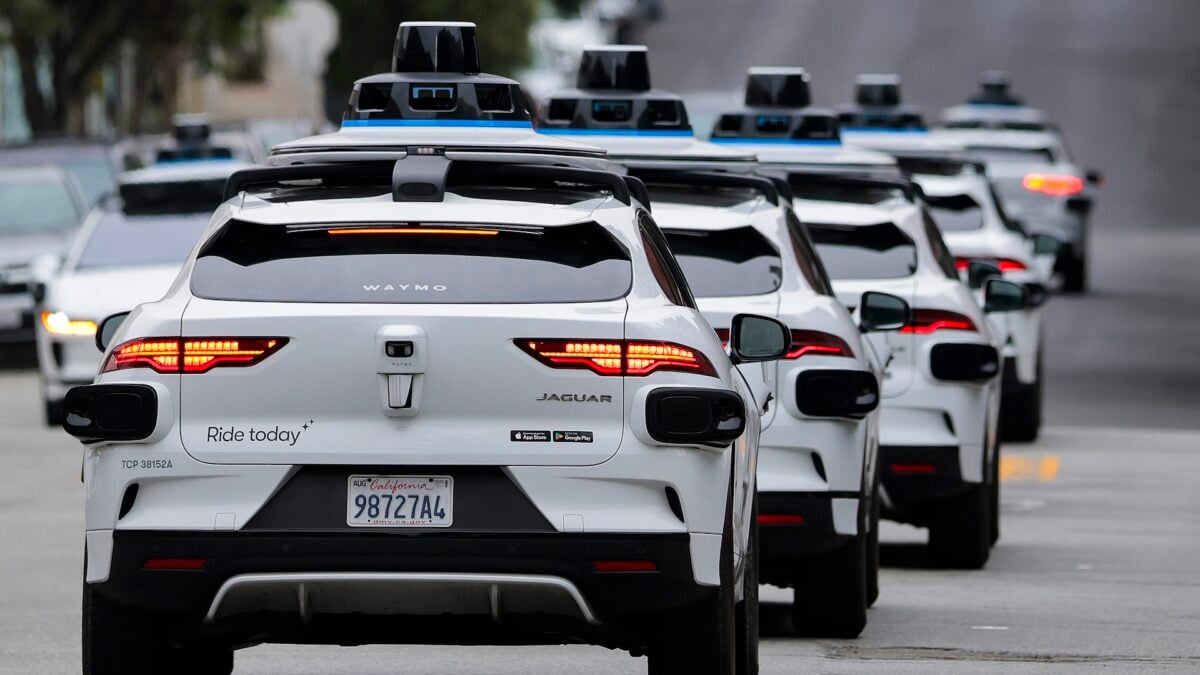
Waymo puts freeway trips back into service in Phoenix
Waymo has begun restoring freeway rides in Phoenix, reopening a capability that had been curtailed after the company filed a voluntary software recall tied to construction-zone behavior. The restart marks a notable step for the robotaxi operator because freeway driving is one of the most visible tests of whether autonomous ride-hailing can move beyond limited urban corridors and handle faster, less forgiving road environments.
According to the supplied source text, Waymo announced on July 29 that it was “gradually resuming freeway routes for faster rides,” starting in Phoenix and with more cities expected to follow. The company is using its app to manage access, asking riders to express interest there as the feature returns. That approach suggests the relaunch is being staged rather than opened all at once.
The resumption follows a period in which freeway service had been restricted. A Waymo spokesperson previously told Gizmodo that the company had “voluntarily restricted freeway operations” in May, proactively informed state and federal regulators, and decided to file a voluntary software recall with the National Highway Traffic Safety Administration. Those details matter because they frame the return not as a routine product tweak, but as the reopening of a capability after a formally acknowledged safety issue.
What triggered the recall
The underlying defect described in the recall report centered on freeway construction zones. Under certain circumstances, the autonomous vehicle could enter and continue driving at speed through those areas because it inappropriately prioritized avoiding other freeway hazards or failed to recognize the construction zone. The safety risk was direct: driving at freeway speed in a construction zone raises the possibility of collisions.
That description highlights a recurring challenge in autonomous driving. Construction zones disrupt the assumptions that make lane-level automation easier on normal roads. Cones, temporary markings, shifted lanes, workers, barriers, and changing traffic patterns create ambiguity that can overwhelm even systems that perform well in more stable conditions. For robotaxi operators, those edge cases are not peripheral. They are among the conditions regulators, riders, and rival operators watch most closely when judging whether a service is ready to expand.
Waymo’s decision to restrict freeway operations while it addressed the problem also reflects a broader industry reality: autonomy deployments are increasingly judged not only by how often they succeed, but by how companies react when they identify a failure mode. In this case, the path back to freeway driving appears tied to updated software intended to improve behavior around roadwork.
_.png)
Software updates cleared the way for a restart
The source text says Waymo told TechCrunch it was resuming freeway operations across its entire service area, including areas with construction, after implementing software updates designed to improve performance around freeway construction zones. That is the key operational change behind the relaunch. The company is effectively signaling that it believes the specific defect identified in the recall has been addressed well enough to restore the feature.
Phoenix is a logical place to restart. Waymo has operated there long enough to build a sizable rider base, and freeway access can materially change the usefulness of the service by cutting travel times and broadening the range of viable trips. Riders had apparently noticed the absence. The supplied source text says some users were dissatisfied enough with the freeway-less version of the service that they reported switching to alternatives such as Uber.
That rider response underscores an important commercial point. Freeway capability is not just a technical milestone; it affects product competitiveness. If autonomous ride-hailing is slower or less direct than conventional ride-hailing, its advantage narrows. Restoring freeway routes therefore supports both Waymo’s safety case and its business case.
Phoenix first, more cities next
Waymo’s public message indicates Phoenix is only the first city in the return plan. The supplied source text also says a spokesperson told TechCrunch that freeway service would resume in San Francisco and Los Angeles within days. If that timeline holds, the company will be moving quickly from a localized restart to a broader restoration across major markets.
That expansion would be significant because each city presents different operational pressures. Phoenix has been one of Waymo’s more established and comparatively favorable environments. San Francisco and Los Angeles bring denser traffic patterns, more variable road conditions, and a higher level of public scrutiny. Returning freeway service in those markets would therefore serve as a stronger public test of the updated system’s robustness.
At the same time, the decision to resume access gradually suggests Waymo is not treating the matter as fully settled. A phased rollout allows the company to monitor real-world performance, manage rider demand, and intervene if new issues appear. In autonomous vehicle operations, that kind of stepwise deployment is often as important as the software change itself.

A broader test for robotaxi regulation
The freeway restart also comes during a period of heightened attention on Waymo’s public-road behavior. The source text notes that in San Francisco, the company’s reputation has recently faced pressure after a July 4 traffic disruption in northern San Francisco, where videos appeared to show Waymo vehicles blocking streets after the Golden Gate Bridge fireworks display. Waymo said extreme traffic congestion had disrupted normal operations for several vehicles.
That incident is separate from the freeway construction-zone recall, but the timing matters. Together, they reinforce how closely robotaxi operations are now being scrutinized not only for crash risk, but also for how fleets behave in unusual, high-density traffic scenarios. The source text adds that the July 4 episode appeared to help fuel a local push for nationwide legislation aimed at regulating robotaxis.
For Waymo, then, restarting freeway rides is more than a product update. It is a test of whether the company can restore confidence after acknowledging a safety defect, demonstrate that software revisions can materially reduce risk, and keep advancing service quality while policymakers debate the rules for autonomous fleets. Phoenix is the reopening move, but the larger judgment will come from what happens as freeway operations return to more cities and more riders.
This article is based on reporting by Gizmodo. Read the original article.
Originally published on gizmodo.com


