Consolidation Under Pressure
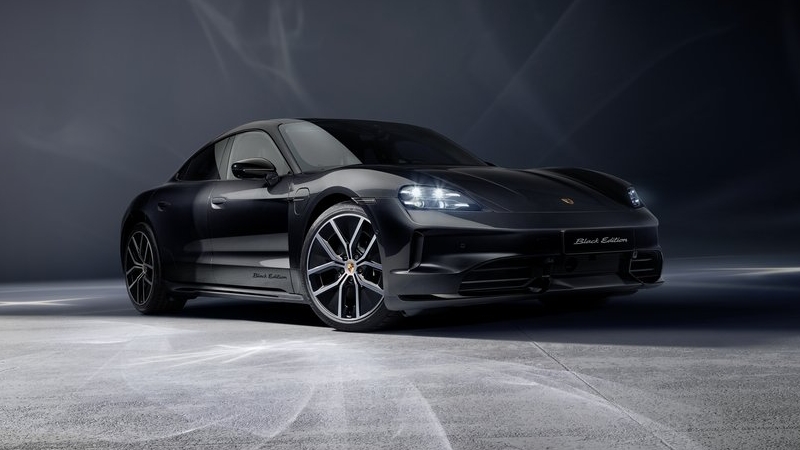
Porsche is considering merging two of its sedan nameplates, the combustion-powered Panamera and the electric Taycan, into a single model. The potential consolidation, first reported by German media, reflects the intense cost pressure facing luxury automakers as they navigate the expensive and uncertain transition to electric vehicles while maintaining profitable traditional lineups.
The move would be unprecedented for Porsche, a brand that has historically expanded its model range rather than contracting it. From the iconic 911, Porsche grew to include the Cayenne SUV, the Panamera sedan, the Macan SUV, and the Taycan electric sedan. Each addition was designed to reach new customer segments while maintaining the brand's sporty identity. Merging two existing models signals a fundamentally different strategic calculus.
Why Two Sedans Are One Too Many
The core problem is volume. Neither the Panamera nor the Taycan sells in numbers that justify the cost of maintaining separate development, manufacturing, and marketing programs. The Panamera has always been a relatively low-volume model compared to Porsche's SUVs, and the Taycan, despite strong initial enthusiasm, has seen sales decline as the broader EV market has cooled.
Maintaining two sedan platforms is particularly expensive given how rapidly automotive technology is evolving. Each model requires its own engineering team, crash testing, regulatory certification, and software development. For vehicles selling in modest numbers, these fixed costs represent a disproportionate drag on profitability.
A merged model could combine the Panamera's appeal to buyers who want a luxury grand tourer with the Taycan's electric performance credentials, potentially capturing a larger combined market than either serves independently. The resulting vehicle would likely offer both combustion and electric powertrains, allowing buyers to choose based on their preferences and circumstances.
Porsche's Cost Challenge
The potential merger is part of a broader cost reduction effort at Porsche, which faces financial pressure from multiple directions. Parent company Volkswagen Group is undergoing its own massive restructuring, including factory closures and layoffs that have reshaped the German automotive landscape. As a subsidiary, Porsche is expected to contribute to the group's cost reduction targets.
The EV transition has been particularly costly for Porsche. Developing the Taycan platform required billions in investment, and the vehicle's sales trajectory has not matched the optimistic projections made when the program was approved. Meanwhile, stricter European emissions regulations require Porsche to sell more EVs regardless of demand, creating a tension between regulatory requirements and market reality.
Raw material costs, energy prices, and the expense of developing advanced driver-assistance systems and connected vehicle features add further financial pressure. Porsche's operating margins, while still among the highest in the industry, have declined from their peak, and the company is looking for ways to maintain profitability without compromising the product quality and driving experience that justify its premium pricing.
Design and Engineering Considerations
Combining the Panamera and Taycan would present significant engineering challenges. The two vehicles are built on different platforms: the Panamera shares architecture with other Volkswagen Group vehicles optimized for combustion and hybrid powertrains, while the Taycan uses a platform specifically designed for battery-electric propulsion.
A merged vehicle would likely require a new flexible platform capable of accommodating multiple powertrain configurations, from plug-in hybrid to fully electric, within a single body structure. Volkswagen Group has been developing such platforms as part of its broader strategy, and Porsche could potentially leverage group resources to develop the architecture.
The design challenge is equally significant. The Panamera and Taycan have distinct styling identities, with the Taycan presenting a more modern, aerodynamic appearance that reflects its electric nature. A merged model would need to appeal to both traditional Porsche sedan buyers and the younger, tech-oriented customers who were drawn to the Taycan's electric positioning.
Brand Implications
For a brand as carefully managed as Porsche, the decision carries significant brand equity implications. The Taycan name has become synonymous with Porsche's commitment to electrification and was widely praised at launch for proving that an electric vehicle could deliver the driving experience expected of a Porsche.
Eliminating the Taycan nameplate, or folding it into the Panamera line, could be perceived as Porsche retreating from its EV ambitions, a message that would be poorly received by investors, regulators, and the growing segment of luxury buyers who prioritize sustainability. Conversely, eliminating the Panamera name in favor of Taycan could alienate traditional customers who associate the Panamera with the traditional grand touring experience.
How Porsche navigates this naming decision will reveal much about where the company sees its future. A new name entirely would signal a fresh start; retaining one existing name would signal which identity the brand considers more valuable going forward.
A Sign of the Times
Porsche's deliberations reflect a broader trend across the luxury automotive segment. The assumption that every brand needs separate combustion and electric model lines is proving economically challenging, particularly for lower-volume models. As the industry settles into a longer transition period than initially expected, with combustion, hybrid, and electric vehicles coexisting for potentially another decade or more, the pressure to rationalize model lineups will only intensify.
For Porsche, the question is whether consolidation can be executed without diluting the brand's positioning or confusing its customer base. The company's track record of maintaining brand clarity through significant product changes, from adding SUVs to launching EVs, suggests it may be capable of navigating this transition as well. But merging two models is different from adding one, and the execution will be closely watched across the industry.
This article is based on reporting by Automotive News. Read the original article.
Originally published on autonews.com