Chinese companies line up a new Serbia investment wave
More than 20 Chinese firms are set to begin investing in Serbia from July under a package worth $1.1 billion, according to a Bloomberg report carried by Automotive News. The investments are expected to span car parts, artificial intelligence, and robotics.
Even from the limited details disclosed so far, the mix of sectors is revealing. This is not just a straightforward automotive expansion. It ties traditional vehicle-component manufacturing to higher-value technology fields that are becoming more central to how transport products are designed, assembled, and differentiated.
Why Serbia is the key location in this story
Serbia has been positioning itself as a manufacturing and investment hub able to connect European markets with outside industrial capital. A commitment of this size from more than 20 firms suggests a coordinated confidence in the country’s role as a regional platform rather than a one-off factory bet.
The timing also matters. Investments beginning in July indicate that this is moving beyond tentative courtship into execution. That does not mean every project will have equal scale or strategic value, but it does suggest a near-term start rather than a long-dated memorandum with uncertain follow-through.
The automotive angle remains central
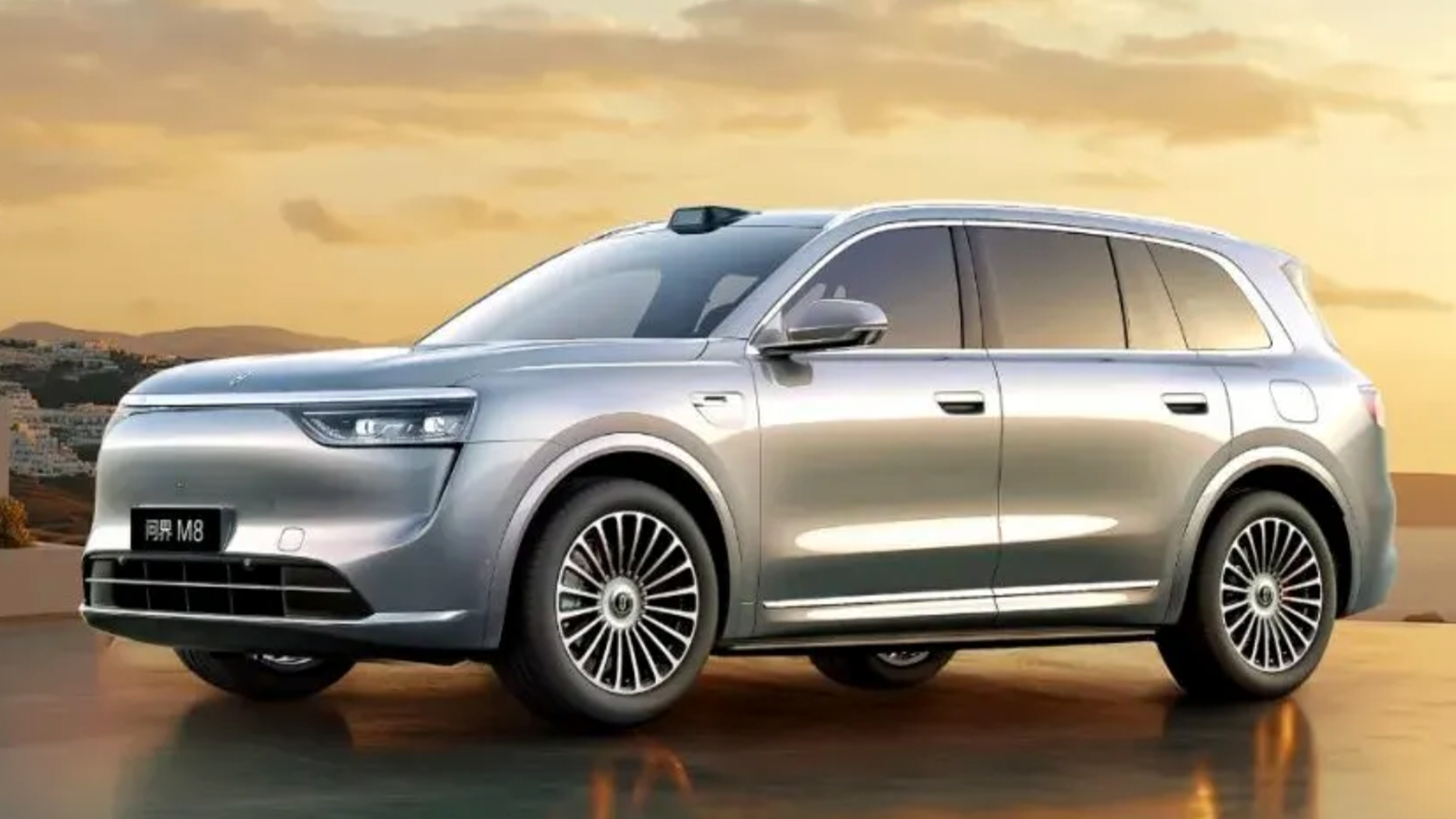
Automotive News identifies car parts as one of the core sectors involved, and one of the named companies is Changzhou Xingyu Automotive Lighting System. The company works with automakers including Volkswagen, Mercedes, and China’s Aito, according to the source. That detail hints at the kind of industrial capability Serbia may be trying to attract: suppliers already integrated into major vehicle programs rather than purely speculative entrants.
Vehicle lighting may seem like a narrow example, but it illustrates a wider shift in auto manufacturing. Parts suppliers increasingly operate at the intersection of hardware, electronics, software integration, and advanced production methods. As a result, a supplier investment story can also be an advanced manufacturing story.
Why AI and robotics belong in a transportation story
The inclusion of AI and robotics alongside car parts is what makes this investment package more consequential than a conventional supplier expansion. Transport manufacturing now depends heavily on automation, machine vision, flexible robotics, and data-intensive quality systems. AI also affects logistics planning, predictive maintenance, and product development cycles.
That means the sectors listed in the report are complementary, not separate. A regional base that attracts car-parts production may also become more valuable if it can support automation and intelligent manufacturing around that production. In practice, industrial competitiveness is increasingly built from exactly that combination.
What still is not known
The source does not provide a full breakdown of which firms are investing, how the $1.1 billion total is distributed, or what the exact project structures will be. It also does not say how much of the spending is aimed at greenfield construction versus expansion of existing activity. Those details will matter for judging the long-term significance of the package.
Still, the broad signal is strong enough to stand on its own. More than 20 firms are preparing to invest, the total value is substantial, and the sector mix links transportation manufacturing to AI and robotics. For Serbia, that combination supports the case for being treated as more than a low-cost assembly location. For the companies involved, it suggests a bet on a site that can support both industrial scale and technological upgrading.
In transportation terms, the story is less about any single vehicle launch than about the infrastructure of future vehicle production. Supply chains are being reorganized around where companies can build parts efficiently, automate effectively, and connect to larger markets. Serbia appears to be the next node in that map.
This article is based on reporting by Automotive News. Read the original article.
Originally published on autonews.com