Introduction to the Flight Dynamics Research Facility
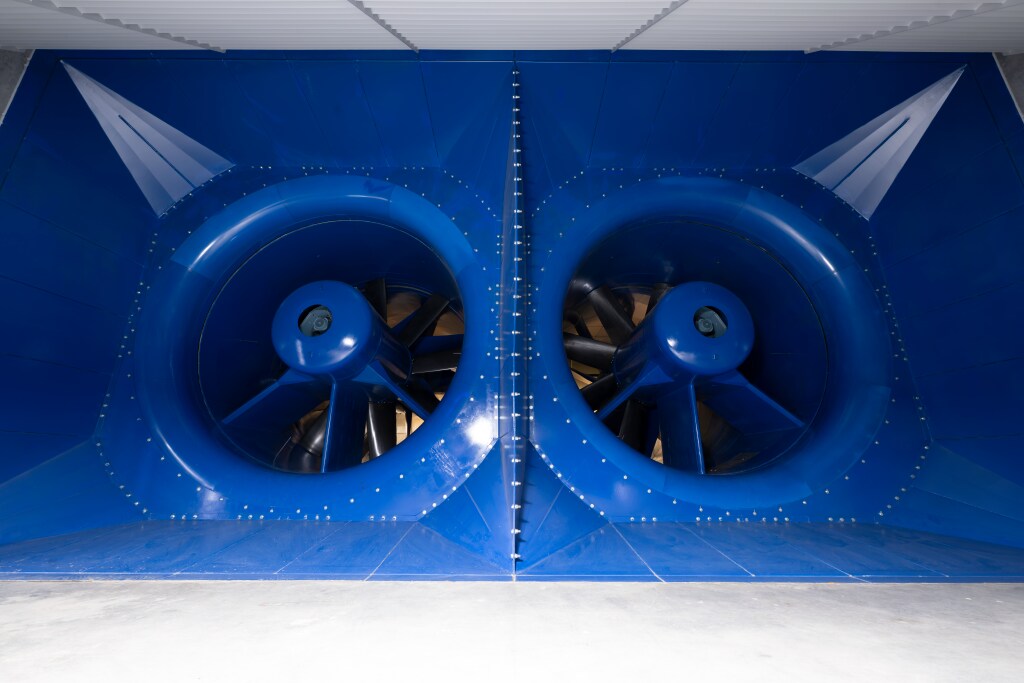
NASA has announced the characteristics of its new Flight Dynamics Research Facility (FDRF), a state-of-the-art subsonic wind tunnel designed to advance flight dynamics research. Located at NASA's Langley Research Center, the FDRF features a vertical test section that enables unique testing capabilities for stability, controllability, free-fall, aircraft spin, and spin recovery of atmospheric vehicles. This facility represents a significant leap forward in aeronautics research, providing researchers with a dedicated platform to explore complex flight behaviors in a controlled environment.
Key Specifications and Capabilities
The FDRF boasts impressive specifications that set it apart from other wind tunnels. Its test section measures 20 feet in diameter and 24 feet in height, providing ample space for a wide range of test articles. The facility can achieve speeds from 0 to 172 feet per second (0 to 117 mph), with dynamic pressure ranging from 0 to 35 pounds per square foot. The Reynolds number capability reaches up to 1.10×10^6 per foot, allowing for accurate simulation of subsonic flight conditions. The tunnel operates at atmospheric pressure and features active cooling to maintain a constant temperature of 79°F, ensuring consistent test conditions. The test gas is air, and the entire facility stands 131 feet tall, making it a prominent addition to NASA's aeronautics infrastructure.
Research Applications and Benefits
The primary purpose of the FDRF is to conduct flight dynamics research that directly impacts the safety and performance of atmospheric vehicles. By focusing on stability and controllability, the facility enables engineers to study how aircraft behave during maneuvers, especially in critical phases like spin and spin recovery. The vertical orientation of the test section is particularly advantageous for free-fall and spin testing, as it allows models to be oriented in realistic attitudes relative to the airflow. This capability is essential for developing and validating flight control systems, improving aircraft design, and enhancing pilot training for emergency scenarios.
Integration with NASA's Aerosciences Evaluation and Test Capabilities
The FDRF is part of NASA's broader Aerosciences Evaluation and Test Capabilities (AETC) portfolio, which includes a range of wind tunnels and testing facilities. This integration ensures that researchers can leverage complementary assets to address complex aerodynamic challenges. The FDRF's unique vertical test section complements other tunnels that focus on horizontal flow or high-speed conditions, providing a comprehensive toolkit for aeronautics research. The facility is expected to support both NASA missions and external collaborations with industry, academia, and other government agencies.

Future Impact on Aviation and Space Exploration
While the FDRF is designed for atmospheric vehicles, its research outcomes have broader implications for aviation and space exploration. Improved understanding of spin dynamics and recovery techniques can lead to safer aircraft designs and better training protocols for pilots. Additionally, the facility's capabilities may support the development of advanced air mobility vehicles, such as electric vertical takeoff and landing (eVTOL) aircraft, which require precise control in low-speed regimes. As NASA continues to push the boundaries of aeronautics, the FDRF will play a crucial role in validating new technologies and ensuring the safety of future flight systems.
Conclusion
The Flight Dynamics Research Facility marks a milestone in NASA's commitment to advancing aeronautics research. With its large vertical test section and comprehensive capabilities, the FDRF provides a unique platform for studying flight dynamics that directly enhance aircraft safety and performance. As researchers begin utilizing this facility, the insights gained will contribute to the next generation of atmospheric vehicles, benefiting both commercial and military aviation. The FDRF stands as a testament to NASA's dedication to innovation and excellence in the field of aerosciences.
This article is based on reporting by NASA. Read the original article.

Originally published on nasa.gov